The jar or container program is known
Opening diameter, container geometry, filled product, blowing process and handling requirements can be documented.
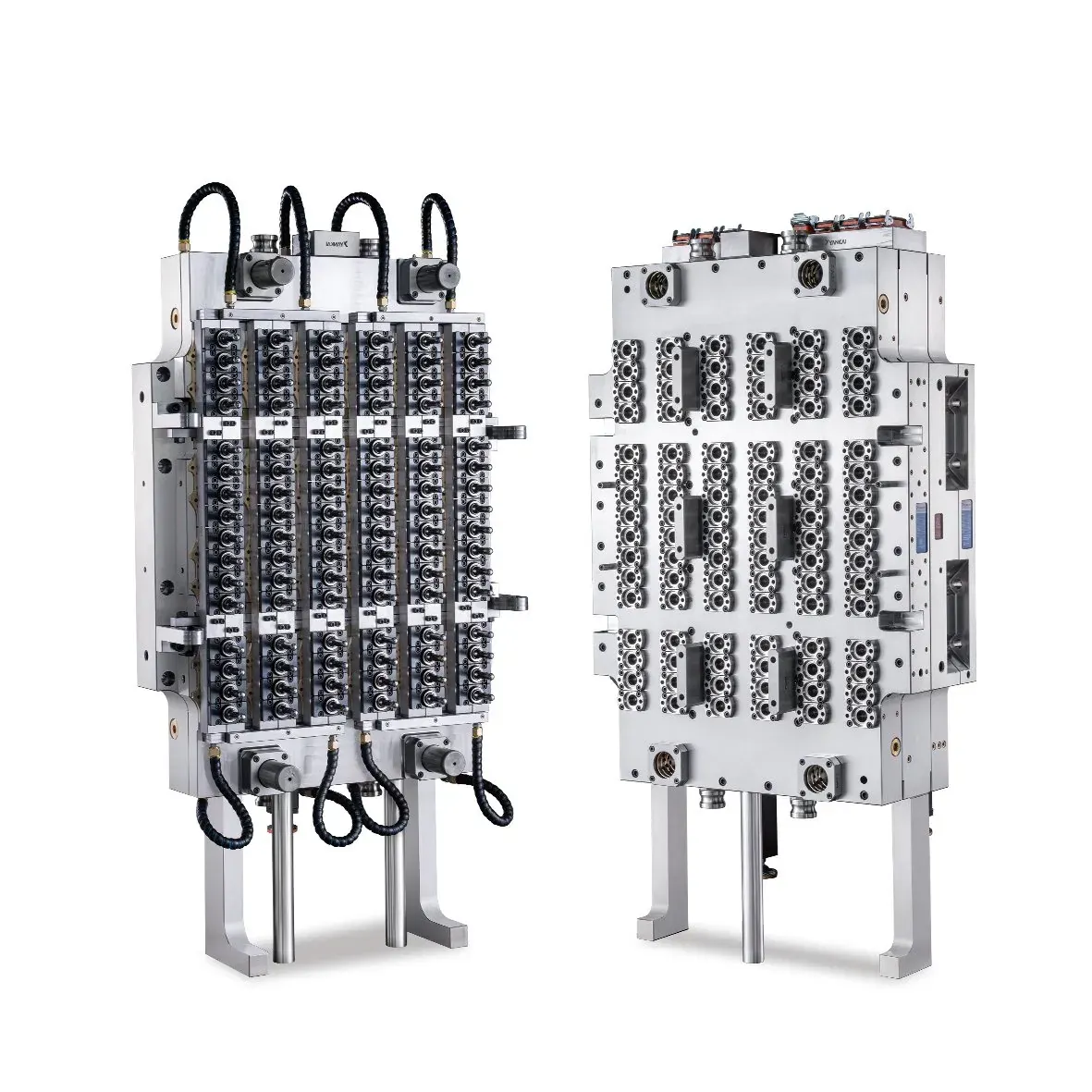
Wide-mouth PET jar program
Freeze the jar opening and lid system before fixing the neck stack or cavity count.
A PET jar preform mold for wide-mouth containers starts with the approved jar, preform and lid system. This PET jar preform mould and wide mouth preform mold review covers the neck-ring geometry, cavity spacing, part shot and cooling that distinguish a wide neck PET preform mold or another PET container preform mold from a narrow-neck bottle program.
The photograph shows a real wide-mouth PET preform mold. The approved jar, preform and lid drawings define the final neck stack, cavity spacing and acceptance basis.
Opening
Drawing-defined wide mouth
Closure
Lid and seal reviewed together
Layout
Neck geometry affects spacing
Cavity
Open until machine review
Application fit
A strong application match exists when the opening and closure geometry are the main source of mold and machine questions.
Opening diameter, container geometry, filled product, blowing process and handling requirements can be documented.
Cap or lid drawings and samples define thread, seal, tamper and support interfaces.
The buyer wants a realistic range based on weight, mouth geometry, mold layout, machine and output instead of a catalog number.
Part program
This application review connects the buyer's container, preform, closure, production and equipment information to a focused mold proposal. Approved drawings and samples finalize the geometry, interfaces and acceptance basis.
View imageJar or container
Approved application, capacity, opening and container drawing
Preform
Approved wide-mouth preform drawing, weight, resin and sample
Lid system
Cap or lid drawing, physical sample, liner or sealing method
Neck detail
Thread, seal, support or transfer features and required inspection dimensions
Cavity layout
Set from neck diameter, stack geometry, cooling, mold envelope and service access
Equipment
Exact injection and blowing machines plus take-out and handling
Validation
Closure fit, seal and finished-container checks with named responsibility
Product-specific priorities
These priorities connect the part, cavity choice, machine fit and acceptance method to one application-specific proposal.
01
The complete neck drawing defines thread, seal, support features, neck-ring split, component geometry and closure compatibility.
02
Compare the proposed layout and mold envelope instead of reusing the cavity count from a narrow-neck beverage preform.
03
Use the approved lid or cap, liner and container sample to define fit, torque, sealing or leakage checks that actually apply.
04
Wide-mouth geometry can change shot, cooling, opening, handling, reheating and blowing feasibility across the complete system.
Mold, cavity and machine
Keep cavity count open until the approved wide-mouth part and proposed mold layout are checked against the exact machine. The larger neck can reduce realistic cavity density even when the target output is high.
Use the approved cap or lid and neck drawing to define the sealing surface, thread, support and tamper features. Detailed dimensions and tolerances in controlled project documents turn the nominal diameter into a complete neck-ring and core specification.
Larger neck components and spacing can increase mold dimensions even when the preform body is relatively light. Compare cavity layouts using the proposed mold envelope, tie-bar and platen data, opening movement and service access, with a cavity calculation tailored to the wide-neck geometry.
Agree preform checks and traceable cavity samples, then allocate downstream blowing, closure fit, sealing and container tests. The mold supplier, bottle developer and buyer may own different parts of the validation, and the quotation should make those boundaries visible.
Keep cavity count open until the approved wide-mouth part and proposed mold layout are checked against the exact machine. The larger neck can reduce realistic cavity density even when the target output is high.
Compare Cavity OptionsApproved wide-mouth part shot and plasticizing
Neck diameter, cavity spacing and mold envelope
Opening, take-out and preform handling clearance
Blowing equipment plus lid and sealing validation
| Decision factor | What to check | Why it changes the project |
|---|---|---|
| Opening geometry | Approved neck drawing, diameter, thread, support ring, seal and tamper features | Defines core and neck-ring components and avoids designing from a simple nominal size. |
| Closure and line | Cap or lid drawing, controlled sample, sealing requirement and downstream equipment | Confirms that the molded neck can work with the actual closure and production line. |
| Part and shot | Preform weight, resin, wall distribution and total shot by candidate cavity count | Determines injection, plasticizing and cooling demand for the wider geometry. |
| Mold layout | Neck-ring arrangement, cavity spacing, mold envelope, opening and service access | A larger opening can reduce the cavity density possible on the intended machine. |
| Container validation | Preform trial, blowing sample, cap fit, seal and agreed jar or container tests | Connects mold acceptance to the approved wide-mouth packaging system. |
Trial and acceptance
The sample plan follows the approved part and application. Traceable samples, recorded test conditions and agreed inspection methods turn life, cycle and quality goals into a clear acceptance path.
Use the approved neck drawing and traceable cavity samples for the agreed dimensional checks.
Check the actual cap, lid or liner under the project-specific closure method and condition.
Record machine, resin, cooling and cycle conditions together with the agreed sample coverage.
When included, assign blowing, closure, leakage and container-test responsibility before the mold trial.
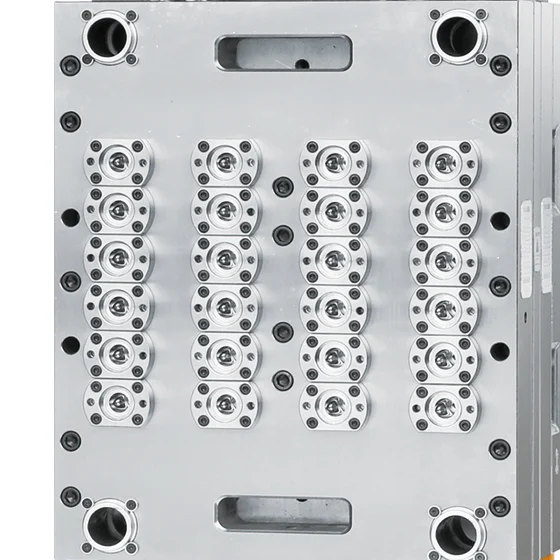 View image
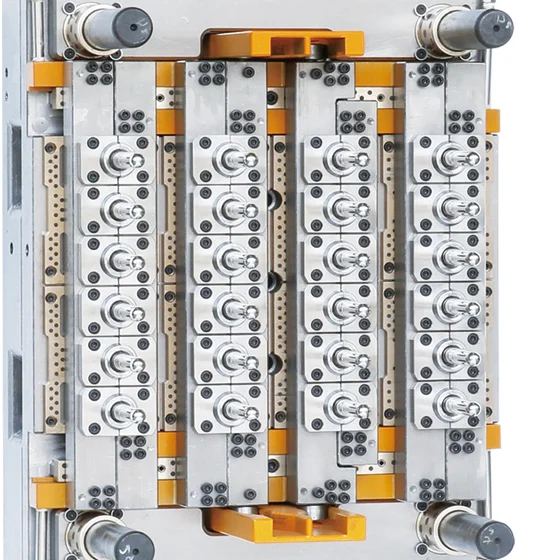 View image
Detailed thread and interface geometry create the required closure fit and sealing basis.
Larger neck components and service spacing establish a layout tailored to the wide opening.
Named responsibility connects preform, blowing, cap fit and sealing approval across suppliers.
Application RFQ
Send the wide-mouth container, preform and closure package together. Ask for a cavity layout and machine-fit review based on the exact opening geometry.
What happens next
Buyer questions
The answers define the decision method. Exact material, performance, cavity and acceptance values remain tied to the approved project.
The larger neck-ring and core geometry can require more cavity spacing, a larger mold envelope, different opening movement and greater total shot or cooling demand.
Provide the mouth diameter together with detailed neck and closure drawings or controlled samples, including thread, seal, support and tamper interfaces, plus the preform and machine data.
Define preform checks, downstream blowing samples, cap or lid fit, sealing and any container tests required by the approved packaging program, with responsible owners.
Use genuine wide-mouth preforms, matching closures and finished jars or containers, plus controlled drawings, cap-fit evidence and the assigned responsibility for downstream validation.
Next decision
Core decision
PET Preform Mold for Bottle ProductionCore decision
PET Preform Mold ApplicationsApplication decision
5 Gallon Preform MoldApplication decision
Oil Bottle Preform MoldTechnical decision
PET Preform Mold Neck Finish OptionsTechnical decision
Mold Compatibility with PET Preform Injection MachinesCore decision
PET Preform Mold Quotation