The large-container program is defined
Bottle, preform, neck, cap, blowing process and handling requirements are available for review.
Large-container preform program
Match the heavy part, exact injection unit and handling system before choosing a cavity count.
A five-gallon preform is a large, heavy molded part. Shot size, plasticizing, thick-wall cooling, mold opening, part take-out and the blowing system create a dedicated large-preform cavity and machine configuration.
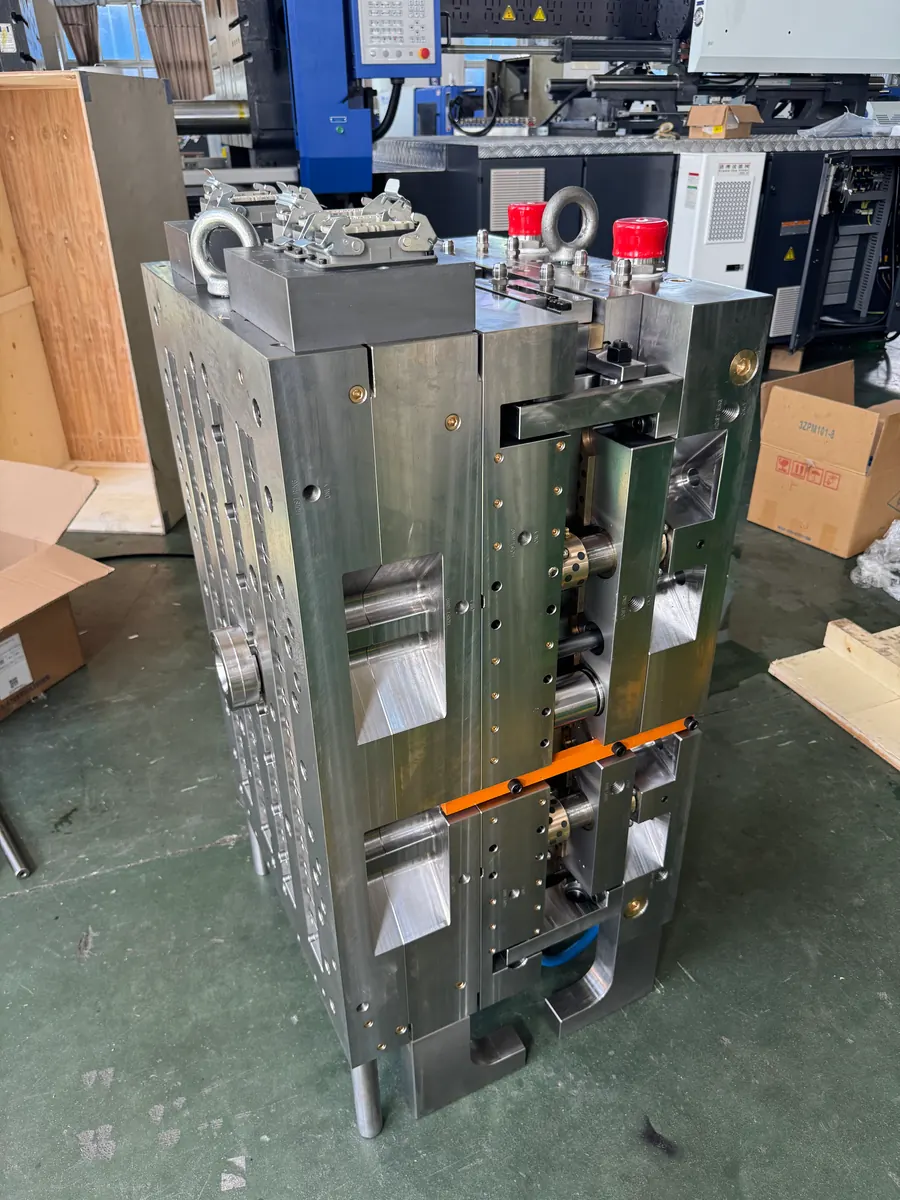
The photograph shows a real production mold in the workshop. Large-container projects use the same physical construction review while the approved heavy preform and exact machine control cavity feasibility.
Part
Large and heavy preform
First check
Exact injection unit
Cavity
Kept open until calculation
Process
Cooling, take-out and blowing
Application fit
A strong application match exists when large part weight and machine feasibility dominate the buying decision.
Bottle, preform, neck, cap, blowing process and handling requirements are available for review.
Shot, plasticizing, mold dimensions, stroke, cooling, controls and take-out can be checked against the heavy part.
The buyer accepts that part weight and cooling can produce a different cavity and cycle direction from lightweight bottle programs.
Part program
This application review connects the buyer's container, preform, closure, production and equipment information to a focused mold proposal. Approved drawings and samples finalize the geometry, interfaces and acceptance basis.
View imageContainer
Approved five-gallon bottle drawing, use condition and bottle-performance requirements
Preform
Approved drawing, actual weight, resin, color and sample status
Neck and cap
Detailed neck drawing and the approved closure or cap sample
Injection unit
Exact screw, shot capacity, pressure and plasticizing data
Mold movement
Platen, tie bars, mold height, opening stroke, take-out and safe handling
Cooling
Available water temperature, pressure, flow and thick-wall cooling basis
Blowing line
Machine, heating, transfer, bottle test and sample responsibility
Product-specific priorities
These priorities connect the part, cavity choice, machine fit and acceptance method to one application-specific proposal.
01
Use the approved large-preform weight multiplied by cavities to establish injection volume, plasticizing recovery and the supported machine platform.
02
A low-cavity layout can deliver the best balance of shot capacity, cooling, mold envelope and handling for a heavy part. The recommended count is calculated for the approved project.
03
Part geometry, resin, circuit design and the plant's actual water condition establish the achievable cycle and quality window.
04
Review large-preform transfer, safe removal, reheating and blowing equipment before the mold interface is frozen.
Mold, cavity and machine
Keep cavity count open until the approved heavy-preform weight, required output and exact injection machine are available. A lower cavity direction can be technically and commercially correct, with the comparison tailored to the heavy preform rather than a small-preform template.
Multiply the approved preform weight by each candidate cavity count and add the process margin defined by the responsible technical team. Then check injection and plasticizing data to focus the comparison on supported high-cavity options.
Large preform molds and parts can require careful review of tie-bar clearance, platen, mold height, opening stroke, take-out and operator access. Ask for the proposed mold envelope and movement data before approving a machine-fit conclusion or factory layout.
The preform mold trial can produce and inspect preforms, but finished large-container performance depends on the approved blowing and bottle-test process. State whether sample blowing, cap fit, bottle handling or other tests are included and who approves the results.
Keep cavity count open until the approved heavy-preform weight, required output and exact injection machine are available. A lower cavity direction can be technically and commercially correct, with the comparison tailored to the heavy preform rather than a small-preform template.
Compare Cavity OptionsApproved heavy-part shot and process allowance
Screw recovery and plasticizing for the required cycle
Mold height, daylight, opening, take-out and safe handling
Thick-wall cooling, preform transfer and blowing-line fit
| Decision factor | What to check | Why it changes the project |
|---|---|---|
| Large preform | Approved drawing, weight, resin, wall distribution and neck | Defines the heavy molded part and the basis for every machine and cavity calculation. |
| Injection unit | Shot capacity, plasticizing, screw and process suitability for the project resin and total shot | Determines whether the intended machine can repeatedly prepare and inject the required material. |
| Mold envelope | Platen, tie bars, mounting, mold height, opening stroke, ejection and take-out | Large components and movement can create physical constraints even at a low cavity count. |
| Cooling and utilities | Circuit concept, plant water conditions, connections and heat-removal capacity | Heavy parts make cooling and plant utility assumptions central to the production basis. |
| Downstream samples | Preform handling, blowing trials, large bottle checks and responsibility | Links mold acceptance to the actual five-gallon container program. |
Trial and acceptance
The sample plan follows the approved part and application. Traceable samples, recorded test conditions and agreed inspection methods turn life, cycle and quality goals into a clear acceptance path.
Verify normal filling and molding under the agreed machine, resin and cooling conditions.
Use identified samples for drawing-based part, closure and gate checks.
Demonstrate safe ejection or take-out and compatibility with the agreed downstream handling method.
When included, state the blowing machine, bottle sample, checks and responsibility before trial.
 View image
 View image
Heavy total shot, cooling and mold size establish a realistic cavity range for the large part.
Review shot capacity together with physical movement and the handling arrangement.
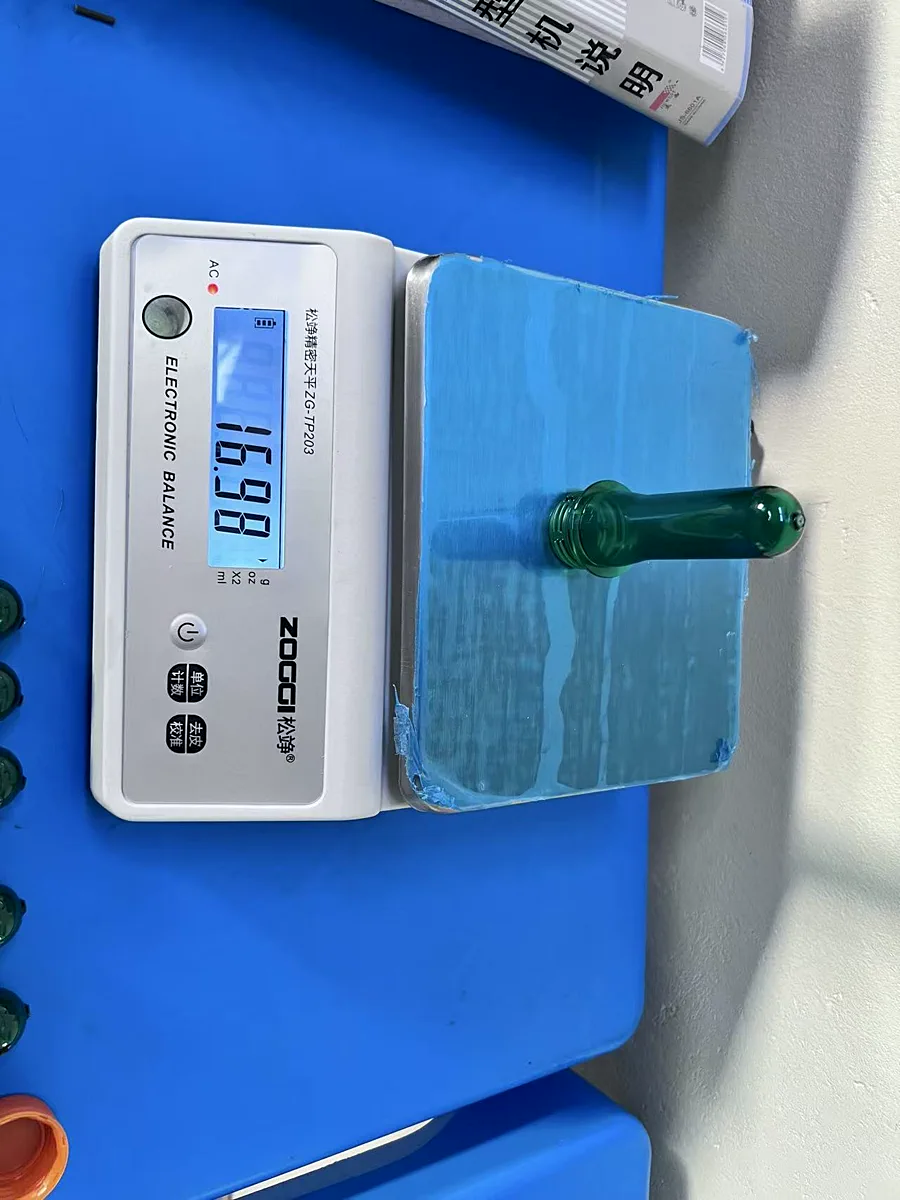
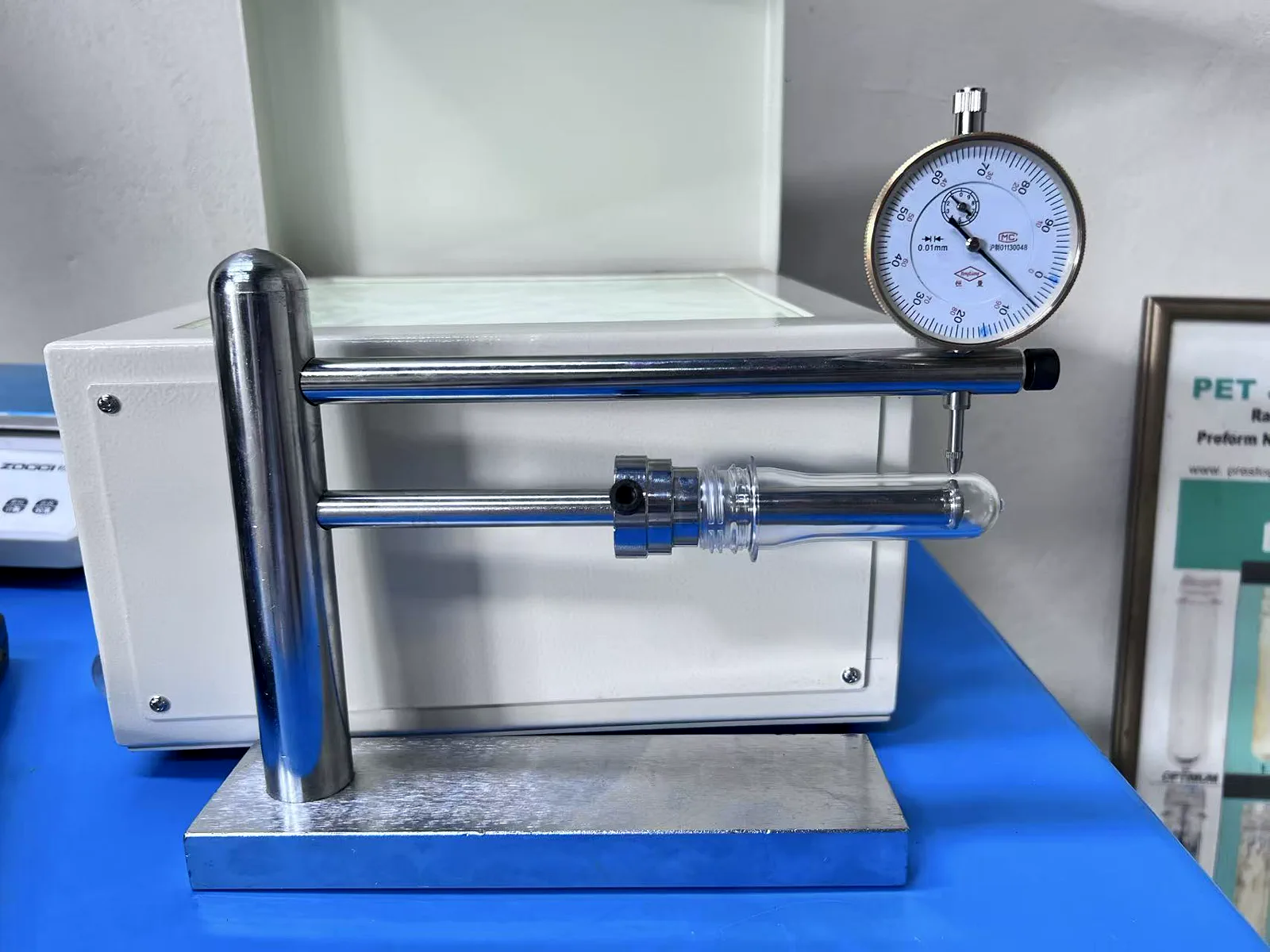
Finished five-gallon container tests follow the agreed blowing and validation process.
Application RFQ
Send the heavy preform and exact machine first. Ask for a feasibility review of shot, envelope, cooling, opening and realistic cavity range before requesting final price.
What happens next
Buyer questions
The answers define the decision method. Exact material, performance, cavity and acceptance values remain tied to the approved project.
The heavy part can create high total shot, plasticizing, cooling, mold-size and opening demands. Calculate the realistic count from the exact preform and machine.
Provide injection and plasticizing data, platen and tie-bar dimensions, mold-height range, opening stroke, mounting, controls, cooling utilities and take-out information.
A sample can begin the review, but final quotation needs controlled preform and neck data, weight, resin, output, machine and the responsibility for developing or approving drawings.
Request genuine large preforms, an applicable mold and machine-fit view, relevant bottle and closure samples, plus verified shot, envelope, cooling and trial information.
Next decision
Core decision
PET Preform Mold for Bottle ProductionCore decision
PET Preform Mold ApplicationsApplication decision
PET Jar and Wide Mouth Preform MoldTechnical decision
Mold Compatibility with PET Preform Injection MachinesTechnical decision
PET Preform Mold Neck Finish OptionsCore decision
PET Preform Mold Cavity OptionsCore decision
PET Preform Mold Quotation