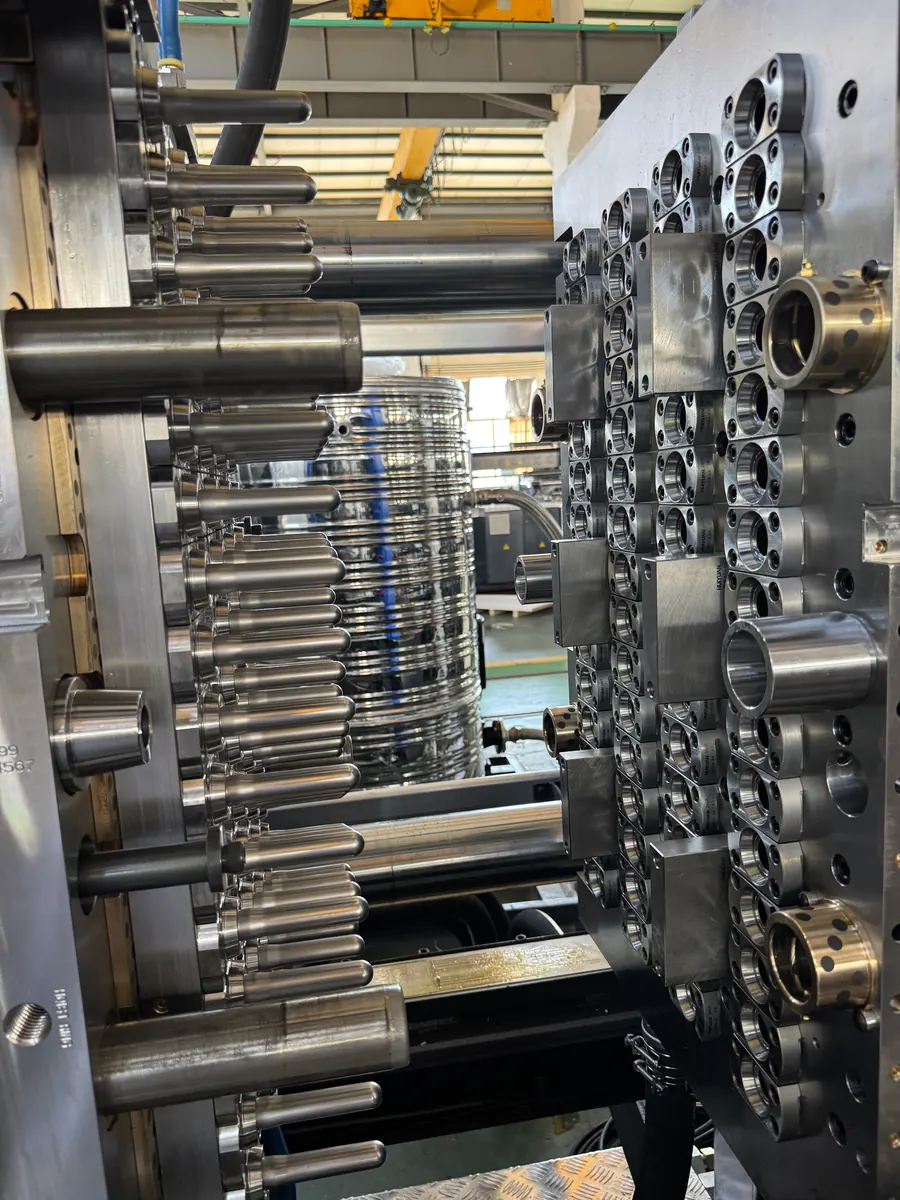
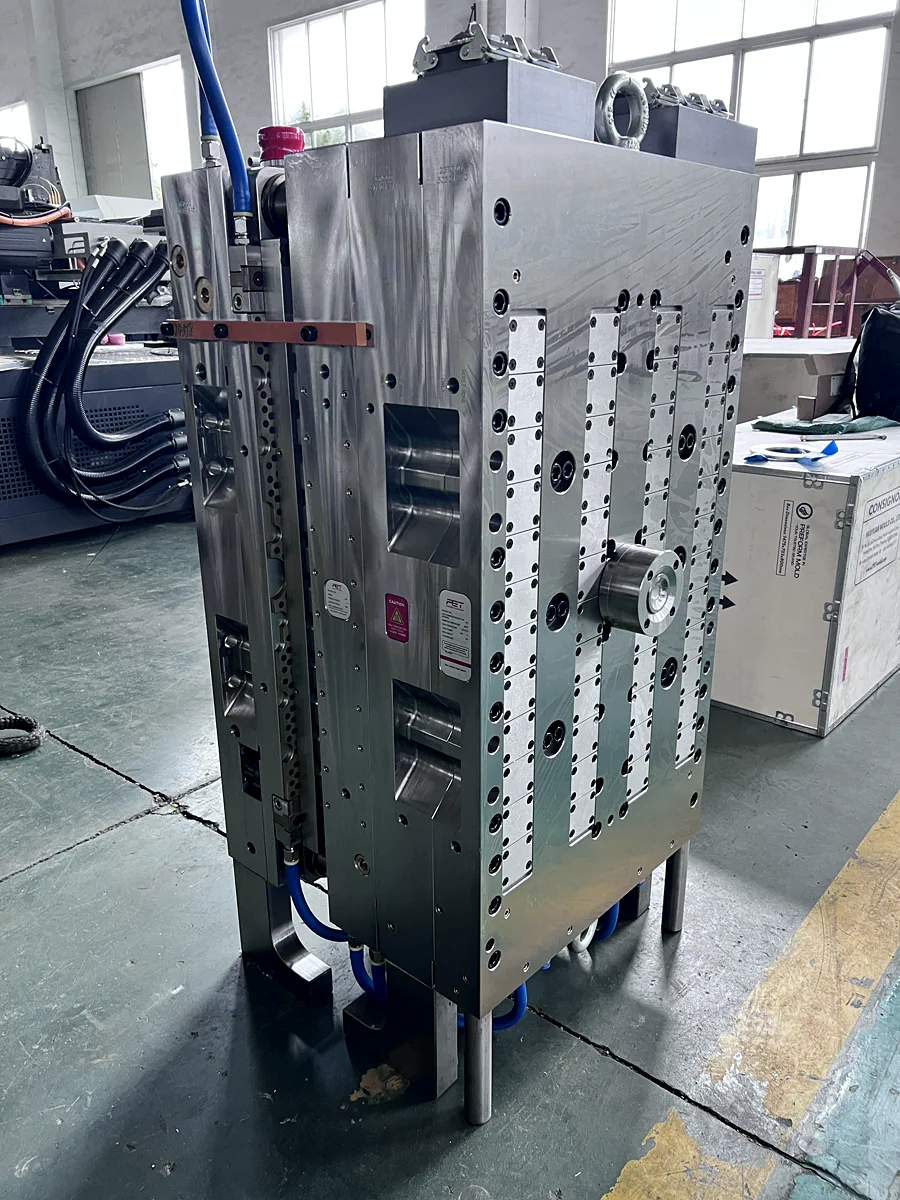
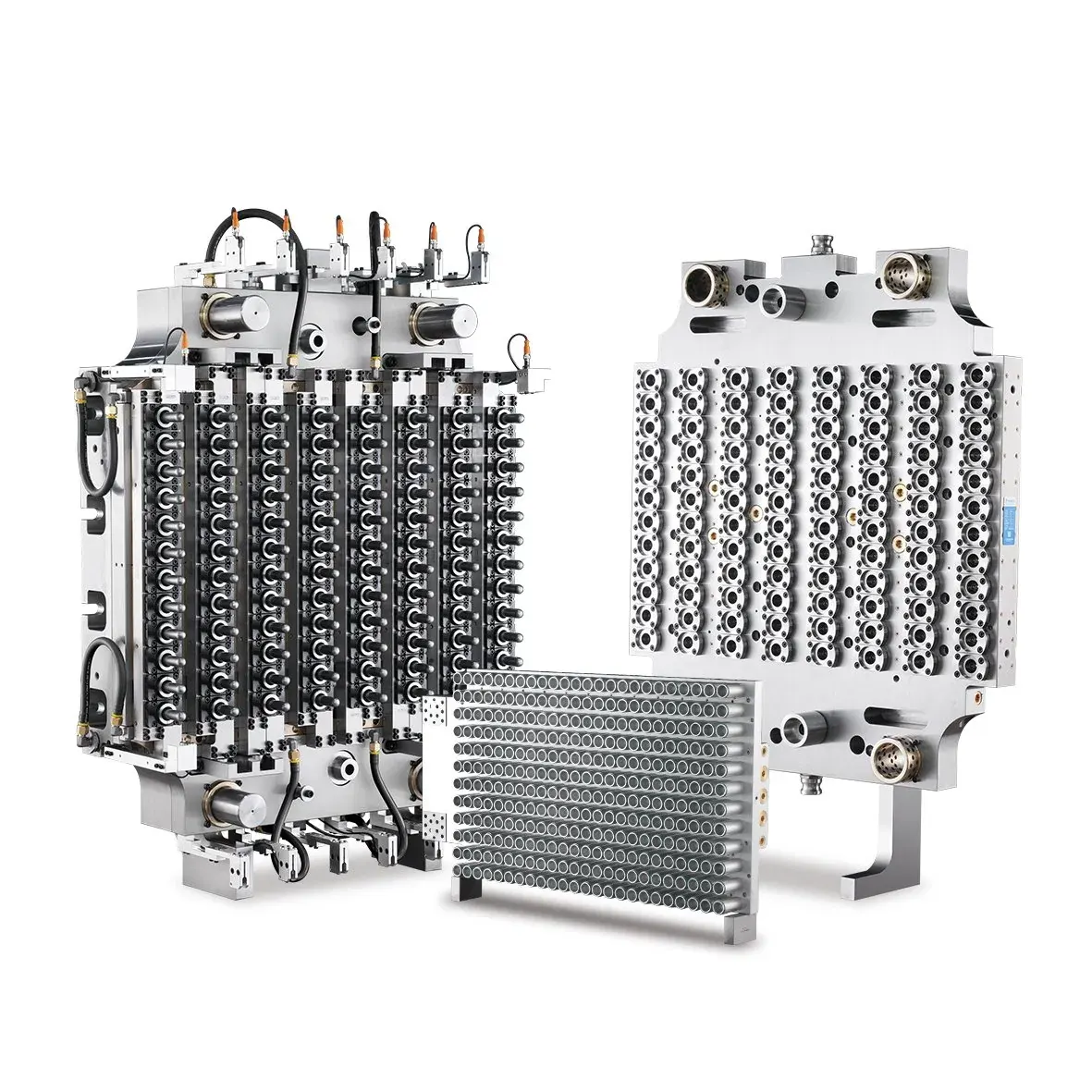
What information is required for a PET preform mold quotation?+
Start with the preform drawing or sample details, bottle application, preform weight, neck finish, preferred cavity count, injection-machine model, target output and destination country. Available items establish the first review, and remaining items are organized into a focused project checklist.
How should PET preform mold cavity count be selected?+
Compare target output, operating hours, confirmed preform weight, machine capacity, mold envelope, cooling, hot-runner complexity, maintenance resources and investment. A higher cavity number is useful only when the plant and demand can support it. Review neighboring options on the same assumptions before choosing.
Why can two PET preform mold quotations differ significantly?+
The quotes may use different component materials, hot-runner and valve-gate scope, control systems, spare parts, trial obligations, documentation, packing, delivery basis or warranty boundaries. Normalize those items before treating the total price as a like-for-like comparison.
What machine data is needed for mold compatibility review?+
Provide the machine model and technical sheet showing platen and tie-bar space, mold-height range, opening stroke, injection-unit capacity, hot-runner controller information, utility connections and take-out arrangement. The final review uses the proposed mold drawing and the actual machine specification.
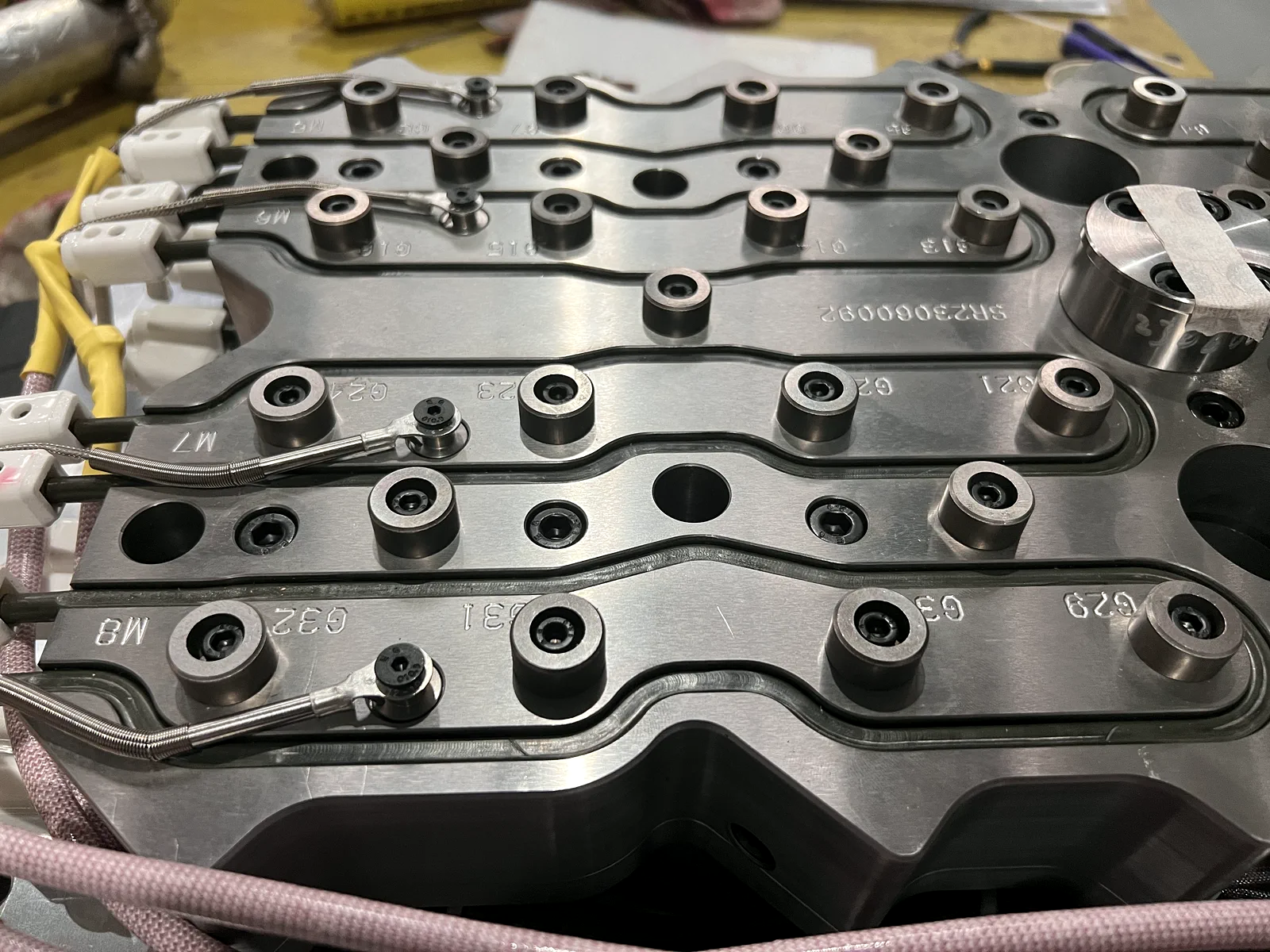
What should the hot runner and valve gate specification include?+
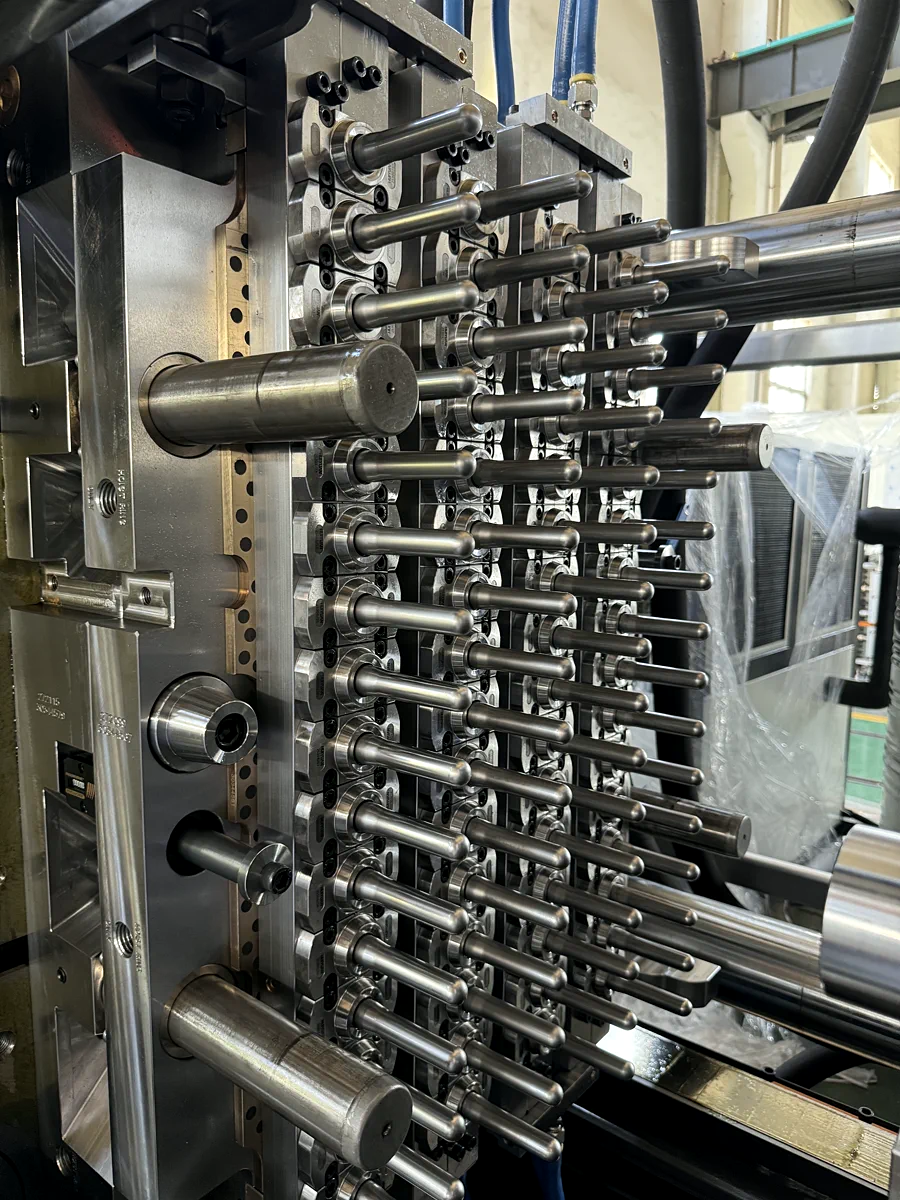
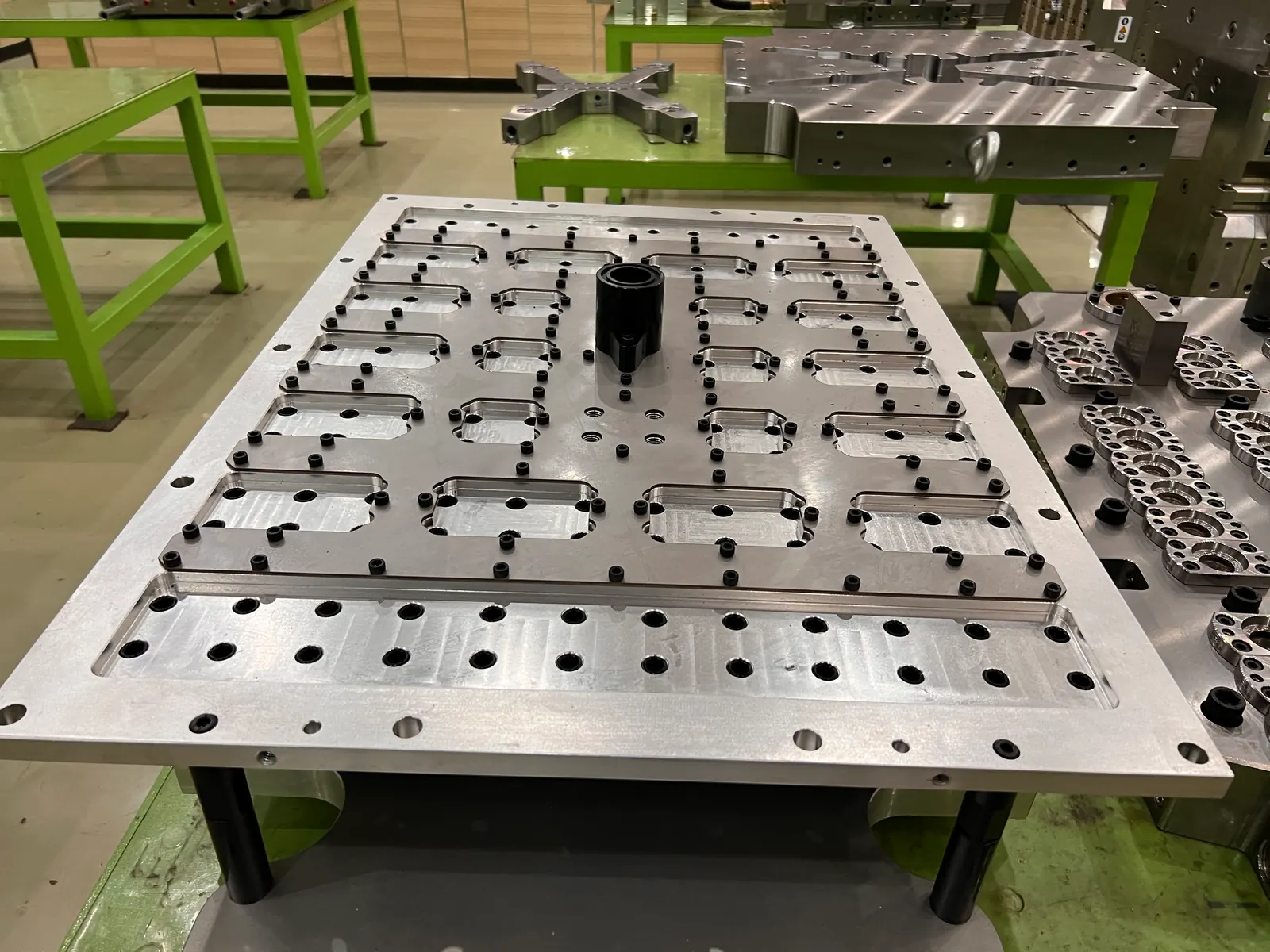
Specify the manifold and nozzle configuration, heater and thermocouple zones, actuation method, connectors, controller requirement, maintenance access, included electrical and wear spares, and the trial checks used to review filling and gate condition.
What evidence should be agreed before PET preform mold shipment?+
Agree the approved drawing and trial basis, sample quantity, appearance checks, project-specific dimensions, weight and cavity sampling method, trial images or video, measurement record, component and spare-parts list, documentation, preservation, packing list and crate condition. The commercial agreement should define final acceptance.