01
Definition revision
Every supplier must reference the same drawing revision, weight, neck and cavity target.

PET preform mold price
Why do PET preform mold prices differ, and which quotation is actually complete?
A PET preform mold price cannot be evaluated without the part definition, cavity count, machine platform and supply boundary behind it. This page helps a buyer turn a price request into a comparable quotation: identify the cost drivers, expose exclusions, separate optional upgrades, agree the trial and acceptance basis, and understand which missing inputs can materially change the final commercial offer.
Price by real specifications
Quote by drawing/specs
Compare steel and hot runner scope
Complete RFQ checklist
Enough information to start
Technical decision table
Keep the check, its reason and the resulting project decision visible in the same review. This prevents one keyword or one headline specification from replacing the technical basis.
| Decision factor | What to check | Why it changes the project |
|---|---|---|
| Cavity count | 24, 32, 48, 64, 72 or 96 cavities | Cavity changes mold size, component quantity, hot-runner complexity, cooling demand, machine requirement and trial scope. |
| Preform and neck | Drawing, weight, neck finish, resin and application | The molded part determines insert geometry, shot requirement, cooling load and inspection items. |
| Hot runner | Manifold, nozzles, valve gate, actuation, heaters, zones and controls | Different runner and control boundaries can create a large price difference while both quotations simply say hot runner. |
| Mold components | Materials, treatments, replaceable parts, purchased components and interchangeability | A useful quote names what is supplied and which wear or service parts are included. |
| Trial and delivery | Trial basis, samples, evidence, spares, documents, packing and Incoterm | Commercial totals are not comparable until post-build obligations and delivery boundaries match. |
Decision analysis
Configuration covers the molded part, cavity, mold architecture, runner, controls and interfaces. Commercial scope covers trial material, sample delivery, spare parts, documents, packing and shipment basis. Keep both visible so a price reduction can be traced to a real change instead of an unnoticed omission.
A budgetary range may use stated assumptions when drawings or machine data are incomplete. Those assumptions should be listed beside the range and replaced before order. Otherwise the buyer may treat a preliminary number as fixed while the supplier later discovers a different shot, mold size or control requirement.
The purchase decision should consider maintenance access, heater and thermocouple replacement, valve-gate service parts, insert replaceability, controller compatibility and local support needs. Do not publish a universal payback claim; compare the costs and risks that are specific to the plant's operating plan.
Quote control
01
Every supplier must reference the same drawing revision, weight, neck and cavity target.
02
Compare controller, cables, connectors, actuators, purchased components and service tools.
03
Compare sample quantity, measurement items, visual checks, trial record and corrective-action responsibility.
04
Clarify packing, freight basis, insurance, duties, local installation and items supplied by the buyer.
Evidence
Captions state exactly what each image can support. Final configuration, performance and acceptance still belong to the project drawing, quotation and trial record.

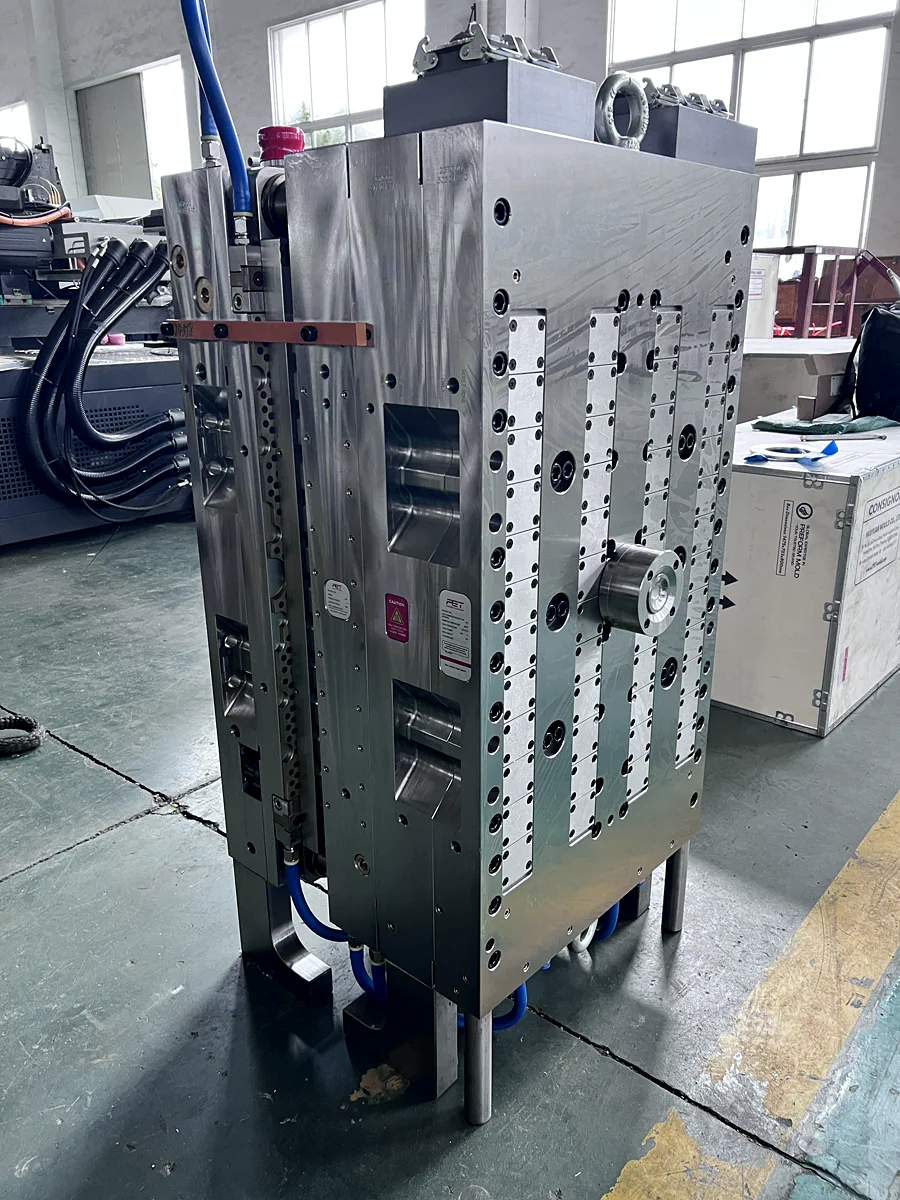
The real cavity-side photograph makes inserts, alignment components, mold plates and service access visible for a more complete price comparison.

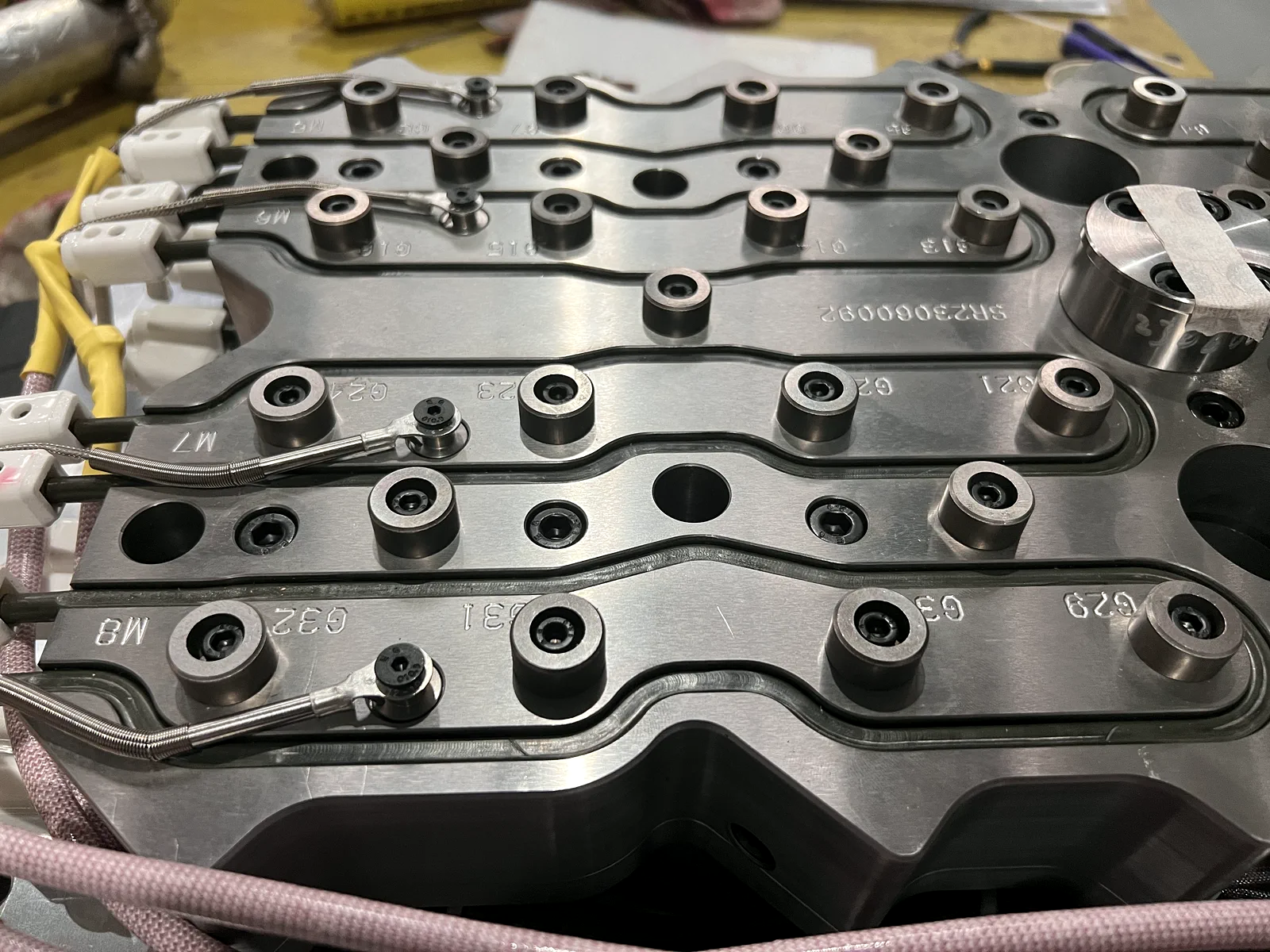
The real manifold photograph supports a direct review of heater zones, sensors, flow paths, connections and the spare-parts scope.

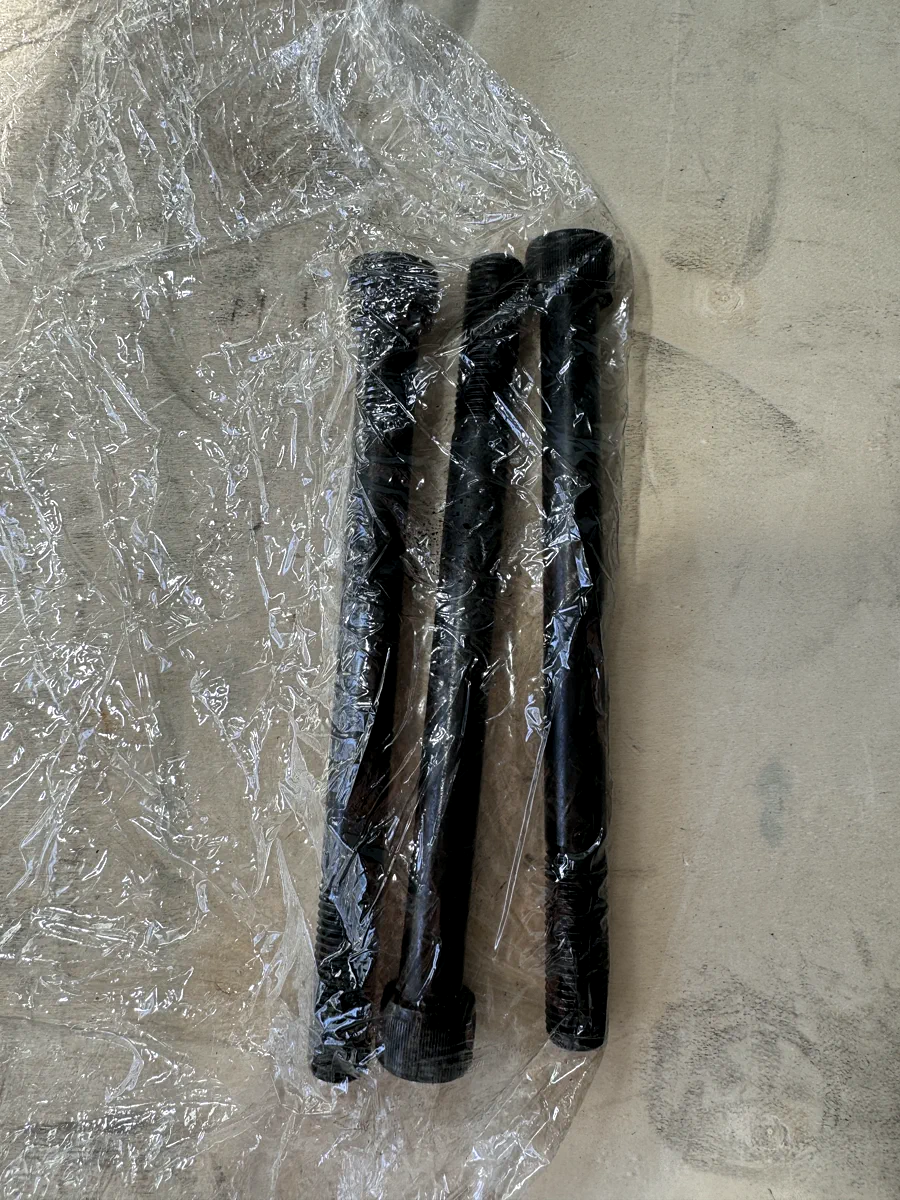
Valve pin spare set prepared for maintenance and replacement planning.

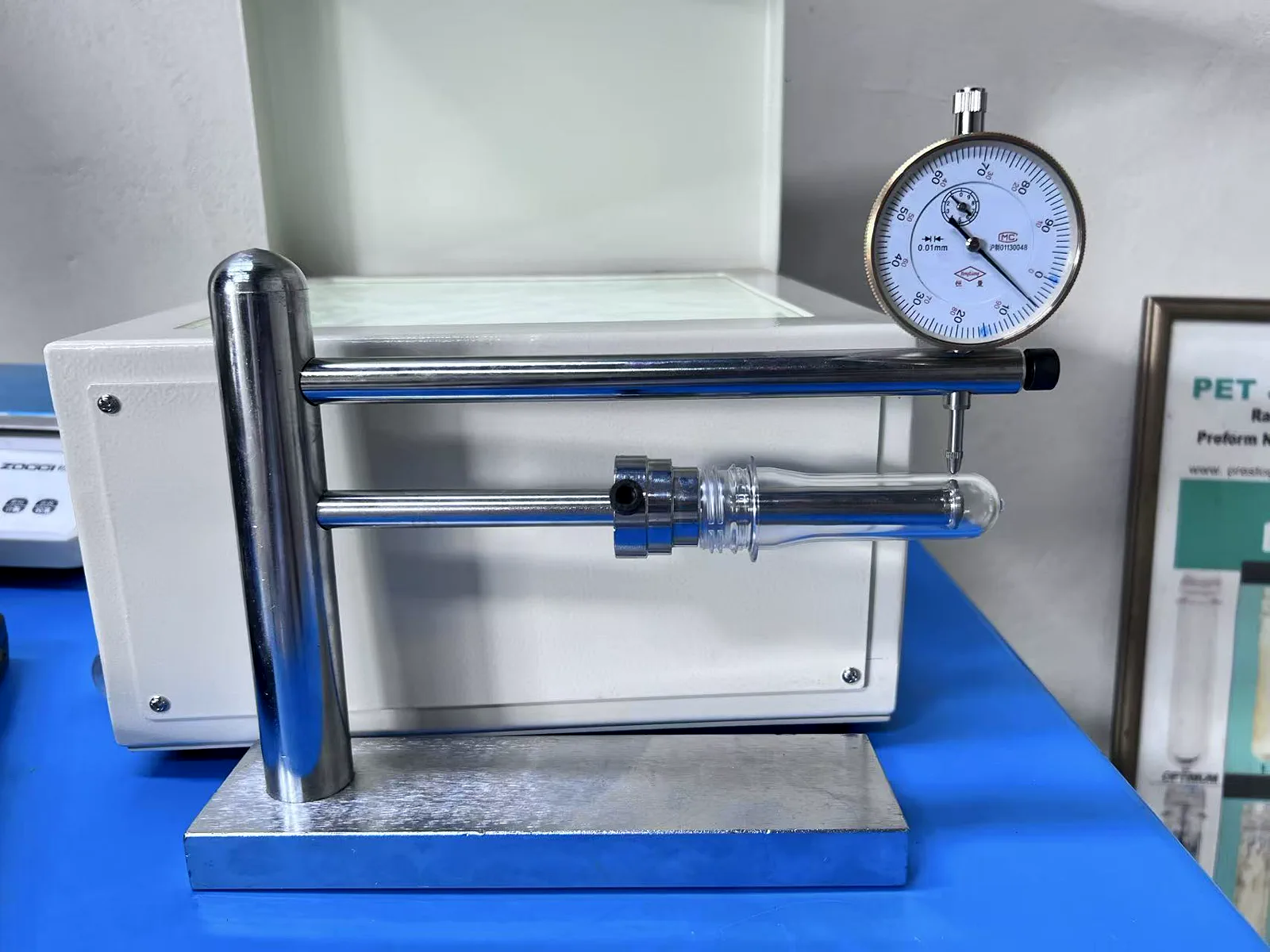
Dial-gauge inspection used to check a trial preform against the agreed sample.
Decision risks
01
Controller, spares, trial material, documentation or export packing may sit outside the advertised total.
02
Comparing a 48-cavity preliminary concept with a fully checked 32-cavity proposal is not a valid price comparison.
03
A quotation should explain how drawing changes, resin changes, additional trials and buyer-requested scope changes are handled.
Page-specific RFQ
For a useful price, send the smallest set of inputs that fixes the part, cavity direction, machine and delivery boundary. A missing item can remain an explicit assumption.
Buyer questions
The molded part, cavity count, runner and control system, machine interface, component scope, trial obligation, spares, packing and delivery basis all change the deliverable. A list price would hide those differences.
Provide the application, approximate preform weight, neck finish, cavity or output target, machine model and destination. The response should label every assumption that still needs confirmation.
Check whether it names the hot-runner and controller scope, component materials, spares, trial and samples, documentation, packing, delivery basis and exclusions. Missing detail is a comparison risk.
First normalize the technical deliverable, then choose one commercial basis. Landed evaluation may also include freight, insurance, duties, local handling, installation needs and spare-parts exposure.
Next decision
Core decision
Core decision
Core decision
Technical decision
Core decision
Technical decision