The beverage category is known
The buyer can state whether the product is still, carbonated, juice, tea or another program and identify relevant filling conditions.
Beverage performance program
Define the drink and filling condition before treating the preform as a beverage part.
A beverage bottle preform mold program starts with the drink and filling condition. Still drinks, carbonated beverages, juice and tea each receive an application-specific basis linking pressure, fill temperature, bottle performance, closure and downstream validation to the proposed preform and mold.
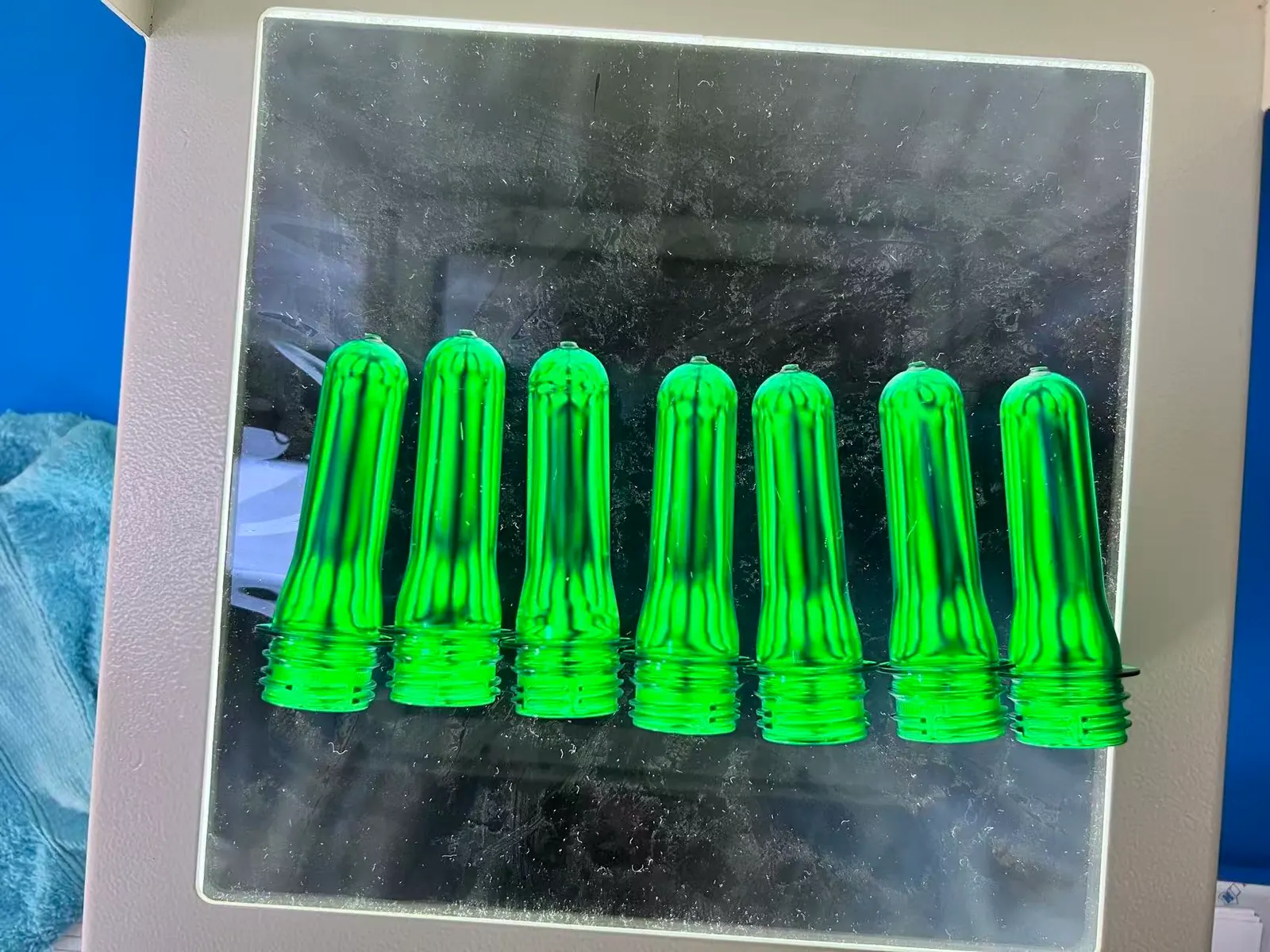
The photograph shows real PET preforms under polarized-light inspection. The project proposal connects this inspection work to the approved beverage, filling and bottle-validation program.
First input
Drink and filling condition
Bottle duty
Still, pressure or heat exposure
Closure
Neck and cap system
Validation
Preform plus blown bottle
Application fit
A strong application match exists when the filled beverage and filling process change the preform, closure or bottle-validation questions.
The buyer can state whether the product is still, carbonated, juice, tea or another program and identify relevant filling conditions.
Pressure, heat, storage, handling and appearance requirements are reflected in the approved bottle and preform definition.
The cap, sealing, tamper band and neck drawing are treated as a system instead of relying only on a nominal diameter.
Part program
This application review connects the buyer's container, preform, closure, production and equipment information to a focused mold proposal. Approved drawings and samples finalize the geometry, interfaces and acceptance basis.
View imageBeverage
Still drink, carbonated soft drink, juice, tea or another defined product
Filling basis
Filling temperature, carbonation or pressure condition, storage and distribution assumptions
Bottle
Approved capacity, drawing, base design and required bottle-performance checks
Preform
Approved drawing, weight, wall distribution and PET resin basis
Neck and closure
Approved neck, cap, sealing and tamper-evidence system
Blowing process
Blowing machine and the agreed bottle-validation responsibility
Production
Required output, cavity direction and exact injection-machine platform
Product-specific priorities
These priorities connect the part, cavity choice, machine fit and acceptance method to one application-specific proposal.
01
Carbonation, elevated fill temperature and bottle-performance requirements receive a dedicated preform, mold and validation configuration.
02
Preform weight and distribution should be connected to the approved blown bottle and the agreed pressure, base, top-load or thermal checks.
03
Review thread, seal, cap, tamper band and filling-line handling together before the neck stack is frozen.
04
The supplier, buyer and blowing-line party need a clear boundary for preform trial, bottle blowing, conditioning and bottle-performance evidence.
Mold, cavity and machine
Choose cavity count only after the approved beverage preform and a verified production basis are available. A pressure or heavier beverage preform can change total shot, cooling and the supported cavity range compared with a lightweight water project.
Ask the product and packaging teams to state the beverage, filling method and distribution conditions, then link those inputs to the approved bottle specification. Carbonated, normal-fill and other programs receive their own application basis.
The preform weight and geometry support the bottle program, while the neck matches the selected closure. Provide drawings or controlled samples for both so thread, support ring, sealing and tamper details are included beyond the nominal diameter label.
The mold trial reviews the preform against project criteria and provides traceable samples for downstream blowing or bottle validation when included in scope. The quotation assigns bottle tests and approval responsibility so the full package has a clear release path.
Choose cavity count only after the approved beverage preform and a verified production basis are available. A pressure or heavier beverage preform can change total shot, cooling and the supported cavity range compared with a lightweight water project.
Compare Cavity OptionsApproved beverage-preform shot and plasticizing demand
Runner and cooling concept for the required cavity count
Controller, valve-gate and utility interfaces
Blowing-line and closure-validation responsibility
| Decision factor | What to check | Why it changes the project |
|---|---|---|
| Beverage and fill | Product type, carbonation if any, fill temperature, storage and distribution conditions | Provides the performance context for the approved bottle and preform program. |
| Bottle definition | Bottle drawing, capacity, blowing process and required bottle validation | Connects mold inputs to the intended finished container rather than a generic beverage category. |
| Preform and resin | Drawing, weight, resin, color or clarity expectation and wall distribution | Defines the molded part and the shot, cooling and acceptance basis. |
| Neck and closure | Neck standard, cap or closure sample, sealing and tamper interface | Aligns the mold neck with the approved closure and filling-line system. |
| Production system | Output, cavity range, injection platform, hot runner, cooling and trial samples | Ensures the mold system supports both capacity and application-specific evidence needs. |
Trial and acceptance
The sample plan follows the approved part and application. Traceable samples, recorded test conditions and agreed inspection methods turn life, cycle and quality goals into a clear acceptance path.
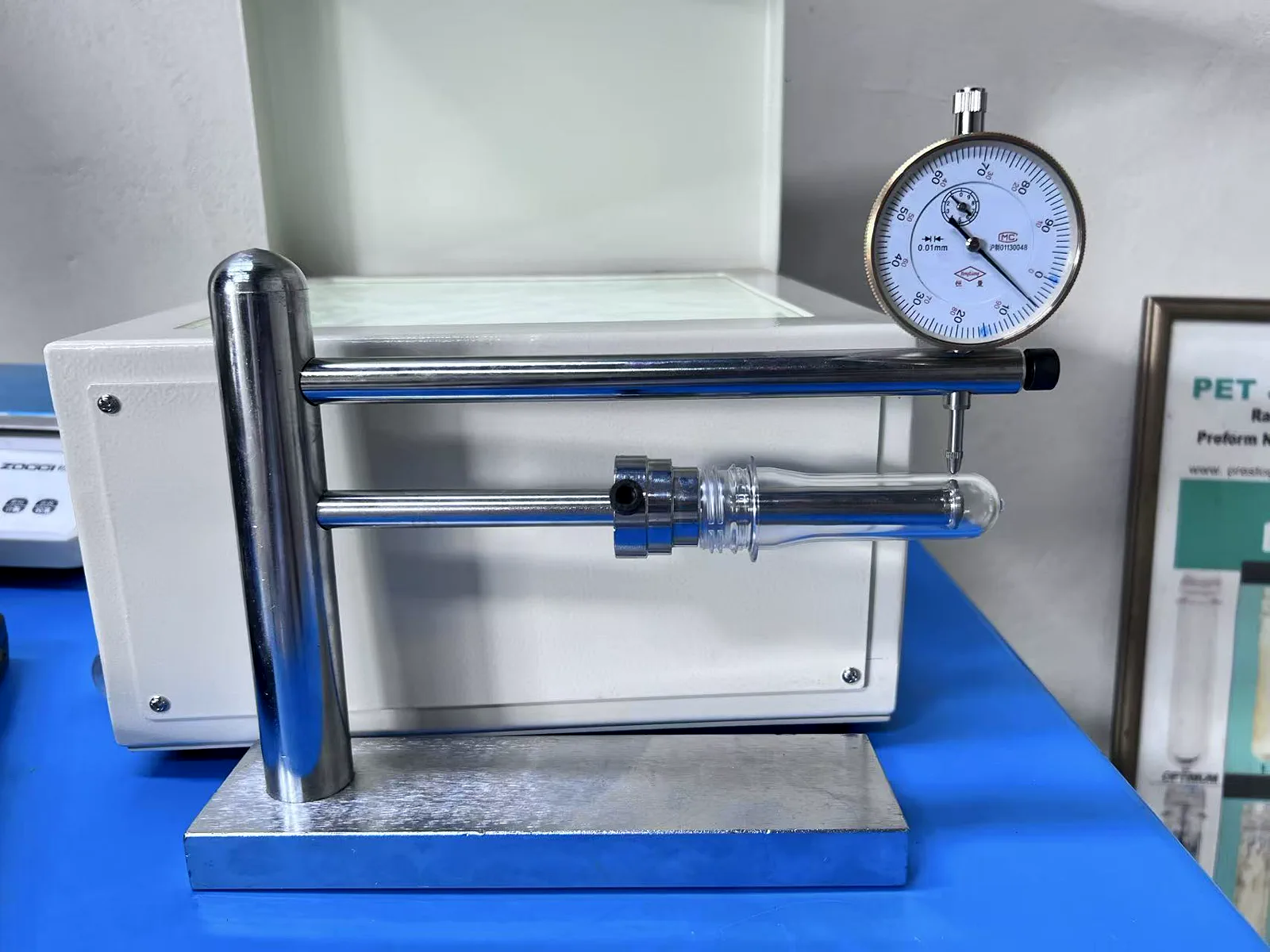
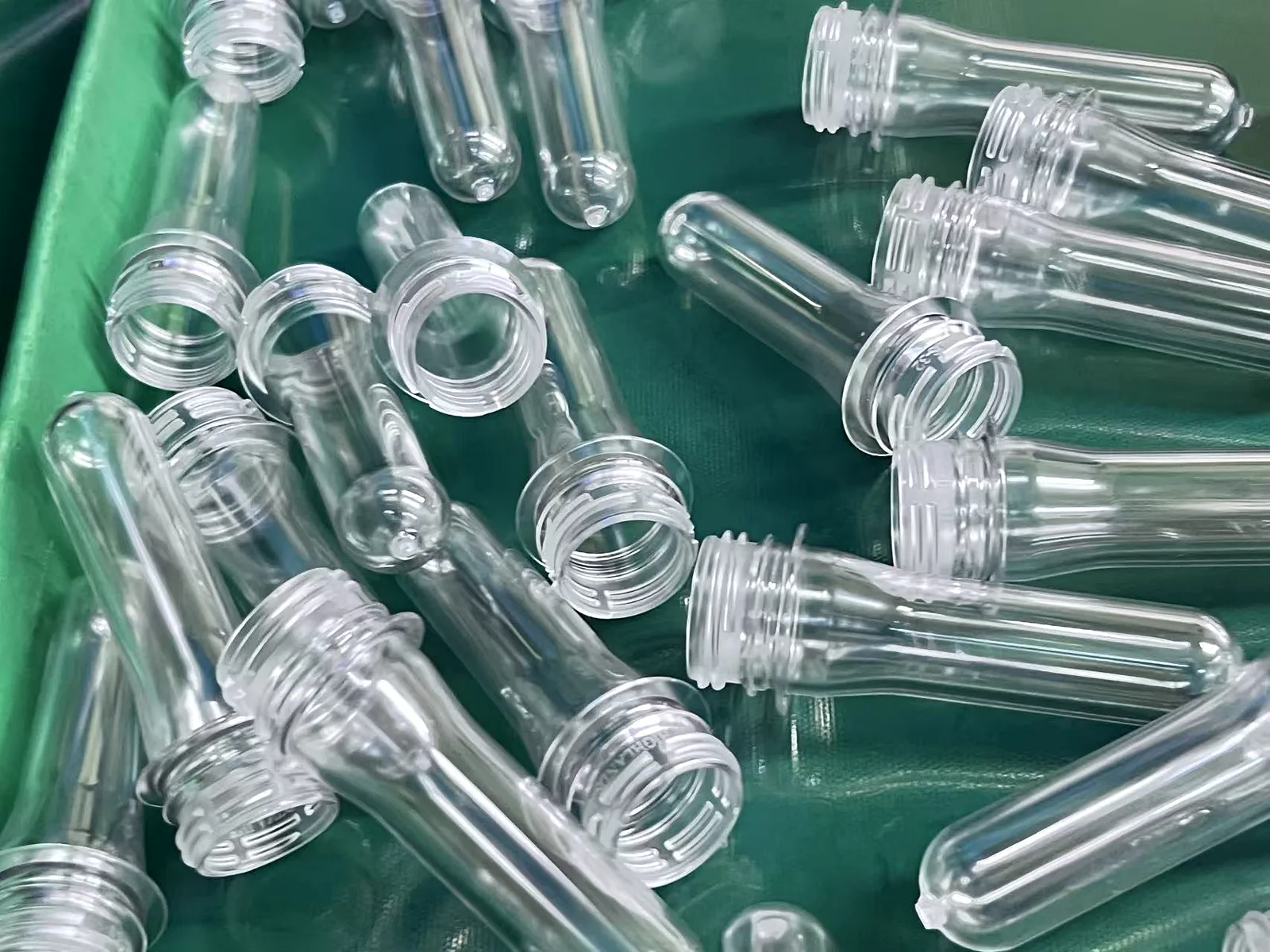
Record the agreed resin, machine and cycle, with traceable samples for weight, neck, gate and appearance checks.
Verify the neck and cap system against the drawing or approved samples before final acceptance.
When included, blow the agreed sample and record the project-specific bottle checks under stated conditions.
Assign leak, pressure, base, top-load or thermal tests only when they apply to the defined beverage program.
 View image
 View image
Different fill and bottle conditions can invalidate a generic preform assumption.
Late neck or cap changes can affect core components, drawings, trial scope and commercial terms.
Finished-bottle validation combines traceable mold samples with the agreed blowing and test process.
Application RFQ
Describe the beverage, filling condition and closure before requesting a final mold configuration. Mark downstream bottle tests and sample responsibilities clearly.
What happens next
Buyer questions
The answers define the decision method. Exact material, performance, cavity and acceptance values remain tied to the approved project.
The bottle program includes pressure-related design and validation conditions, so the approved bottle, preform, closure, blowing process and test responsibilities receive a dedicated CSD configuration.
The filled product, temperature and process, approved bottle and resin program, preform design, closure and downstream validation define the hot-fill mold basis with the responsible technical teams.
The quotation should allocate responsibility between mold trial, sample shipment, blowing and bottle validation. The buyer's approved bottle specification should define the required tests.
Add source-confirmed beverage preforms, relevant closures and finished bottles, with captions stating the actual application and without exposing confidential customer information.
Next decision
Core decision
PET Preform Mold for Bottle ProductionCore decision
PET Preform Mold ApplicationsApplication decision
Water Bottle Preform MoldApplication decision
Carbonated Beverage Preform MoldTechnical decision
PET Preform Mold Neck Finish OptionsCore decision
PET Preform Mold Cavity OptionsCore decision
PET Preform Mold Quotation