01
Architecture named
The quotation identifies manifold, nozzle and valve-gate arrangement rather than saying only hot runner.
hot runner PET preform mold
Which hot-runner and valve-gate scope should be specified for this PET preform mold?
A complete hot-runner and valve-gate system combines melt distribution, manifold and nozzle scope, valve-gate actuation, heater and thermocouple zones, controller compatibility, gate-service access, critical spares, cooling interaction and trial evidence. This page organizes those decisions for the selected cavity count and preform.
Valve gate / pin valve options
High-cavity filling balance
Gate quality review
Hot runner parts support
Enough information to start
Technical decision table
Keep the check, its reason and the resulting project decision visible in the same review. This prevents one keyword or one headline specification from replacing the technical basis.
| Decision factor | What to check | Why it changes the project |
|---|---|---|
| Melt path | Manifold layout, nozzle arrangement, cavity layout and proposed balance method | The proposal should show how melt reaches all cavities and what trial evidence will be used to review consistency. |
| Valve gate | Actuation type, valve pins, gate components, seals and service access | Gate operation affects appearance, service work, spare-parts planning and the boundary between mold and plant utilities. |
| Heating | Heater type, thermocouples, zone count, wiring, connectors and replacement access | The heating and sensing design matches the control system and uses a documented maintenance-parts path. |
| Controller | External or machine-integrated control, power, connectors, alarms and included cables | An interface mismatch can prevent commissioning even when the mechanical mold fits the machine. |
| Trial evidence | Start-up behavior, gate condition, visual review, cavity weight comparison and agreed process record | The acceptance plan should turn runner claims into project-specific evidence before shipment. |
Project definition
List the manifold, nozzles, valve-gate components, actuation hardware, heaters, thermocouples, wiring, connectors, controller, cables and spares. If any item is supplied by the buyer or machine provider, state the required interface. This prevents a complete-sounding runner description from hiding commissioning gaps.
Agree which preform samples will be weighed or measured, how cavities will be identified, which appearance conditions will be checked and what process information accompanies the trial. The approved part and commercial agreement provide the project criteria.
Review how heaters, thermocouples, valve pins, seals and gate components are accessed and replaced. Ask which critical parts are proprietary, what spares ship with the mold and what information is provided for reassembly. Include maintenance planning in the technical comparison.
Proposal scope
01
The quotation identifies manifold, nozzle and valve-gate arrangement rather than saying only hot runner.
02
Zone count, controller, cables, connectors, power and machine signals have an owner.
03
Critical spares, component list, service tools and replacement instructions are included or clearly optional.
04
The trial plan defines gate inspection, cavity comparison, samples and records relevant to the approved preform.
Evidence
Each image highlights a decision point in construction, component scope, service access or trial evidence. The project drawing, quotation and trial record then convert that review into an approved specification.
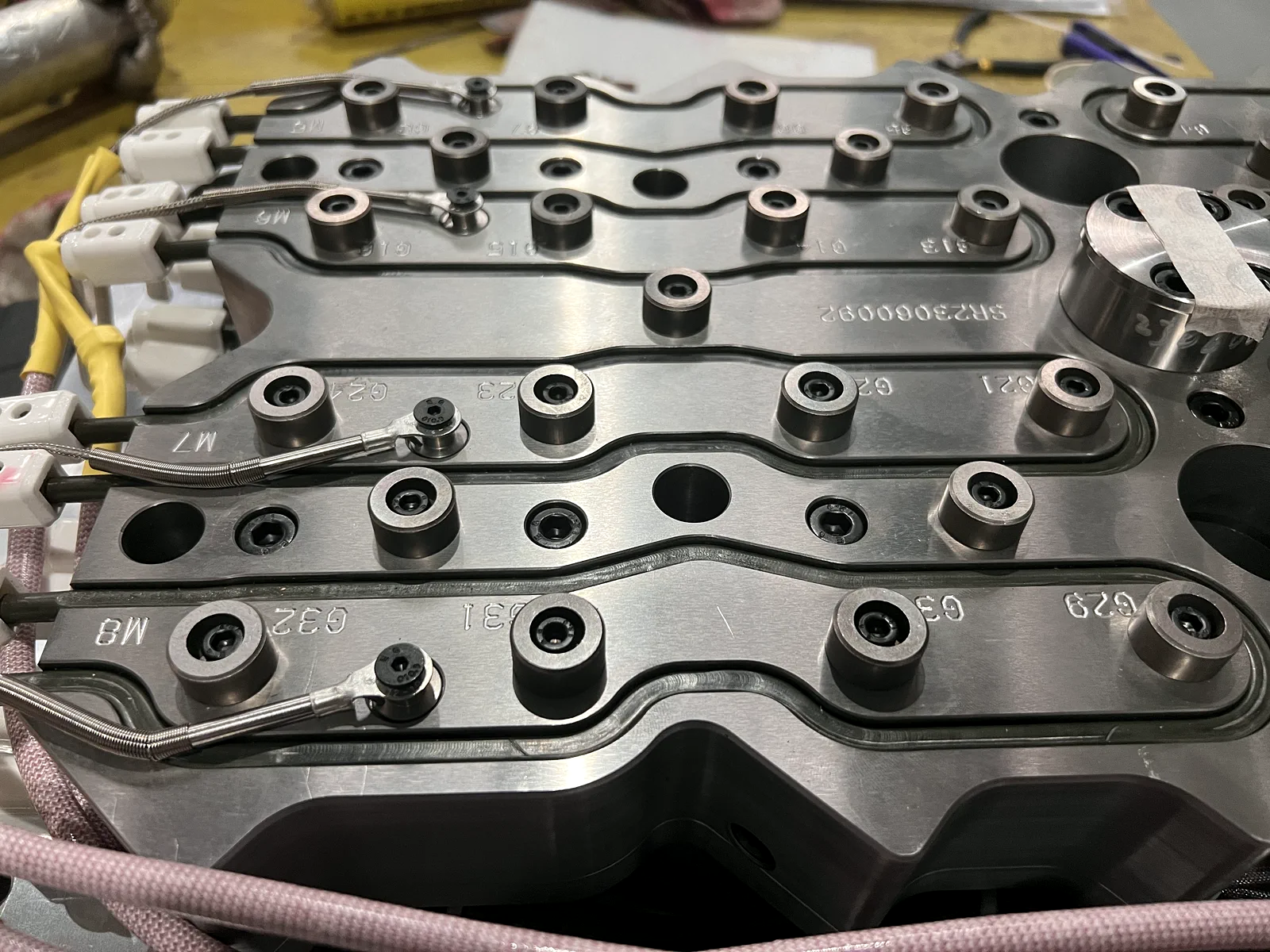
The real manifold close-up shows distribution layout, heating zones, wiring access and service boundaries for technical review.
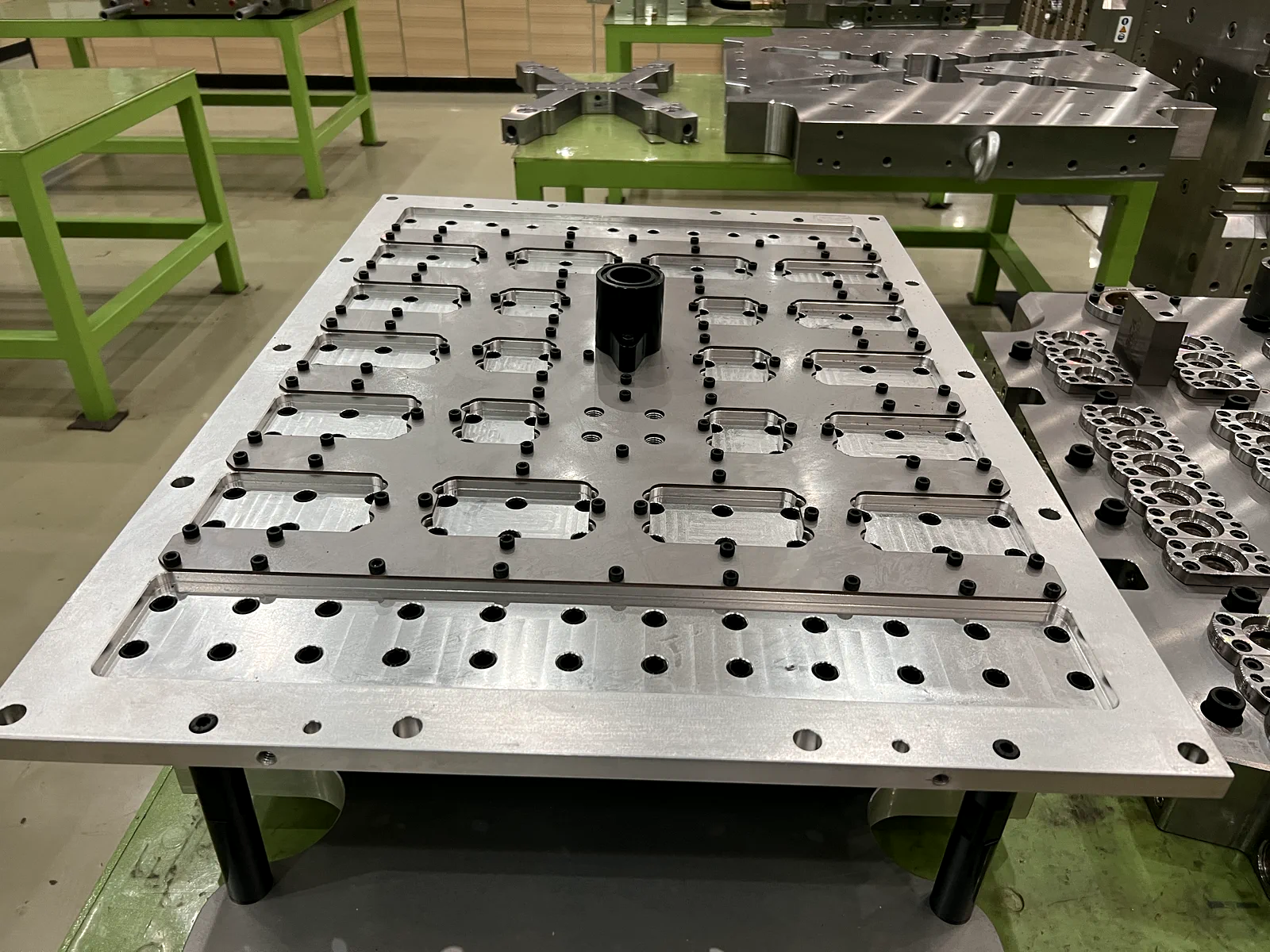
The real spare-parts photograph provides a practical reference for valve pins, gate components and replacement planning.
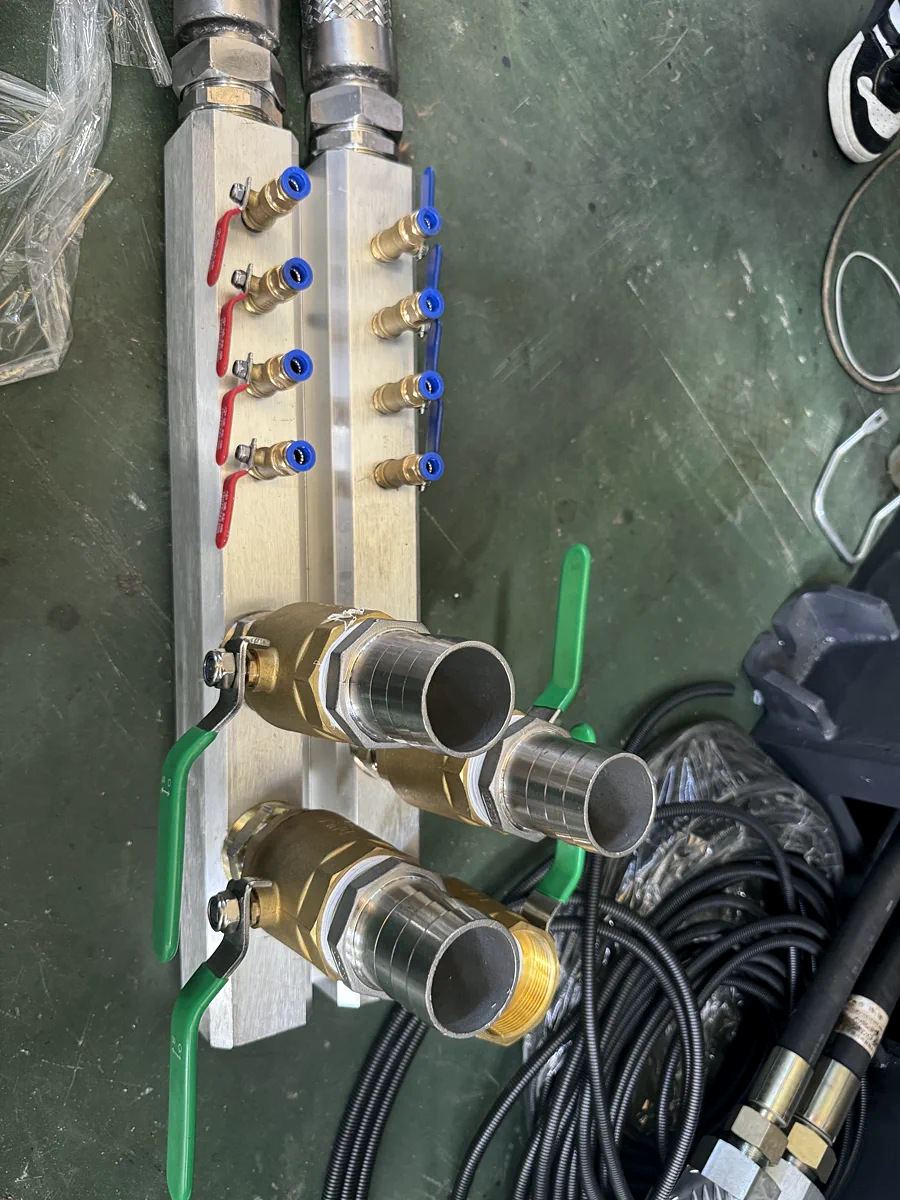
Connection-side detail for checking cable routing and maintenance access.
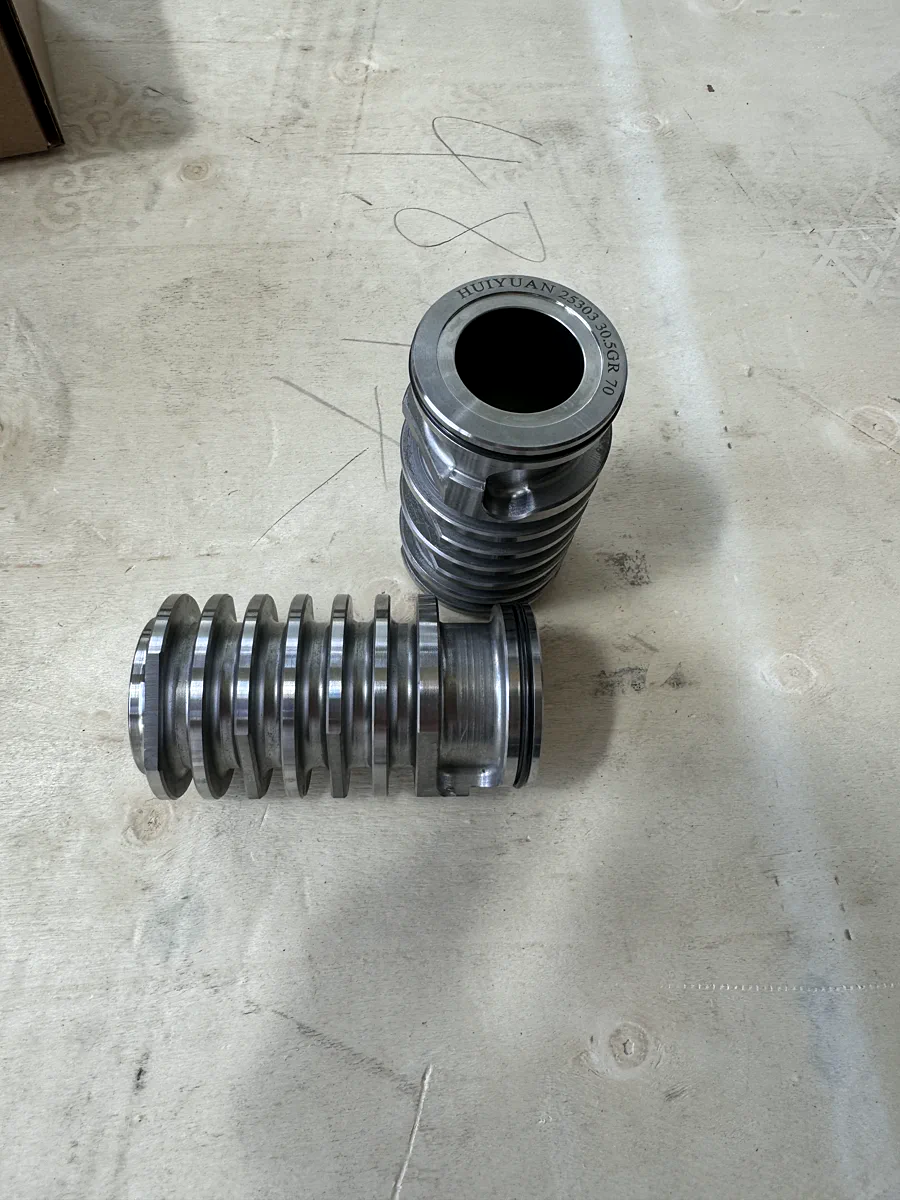
Heater components used to define the hot-runner spare-parts scope.
Project controls
01
List the controller, connectors, cables and plant interface included with the mold.
02
A shared sampling and trial method aligns buyer and supplier interpretation of runner performance.
03
Document the specification and replacement path for small electrical and valve-gate components to support production continuity.
Page-specific RFQ
A hot-runner review needs the molded part, cavity direction and machine controls. State any required component brand only when the plant has a genuine standard.
Buyer questions
It should define the manifold and nozzle scope, valve-gate actuation, heaters, thermocouples, zones, wiring, connectors, controller boundary, utilities, service access, critical spares and trial evidence.
Use a project sampling method that identifies cavities and records relevant weight, dimensional or visual checks under the approved trial basis and project specification.
Yes, when the exact machine controls match the zone requirement, power, connectors, alarms and communication boundary defined for the mold.
Discuss heaters, thermocouples, valve pins, seals, gate components, connectors and any proprietary service items. Final quantities should reflect the proposed system and the plant's maintenance policy.
Next decision
Core decision
Core decision
Core decision
Technical decision
Technical decision
Core decision