Established production demand
The required output uses the capacity of 48 cavities under realistic shifts and downtime rather than relying only on a distant forecast.
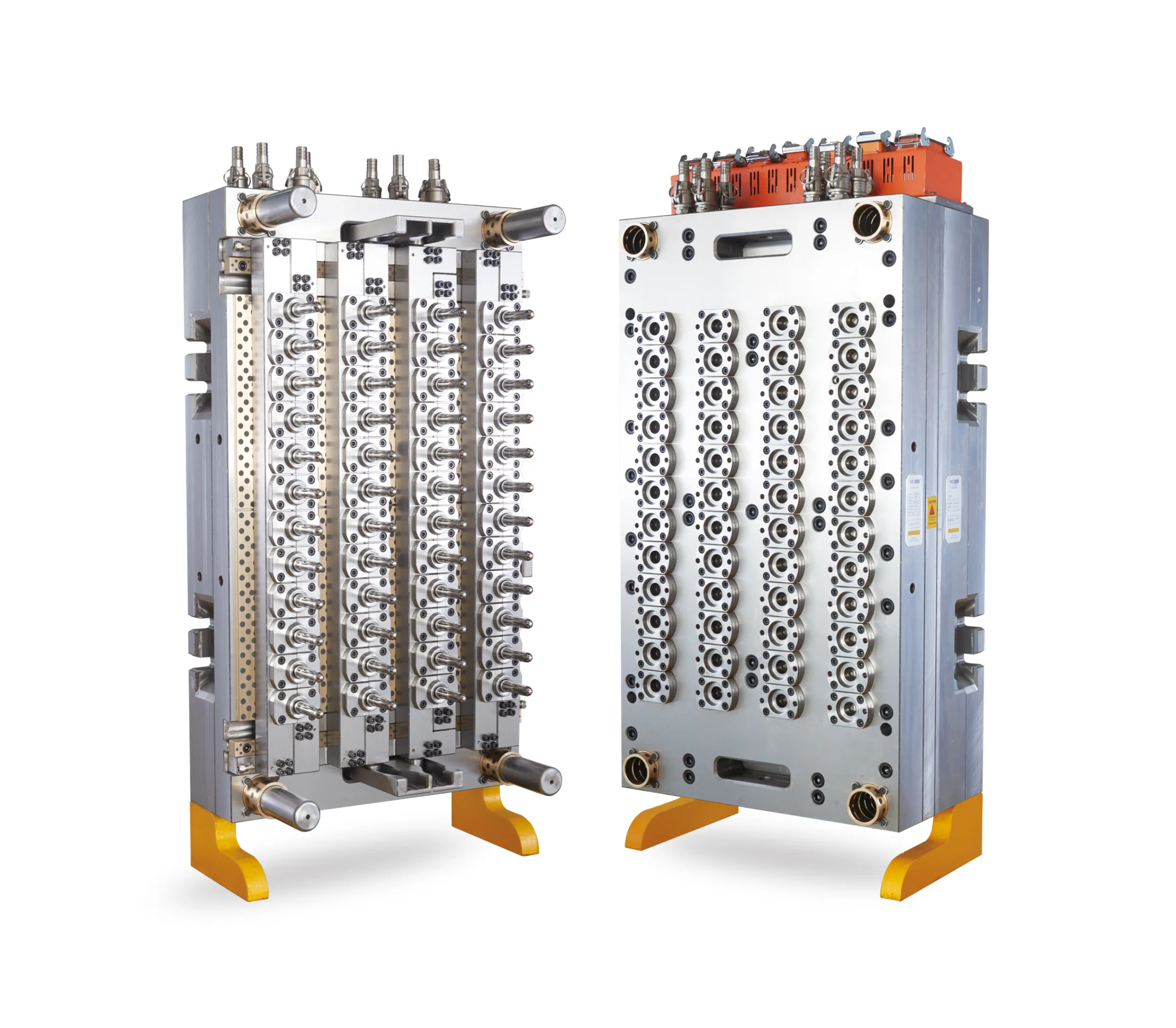
48 cavity production-system review
Use 48 cavities when demand is established and the plant is ready for the larger system.
A 48-cavity mold is a production-system decision. Review the mold, hot runner, controller, injection unit, cooling supply, take-out and maintenance plan together to establish the commercial value of its extra output.
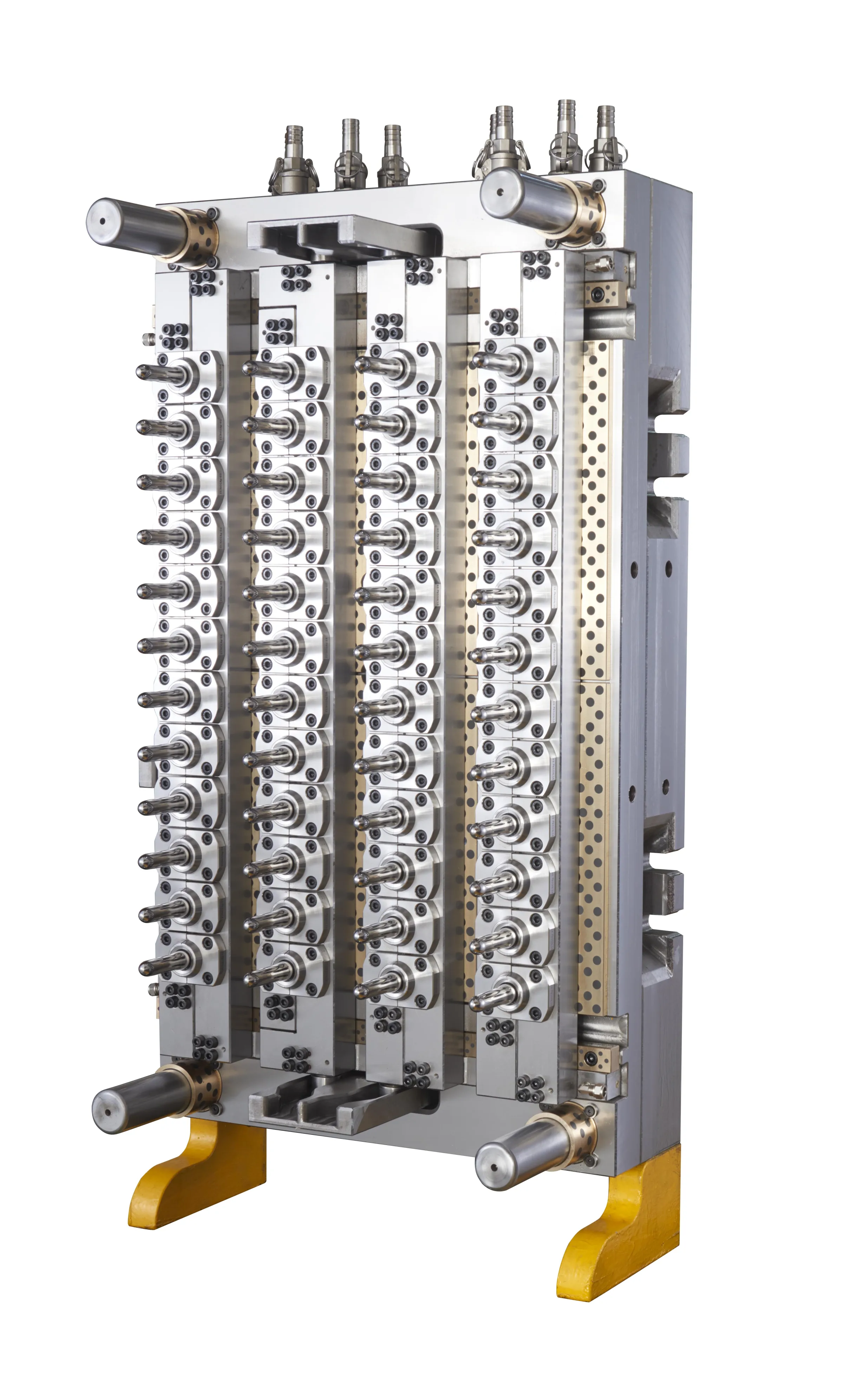
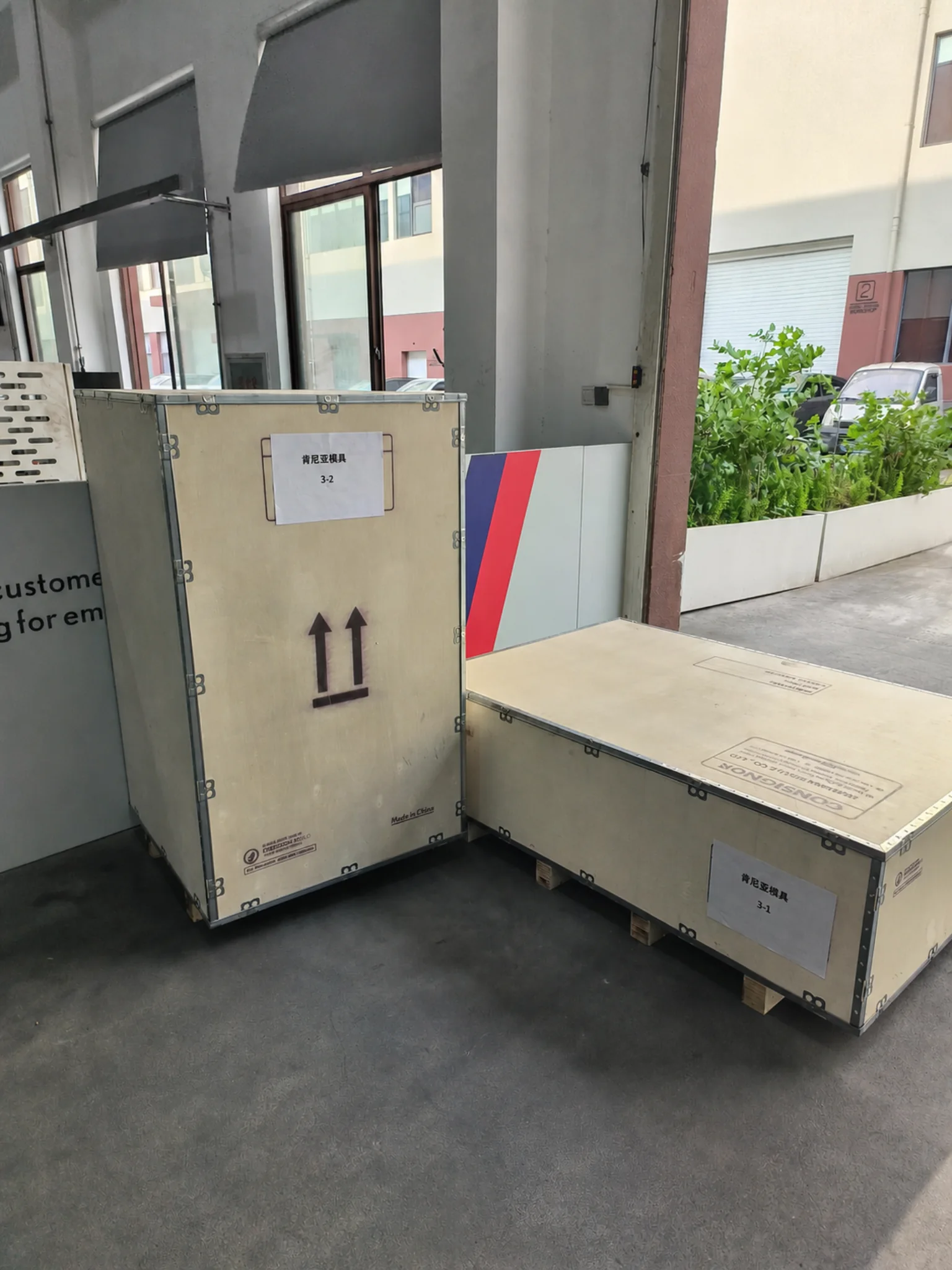
The photographs show a supplied 48-cavity configuration reference. Final neck finish, preform weight, cavity layout, runner architecture, mold envelope and machine interface follow the approved project drawing.
Cavity count
48 cavities
Output step
+50% vs 32 per cycle
Selection basis
Established useful demand
Operating focus
Balance, cooling and service
Cavity selection
Shortlist 48 cavities when demand is proven and the plant can support the larger system consistently.
+50%
parts per cycle versus 32 cavities
The capacity relationship is exact at a common cycle. The final comparison uses the verified cycle and utilization recorded for each proposed configuration.
The required output uses the capacity of 48 cavities under realistic shifts and downtime rather than relying only on a distant forecast.
Shot, mold envelope, opening, controller, cooling and actuation checks support the proposed configuration.
The plant can identify, stock and service the increased runner, heating, valve-gate, insert and cooling components.
Product definition
The approved neck, weight, resin, bottle application and acceptance sample define the molded part, shot, stack geometry, cooling demand and machine feasibility.
View imageMold output
48 PET preforms per completed molding cycle
Neighbor relationship
50% more parts per cycle than 32; 25% fewer than 64
Representative use
Established water, beverage and other drawing-defined PET preform programs
Neck program
PCO 1881, PCO 1810, 29/25, 30/25 or another drawing-defined finish
Preform weight
Defined by the approved part drawing and used in the total-shot calculation
Part shot basis
48 x approved preform weight, plus the agreed process allowance
Useful output
Verified cycle x operating hours x realistic utilization
Evidence basis
A traceable 48-piece sample set and recorded trial conditions
Construction and service scope
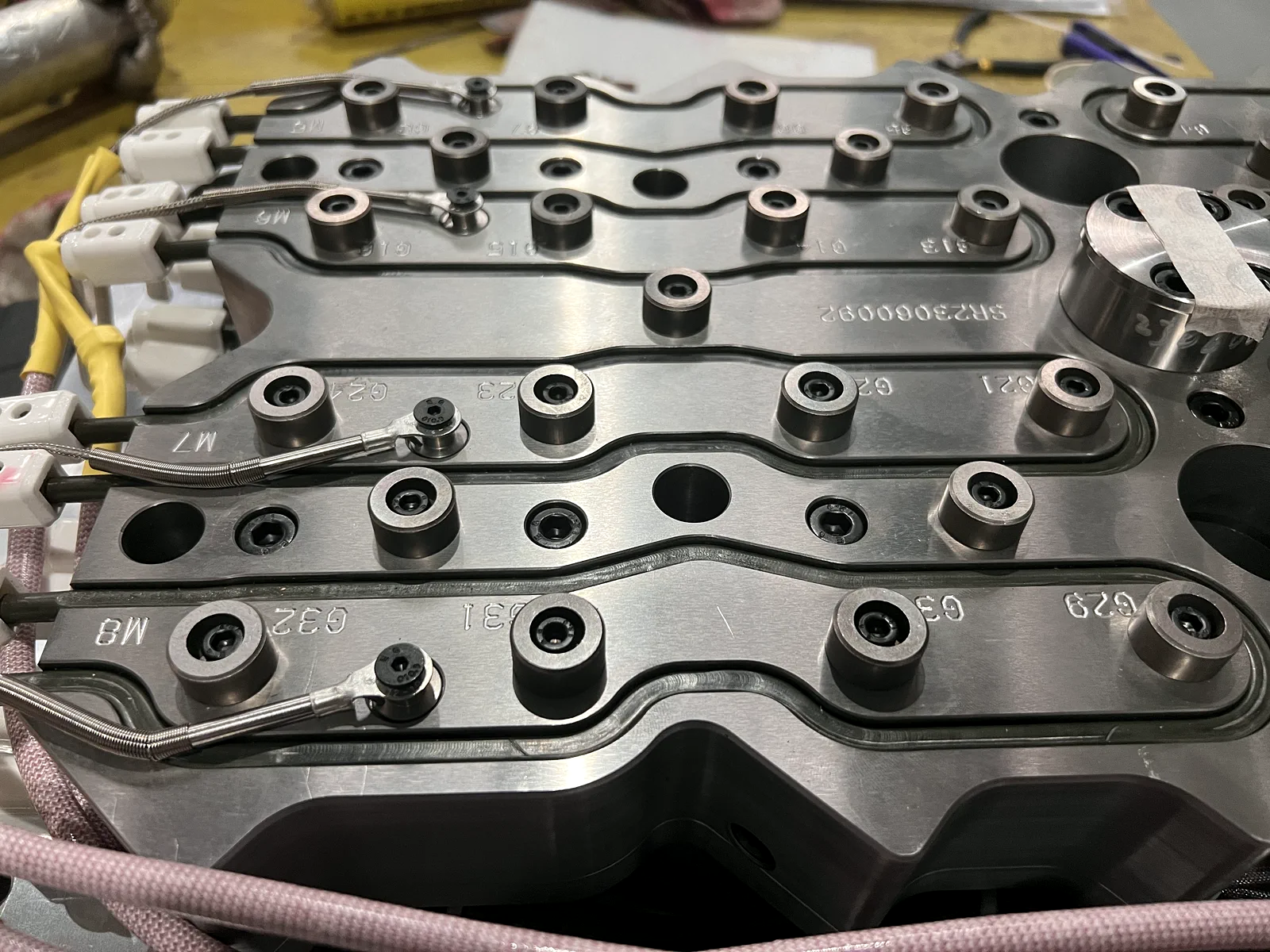
The listed material and component package provides the quotation basis. The final proposal and approved drawings record the selected materials, runner, controls, cooling and replaceable parts.
Mold base
Available basis: 420 stainless steel
Core, cavity and neck ring
Available basis: M333, hardened to HRC 48-51
Heat treatment
Available basis: German Ipsen equipment
Hot-runner components
Available basis: German HOTSET heaters with PCT nozzles and insulators
 View image
 View image
The mold, hot runner, controller, injection unit, cooling supply, take-out and plant maintenance plan work together. A complete quotation shows the commissioning and operating boundaries alongside the mold base and cavity count.
Agree how samples are identified, which weight, dimensional, visual and gate checks apply, and how the approved trial conditions are recorded. A cavity-identified sample plan creates a meaningful 48-cavity balance and consistency review.
When demand and machine capacity support 64, compare both on one project basis. Show any platform, controls or utility investment clearly in the commercial evaluation.
Machine and useful output
The calculator shows the required cycle for each standard cavity option at the requested output, then uses the buyer's entered trial or production cycle to recommend an option.
Injection unit
Approved part shot, screw diameter, pressure, recovery and plasticizing capacity
Mold envelope
Platen, tie bars, mold-height range, mounting pattern and proposed mold drawing
Mold movement
Opening stroke, daylight, take-out clearance and mold handling method
Hot-runner control
Temperature zones, connectors, controller capacity and valve-gate actuation
Plant utilities
Cooling-water temperature, pressure and flow plus electrical, air and hydraulic interfaces
Production basis
Approved preform, PET resin, verified cycle, required output, operating hours and downtime margin
Cavity feasibility
Cavity comparison
Enter weight and output
The result will show the cycle ceiling and part mass for 24, 32, 48, 64, 72 and 96 cavities. A specific recommendation appears only when a verified cycle is entered.
The comparison uses preform weight for part mass and a verified cycle for output selection. Wall thickness, geometry, PET resin, cooling water, hot runner, machine performance and quality requirements complete the engineering review.
Neighbor comparison
Use one approved preform, one verified cycle basis, one operating calendar and one utilization assumption to create a meaningful numerical comparison.
| Decision factor | 32 cavities | 48 cavities | 64 cavities | Buying implication |
|---|---|---|---|---|
| Parts per cycle | 32 preforms | 48 preforms | 64 preforms | 48 adds 16 parts over 32; 64 adds another 16 at the same cycle. |
| Part shot basis | 32 x approved weight | 48 x approved weight | 64 x approved weight | Verify every option against the exact injection unit and plasticizing basis. |
| Capacity role | Controlled middle step | Established production step | Higher-output step | Choose the smallest supported system that meets confirmed demand with downtime margin. |
| Runner and controls | 32-drop system | 48-drop system | 64-drop system | Compare zones, valve-gate actuation, connectors, spares and service access. |
| Selection trigger | 32 already covers demand | Demand uses 48 productively | 48 is already short | Move to 48 or 64 when forecast volume has a clear operating plan and commercial owner. |
Trial and acceptance
Acceptance should be executable: approved part and machine basis, recorded trial conditions, identifiable cavity samples, agreed checks and corrective-action closure before packing.
01
Approve the preform drawing, neck finish, weight, PET grade, color and visible quality requirements before final design.
02
Confirm shot, platen, tie bars, mold height, opening, controller, cooling, actuation, take-out and handling against the proposed mold drawing.
03
Run with the agreed machine and PET resin, then record process settings, cooling conditions and the verified cycle used for acceptance.
04
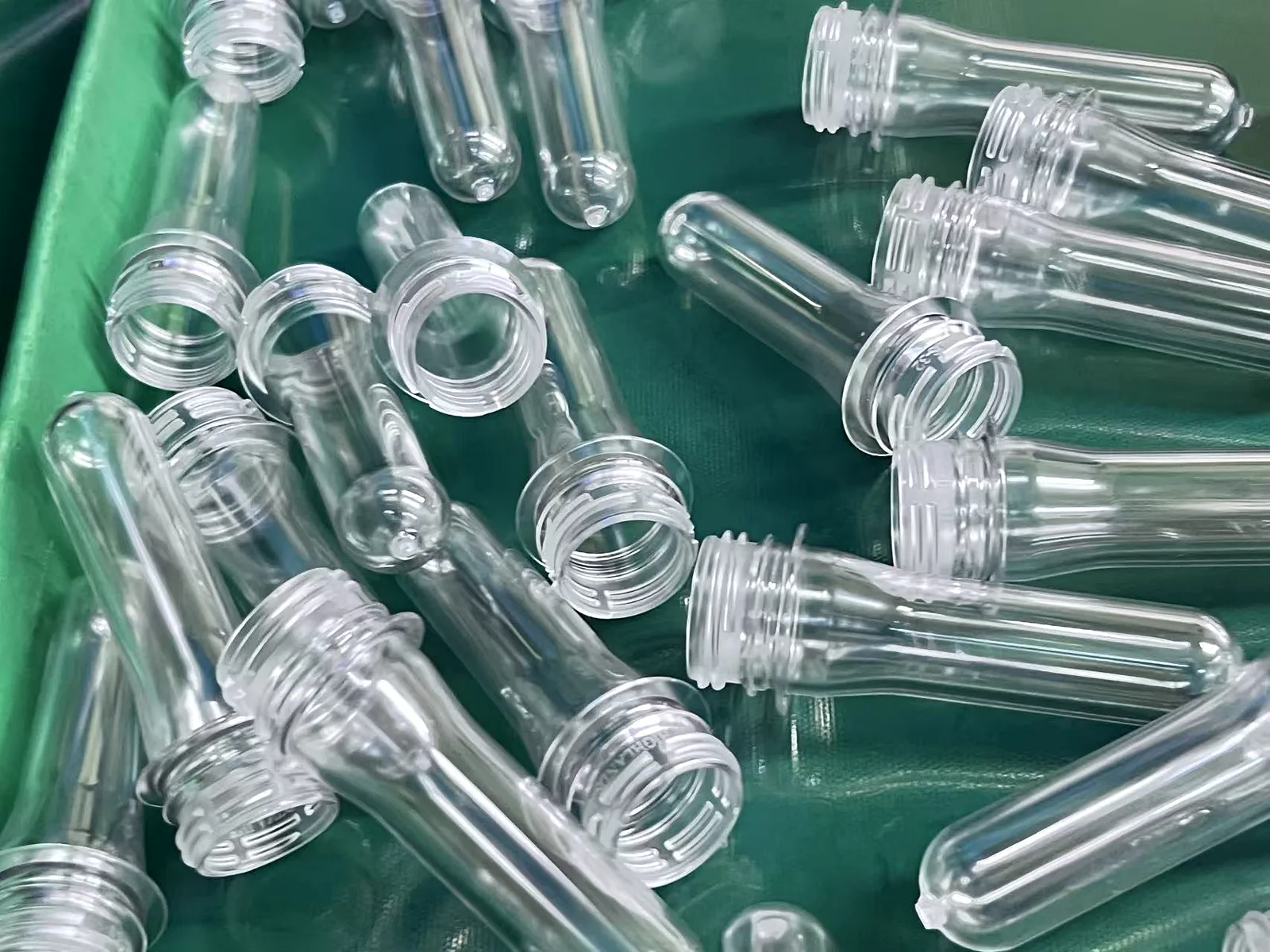
Confirm normal molding from all cavities and provide a complete 48-piece, cavity-identified sample set for the agreed neck, weight, gate, appearance and molding checks.
05
Provide the agreed trial video and inspection records, close failed checks, then verify documents, spares, rust prevention and export packing.
 View image
 View image
Quantities and part numbers belong in the quotation and final supplied-parts list.
48-cavity RFQ
A 48-cavity RFQ should include the demand calculation, exact machine and the required trial evidence. Ask for a 64-cavity comparison only when the platform can support it.
What happens next
Buyer questions
These answers explain the selection method. Exact performance remains tied to the approved part, machine, utilities and recorded trial conditions.
The project combines a larger component set with higher total shot, runner and cooling demands, more control zones, broader cavity-level evidence and greater maintenance responsibility than lower-cavity options.
Agree a traceable sample plan, project-specific weight or dimensional checks, gate and visual review, approved trial conditions and a record that identifies relevant cavity positions.
Compare them when confirmed demand can use the extra capacity and the existing or planned machine, controls, cooling and maintenance resources can support both options.
Discuss heaters, thermocouples, valve-gate and gate components, seals, connectors, identified wear parts and any proprietary service items for the proposed system.
Next decision
Core decision
PET Preform Mold Cavity OptionsCavity decision
32 Cavity PET Preform MoldCavity decision
64 Cavity PET Preform MoldCavity decision
72 Cavity PET Preform MoldCore decision
Hot Runner PET Preform MoldTechnical decision
Mold Compatibility with PET Preform Injection MachinesCore decision
PET Preform Mold Quotation