01
Part definition review
We organize the drawing, preform weight, neck finish, resin and bottle application into one working project basis.
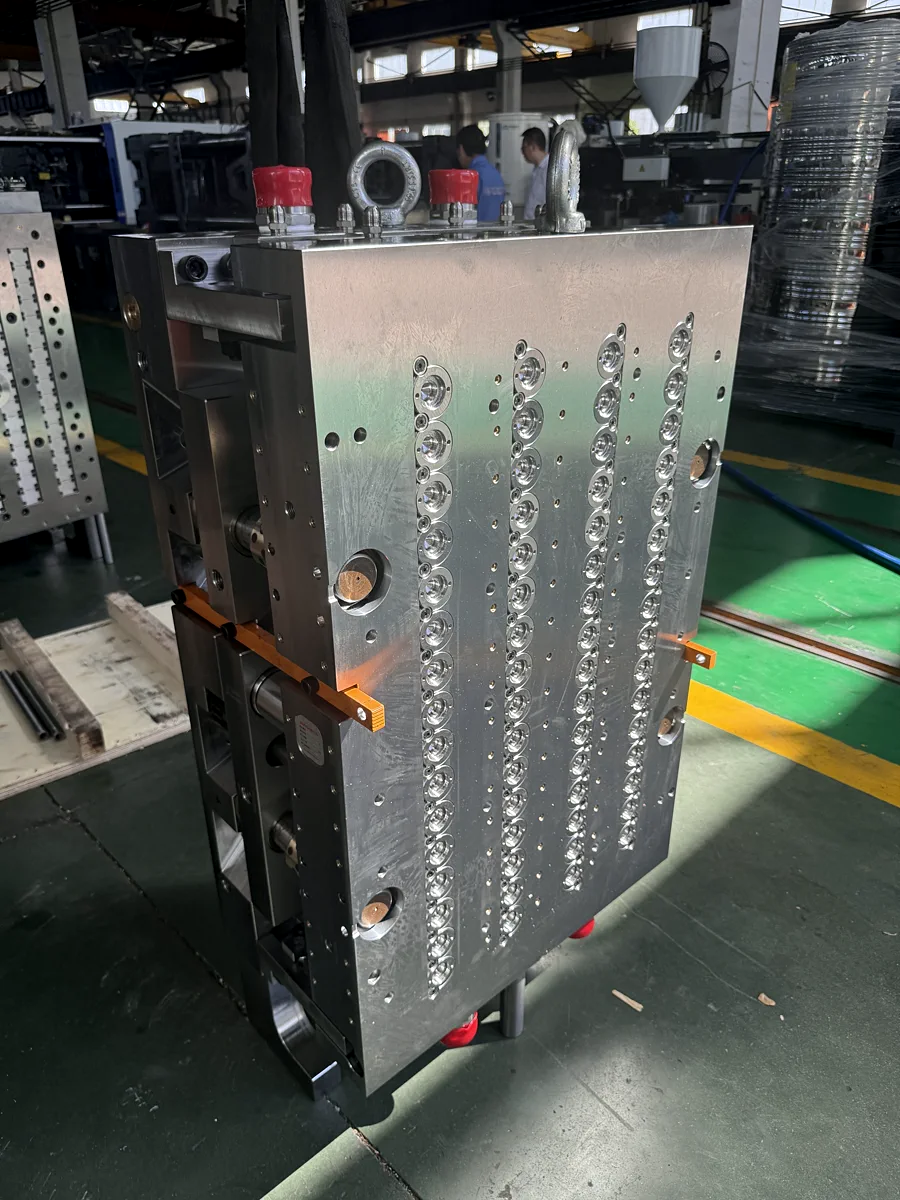
PET preform mold supplier in China
Do you need a PET preform mold engineered around your preform, machine and output target?
Send the available preform drawing, bottle requirement or sample photographs. We develop the cavity direction, machine-fit review, mold construction, hot-runner scope, trial evidence and export delivery package into one clear project proposal.
24/32/48/64/72/96 cavity options
Hot runner / valve gate review
PCO1810, PCO1881, 30/25, 38mm and more
Drawing-based quotation
What you receive
Start with the information already available. The first technical review turns it into a clear mold direction, a short list of open inputs and a quotation scope your purchasing and engineering teams can use.
Review the broad PET preform mold scope first, or open the wide mouth preform mold page when the project is for a PET jar or another large-opening container.
Start project reviewWe organize the drawing, preform weight, neck finish, resin and bottle application into one working project basis.
Required output and the exact injection machine are reviewed together before a cavity recommendation is finalized.
The proposal defines mold construction, hot runner, controls, cooling interfaces, service parts and machine connections.
The project plan connects all-cavity samples, inspection records, trial evidence, spare parts and export packing.
Stage 01
Drawing in
Part, neck and application review
Stage 02
System defined
Cavity, hot runner and machine fit
Stage 03
Evidence agreed
Trial samples and inspection record
Stage 04
Shipment released
Spares, documents and export packing
Enough information to start
Representative project evidence
Product photographs become useful when they are connected to the approved configuration, machine review, acceptance samples and shipment checklist. These records show the level of detail used in a project review.
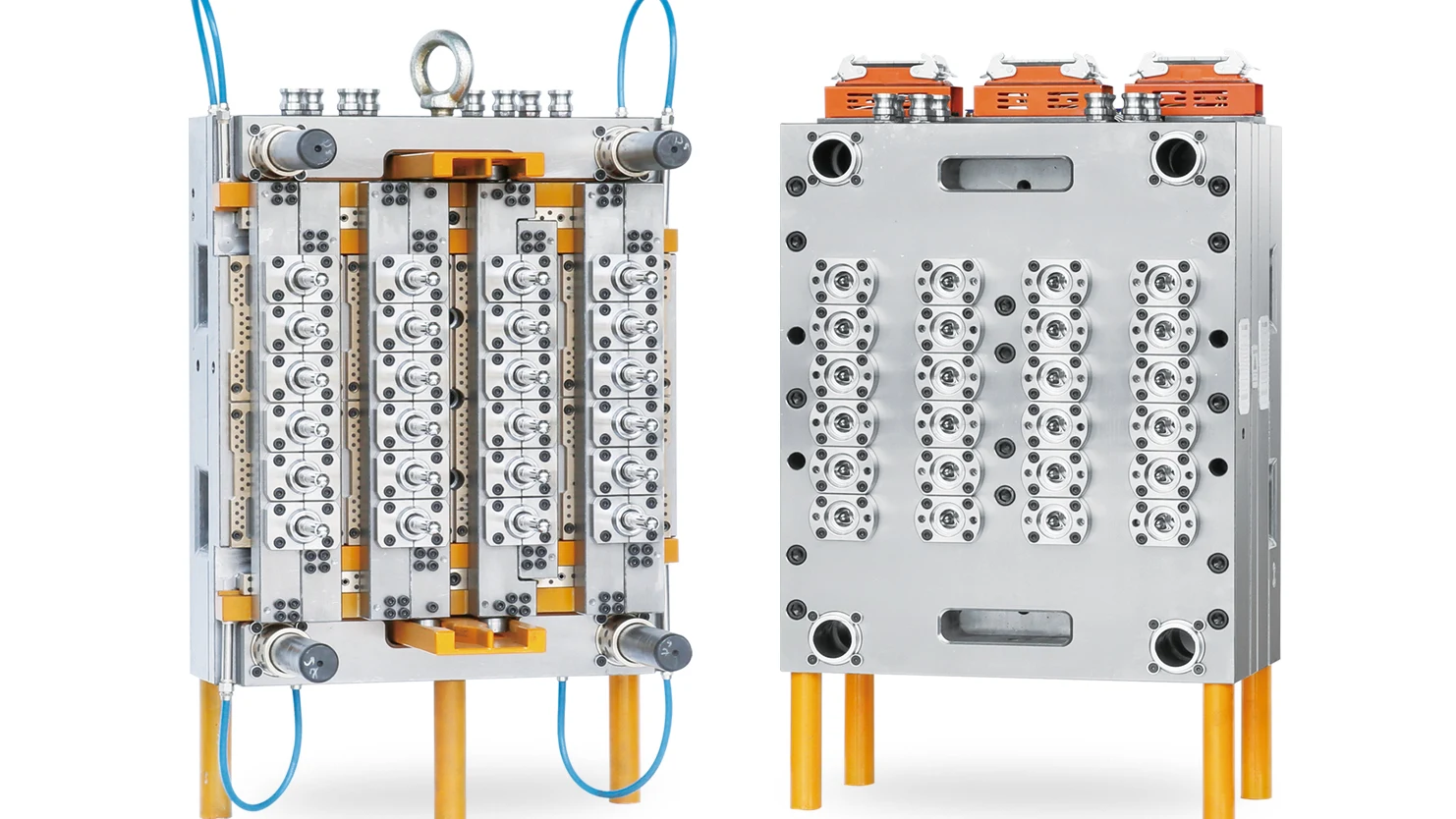
24-cavity water preform program
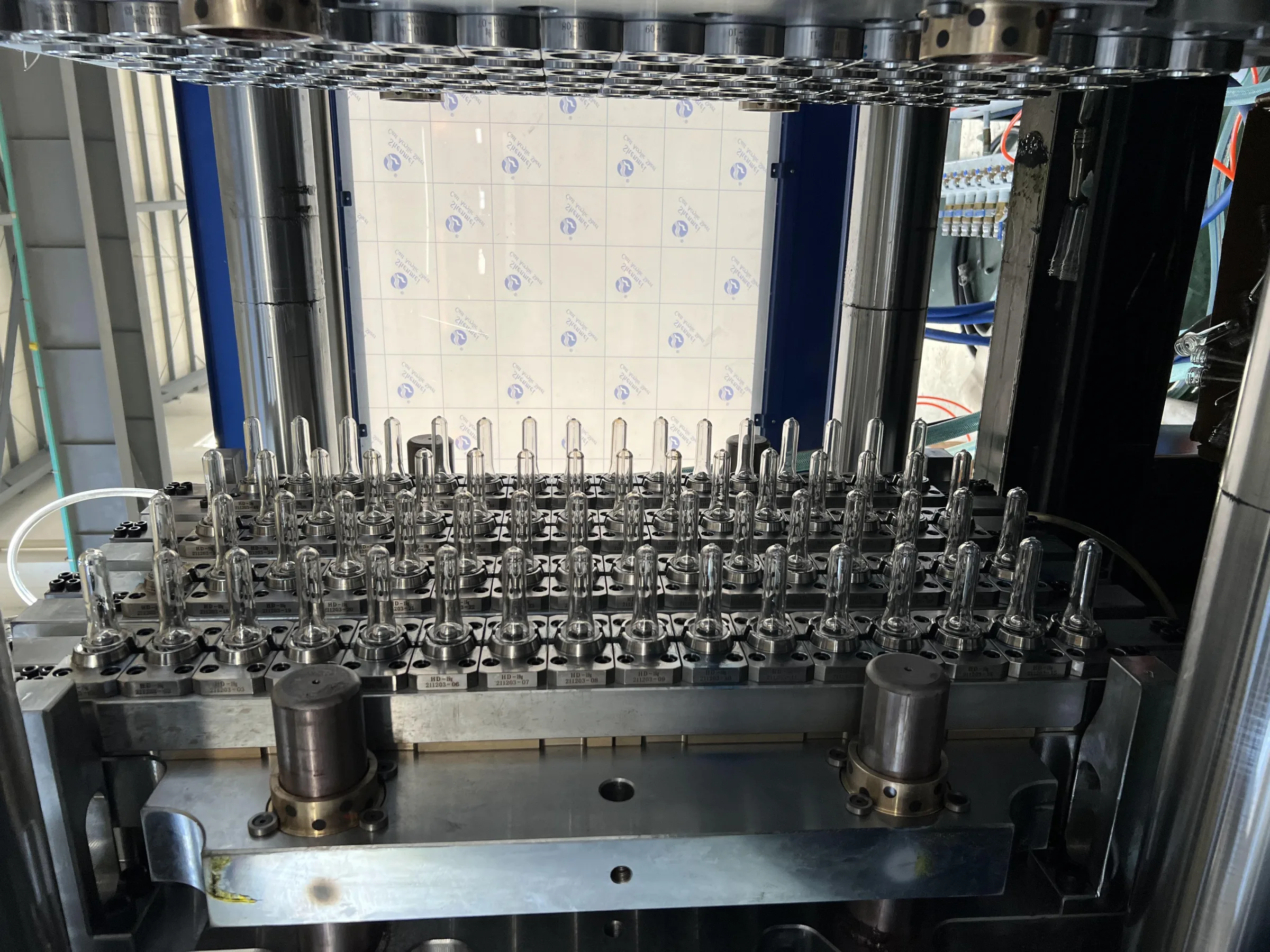
Higher-output production program
Technical decision table
The part, cavity direction, machine, mold system and acceptance plan are reviewed together. This gives engineering and purchasing one approved basis for the proposal.
| Decision factor | What to check | Why it changes the project |
|---|---|---|
| Preform definition | Drawing revision, weight, neck finish, resin and bottle application | These inputs align the molded part, neck, shot requirement and application basis in the proposal. |
| Cavity direction | Target output, operating hours, preferred cavity count and growth plan | The cavity shortlist affects mold size, investment, hot-runner complexity, cooling demand and maintenance responsibility. |
| Machine platform | Model, shot capacity, platen and tie-bar data, mold height, stroke, controller and utilities | A mold is only useful when it can physically fit, inject, cool, control and open on the intended machine. |
| Quotation boundary | Cold half, hot half, controller, spares, trial, documents, packing and exclusions | A clear boundary makes competing offers commercially comparable and reduces late additions. |
| Acceptance evidence | Approved basis, sample review, measurements, trial record and packing checklist | Evidence agreed before order gives both sides the same definition of shipment readiness. |
Project definition
The latest preform drawing, neck finish, weight, resin and bottle application become the common technical basis for the mold design, machine review and acceptance plan.
Cavity count, total shot, mold envelope, hot-runner controls, cooling, movement and plant utilities are reviewed together. The resulting proposal shows the mold configuration and the machine conditions supporting it.
The project plan defines the trial machine, resin, sample identification, inspection items, records, spare parts, documents and packing evidence before the mold is released for export.
Proposal scope
01
The proposal identifies the preform drawing, resin, weight, neck finish and bottle application used for engineering.
02
Cold-side construction, hot runner, controller, connectors, cooling interfaces and service parts are defined.
03
Trial material, machine, cavity-identified samples, measurements, visual checks and records are organized before acceptance.
04
Packing, documentation, spare parts, delivery basis and release evidence are connected to the approved mold.
Evidence
Real mold and component photographs support the discussion about construction, runner scope, service access and critical parts. The final proposal records the selected project configuration.
The real machine photograph makes component layout, cavity access, alignment and the physical proposal scope easy to review before quotation.
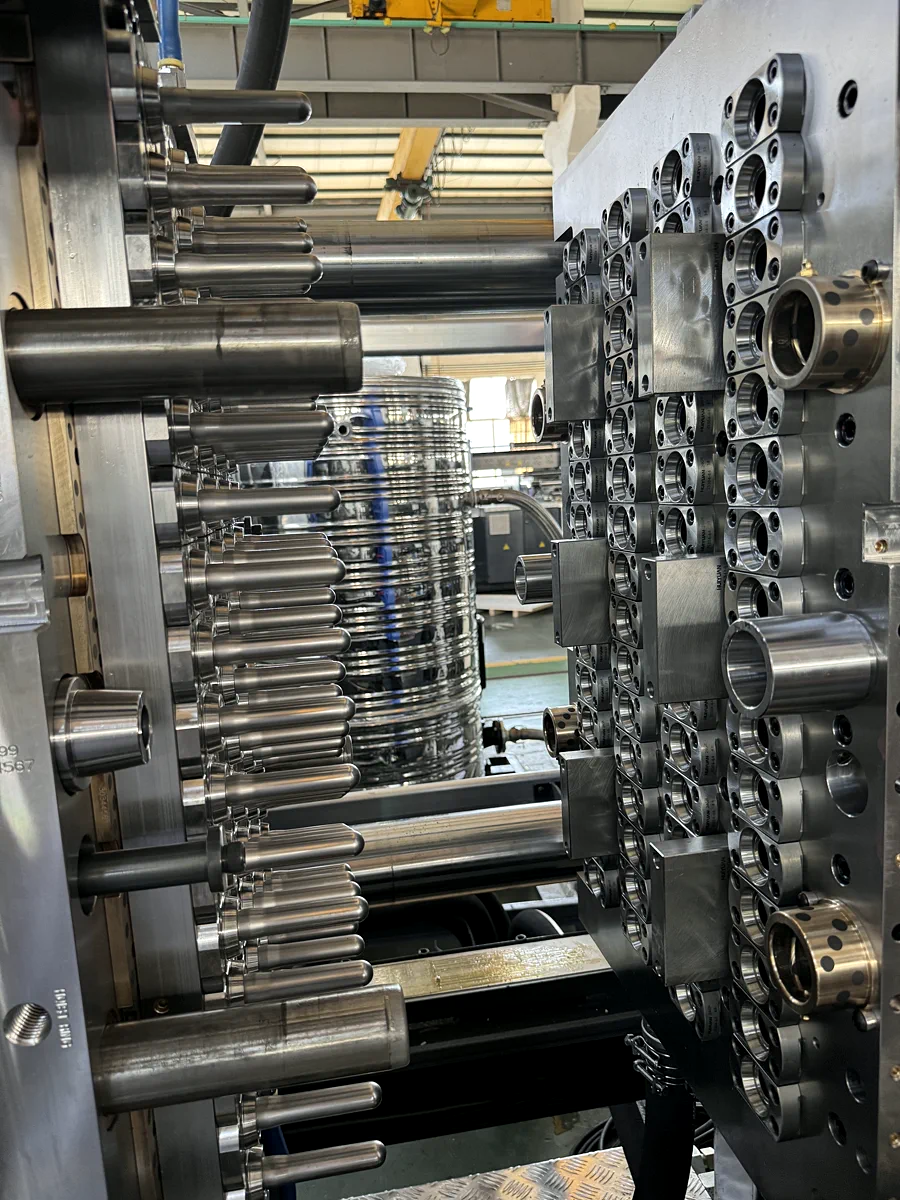
The real manifold close-up supports a practical review of zones, heaters, thermocouples, nozzles, service access and spare parts.
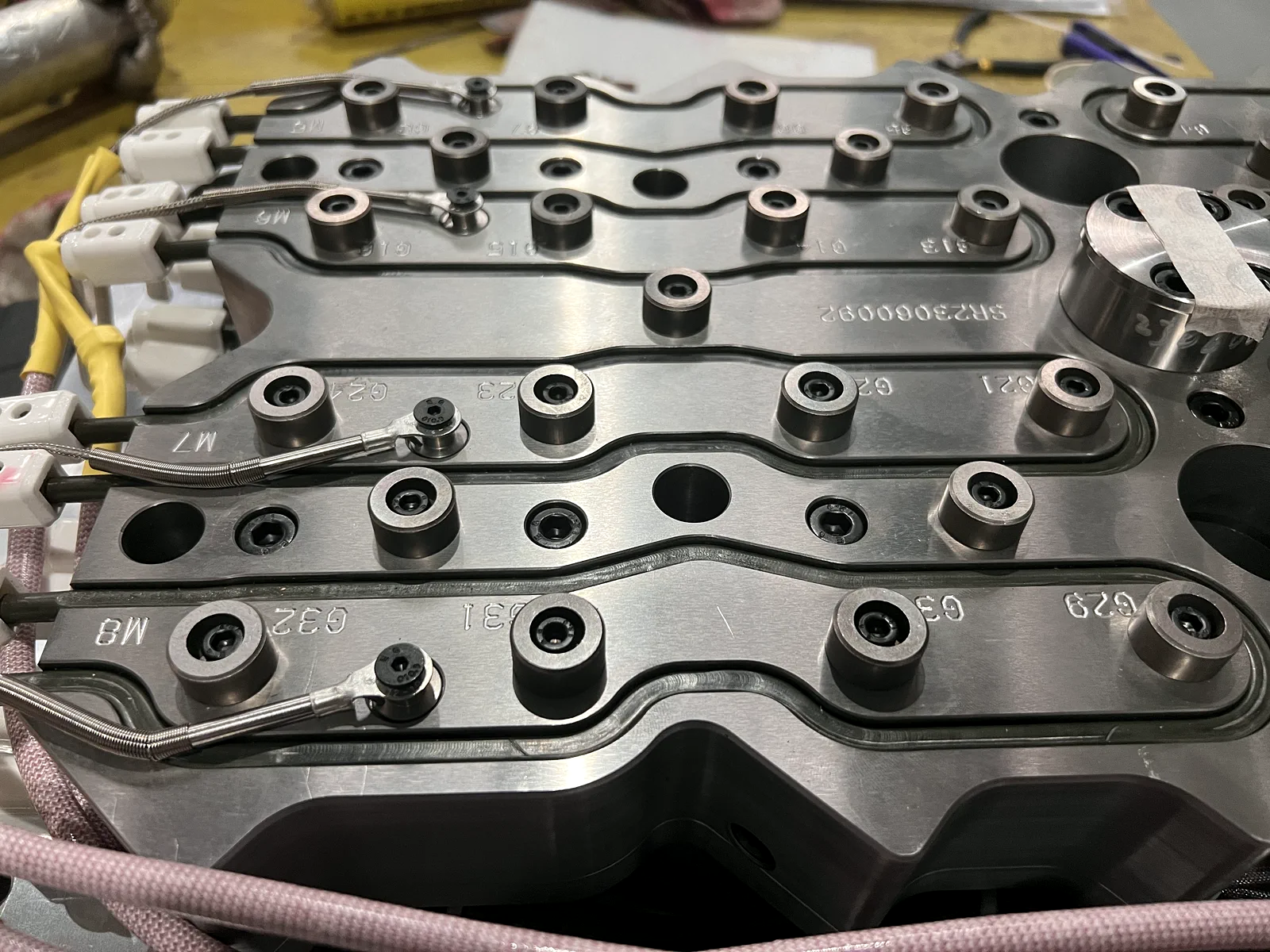
Real manifold, heater and sensor routing used for hot-runner scope review.
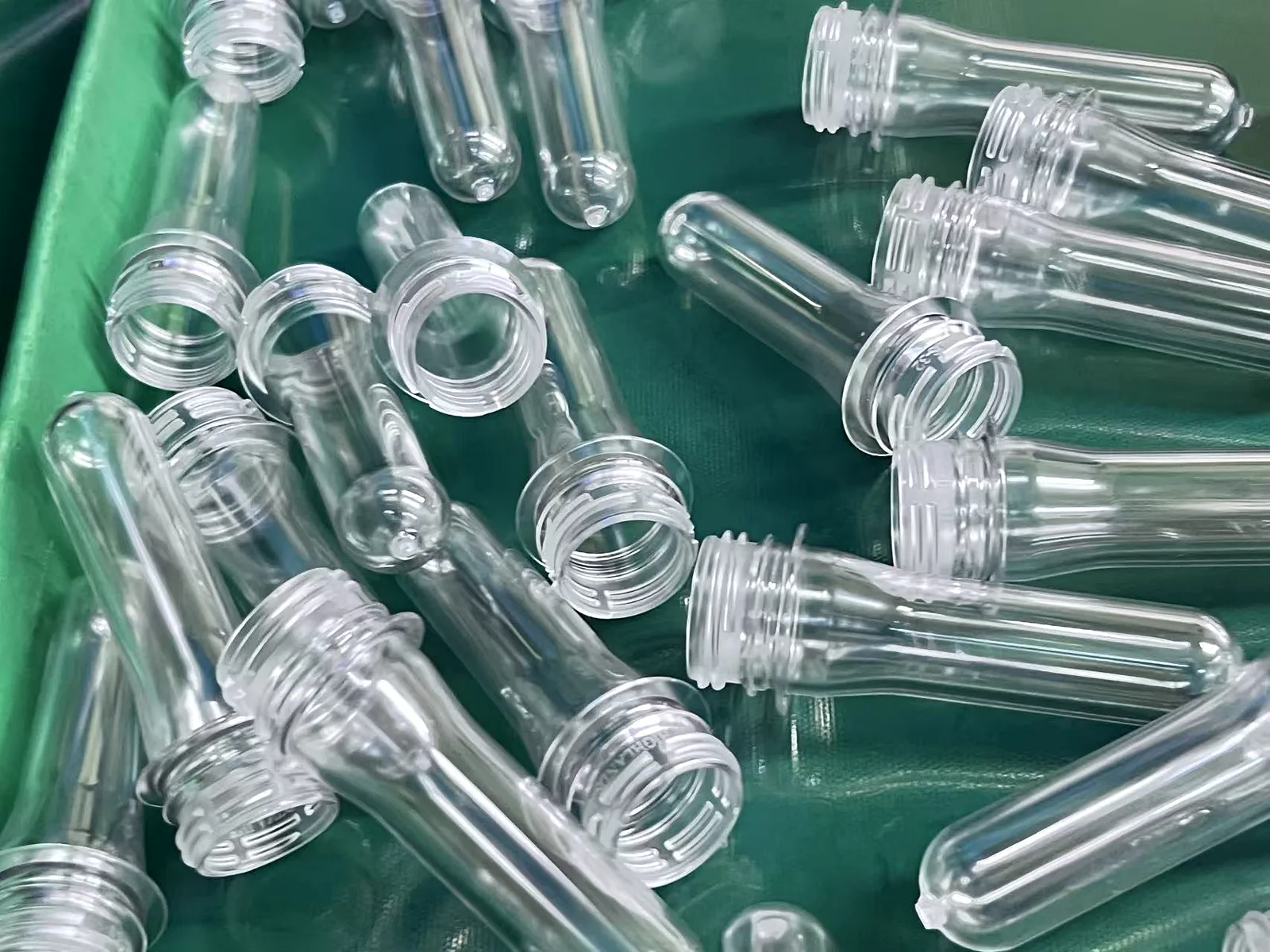
Trial samples retained for neck finish, gate, appearance and consistency checks.
Project controls
01
Controls, service parts, trial evidence, packing and documentation are visible in the proposal together with the mold.
02
The exact machine specification and proposed mold data are checked together to establish fit, controls, utilities and operating movement.
03
Cycle, output, dimensional and visual requirements are connected to the approved part, trial condition and inspection method.
After you submit
Reviewed input summary
Recommended technical direction
Open items for final proposal
Page-specific RFQ
Begin with the information already available. The first response summarizes the project, recommends the next technical direction and lists the remaining inputs for a complete mold proposal.
Buyer questions
The first review summarizes the part and application, checks the cavity and machine direction, identifies the proposed mold and hot-runner scope, and lists the remaining inputs for the complete quotation.
Yes. Send clear preform, neck, cap and bottle photographs together with the available weight, application, output and machine information. The response organizes the next measurements and drawing inputs.
Yes. The quotation review connects the mold configuration to the trial basis, cavity-identified samples, inspection record, project spare parts, documents and export packing.
Required output, preform weight, verified cycle basis, operating plan and the exact injection machine are reviewed together before the 24, 32, 48, 64 or 72 cavity direction is finalized.
Next decision
Core decision
Core decision
Core decision
Core decision
Core decision
Technical decision