01
Exact part basis
Part number, platform, revision, quantity and cavity position are identified.
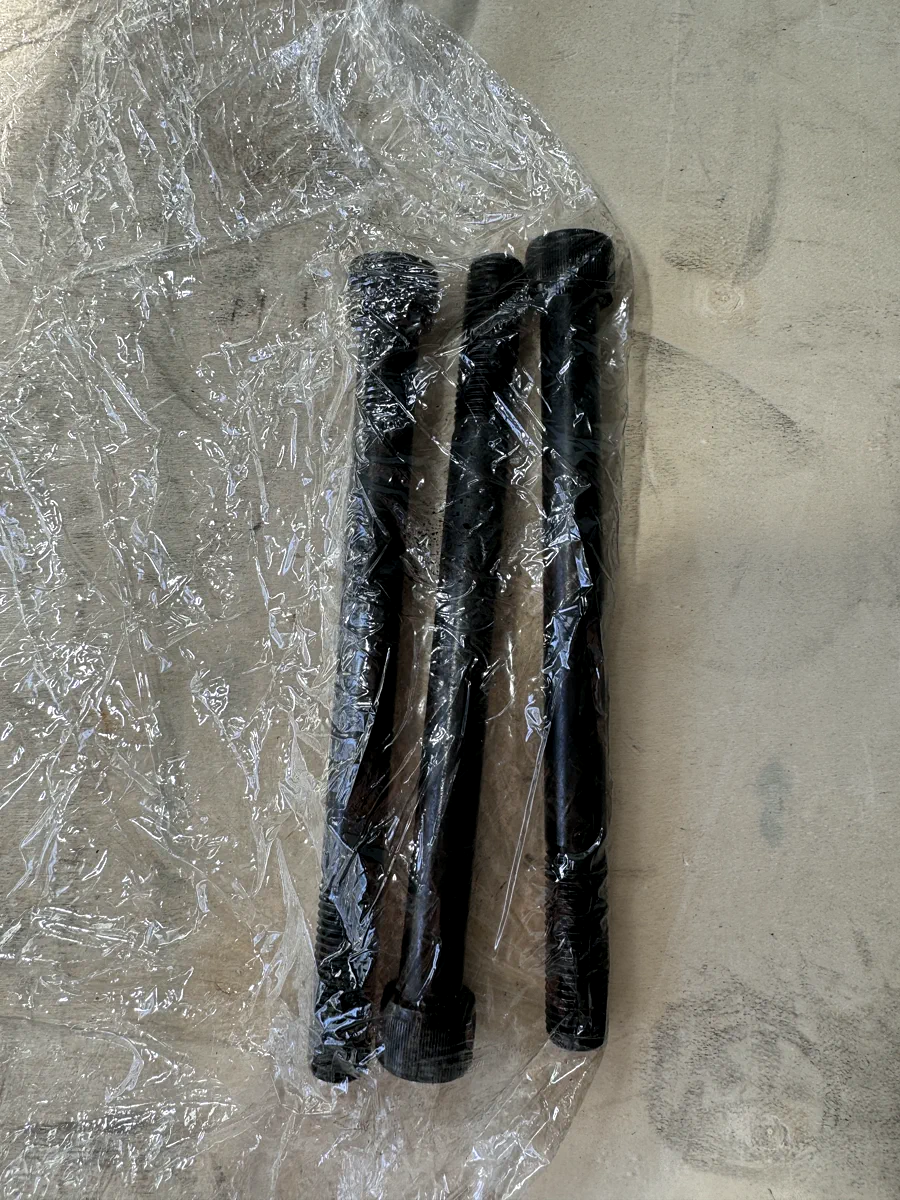
PET preform mold parts
How will this PET preform mold part be identified, matched and supplied for the existing mold?
A PET preform mold part request begins with identification and compatibility. Neck rings, cores, cavities, lock rings, valve pins, heaters, thermocouples, nozzles, seals and other runner or cold-side components are matched to the exact mold platform, drawing revision, material, treatment, dimensions, interfaces and failure condition. The service focuses on documented replacement components and locally executable solutions, with the commercial scope defined for each project.
Neck ring and lockring
Core and cavity inserts
Valve pins and hot runner
Drawing or photos required
Enough information to start
Technical decision table
Keep the check, its reason and the resulting project decision visible in the same review. This prevents one keyword or one headline specification from replacing the technical basis.
| Decision factor | What to check | Why it changes the project |
|---|---|---|
| Part identification | Mold and component reference, part number, position, quantity and revision | Matches each component to the correct platform and cavity location. |
| Functional geometry | Approved drawing or measured features, toleranced interfaces and mating parts | Defines the dimensions that control assembly, movement, sealing and molded-part geometry. |
| Material and treatment | Verified specification, hardness or treatment requirement and operating function | Matches material and treatment to the component's documented operating function. |
| Failure context | Wear, breakage, heating fault, leakage, gate issue or dimensional problem | Shows whether replacing the visible part addresses the actual problem or only the symptom. |
| Inspection and shipment | Drawing approval, measurement report, quantity, marking, protection and delivery basis | Creates an acceptance path for a component designed to fit the identified existing mold. |
Project definition
Photograph the complete part, close-ups of functional surfaces, markings, mating position and any visible damage. Add the mold platform, part number and drawing when available. Dimensions and interfaces then turn the photograph into a complete replacement specification and price basis.
If a heater, valve pin, neck ring or insert failed early, record the operating symptom, affected cavities, process conditions and related components. Review alignment, cooling, control, contamination and assembly together with the replacement.
Agree which drawing or sample controls the part, which dimensions and properties are inspected, how items are marked, and what the buyer checks before installation. For an existing mold, the acceptance plan focuses on the exact interfaces and operating function.
Proposal scope
01
Part number, platform, revision, quantity and cavity position are identified.
02
The buyer confirms authority to use supplied drawings, samples and proprietary information.
03
Specification, treatment, measurement, marking and reporting are commercially stated.
04
The proposal names assumptions, mating components and any installation or trial work excluded.
Evidence
Each image highlights a decision point in construction, component scope, service access or trial evidence. The project drawing, quotation and trial record then convert that review into an approved specification.
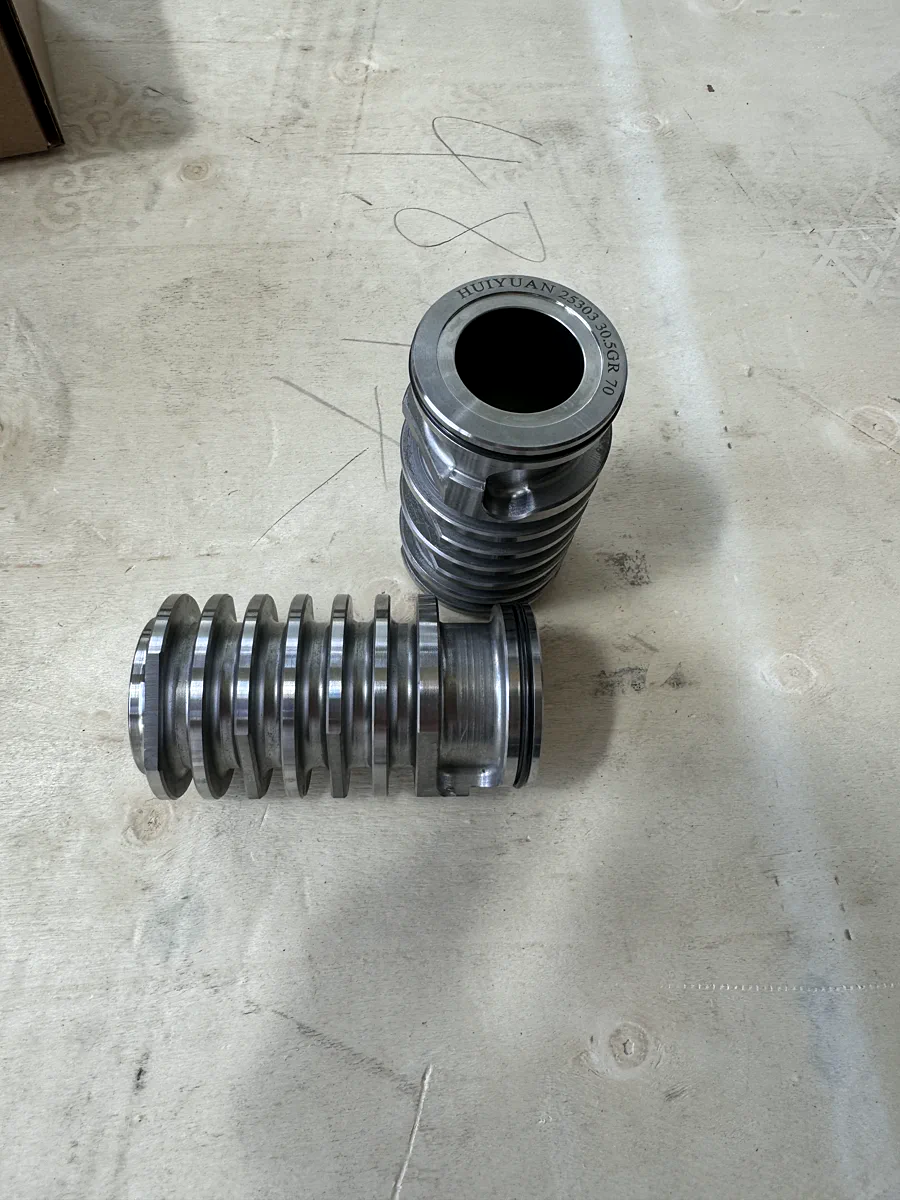
This photographed component set shows core and neck-ring style parts as physical supply references. Part number, drawing, material, treatment and mating dimensions create the compatibility basis for the buyer's mold.
This close-up shows the electrical and mechanical interfaces used to match a runner component. Connector, voltage, length, sensing point and installation position are recorded in the project specification.
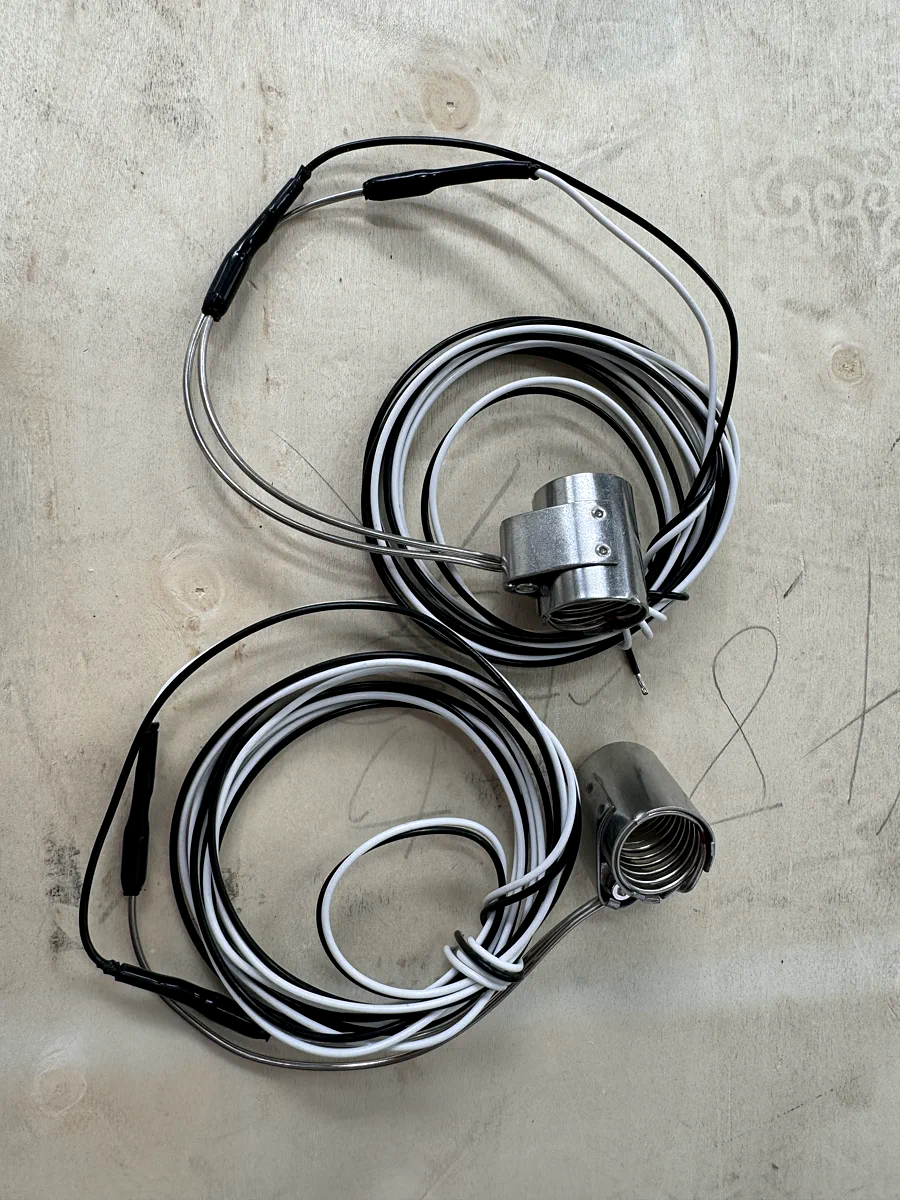
Temperature-sensing components prepared for mold assembly and replacement.
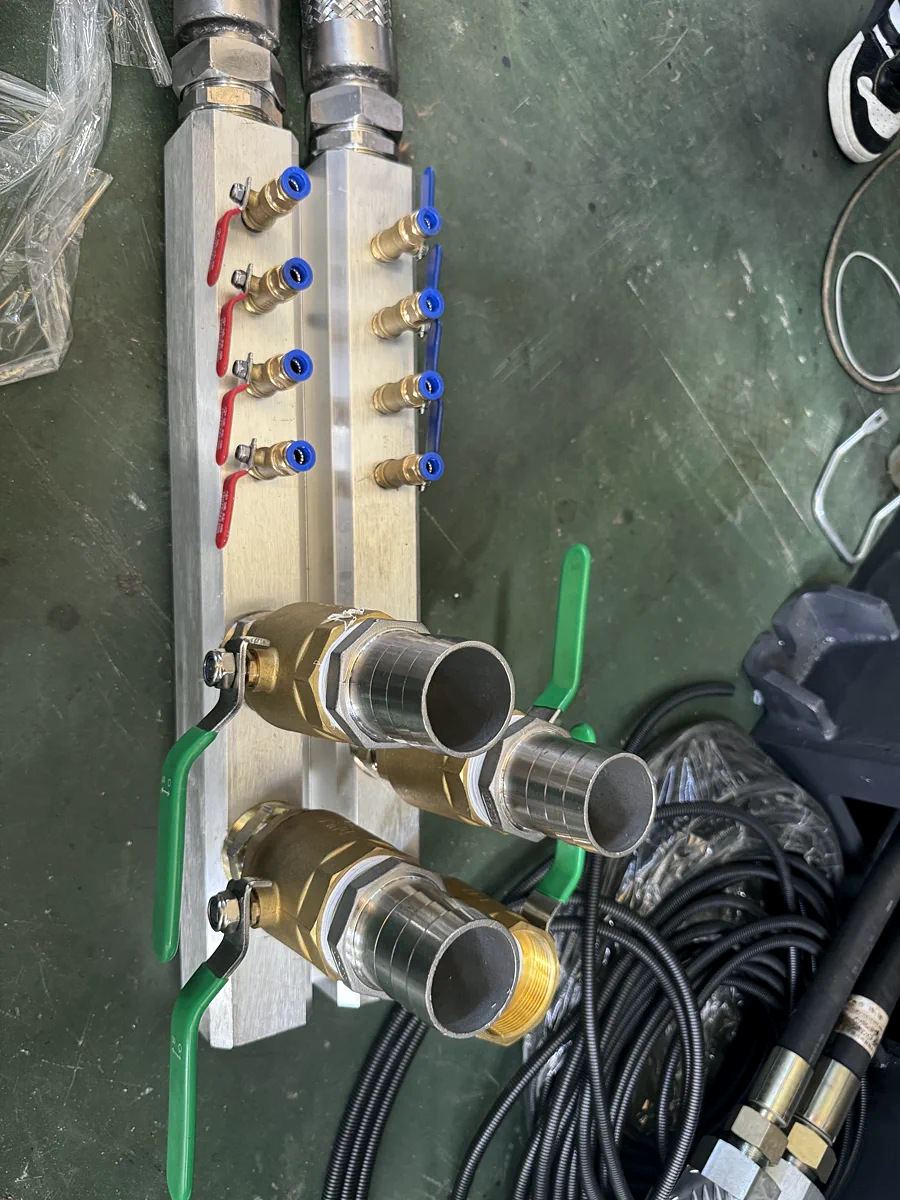
Connection-side detail for checking cable routing and maintenance access.
Project controls
01
Visually similar parts can differ in critical dimensions, material, treatment and interfaces.
02
Review alignment, control, cooling and assembly together with the damaged-part replacement.
03
Shipment-ready components, drawings and service information support replacement work at the buyer's plant or chosen local service location.
Page-specific RFQ
Send part identity, drawings or measured information and failure context. The first response defines the compatibility-review path and the inputs used for final pricing.
Buyer questions
The review covers documented neck rings, cores, cavities, lock rings, valve pins, heaters, thermocouples, nozzles, seals and related components. Each item is matched individually to the supplied platform, drawing and interface data.
Photographs begin identification, while controlled dimensions, drawings, part references, mating interfaces, material or treatment information and an agreed inspection basis complete the supply specification.
The practical route is documented replacement components or a locally executable solution, which avoids the freight, customs and handling burden of shipping a complete mold internationally.
Record failure mode, affected cavities, operating conditions, alignment, mating parts, cooling, control and assembly history so the replacement addresses both the component and its operating cause.
Next decision
Core decision
Core decision
Technical decision
Technical decision
Core decision
Core decision