Appearance is a defined acceptance item
The buyer can state relevant clarity, color, contamination, gate and visible-surface expectations for the approved package.
Cosmetic and personal-care packaging
Treat appearance, color and pump or closure fit as acceptance inputs from the start.
A cosmetic bottle preform mold program may prioritize clarity, color consistency, gate condition, closure fit and SKU flexibility differently from a high-volume water program. The approved appearance sample can matter as much as cavity count.
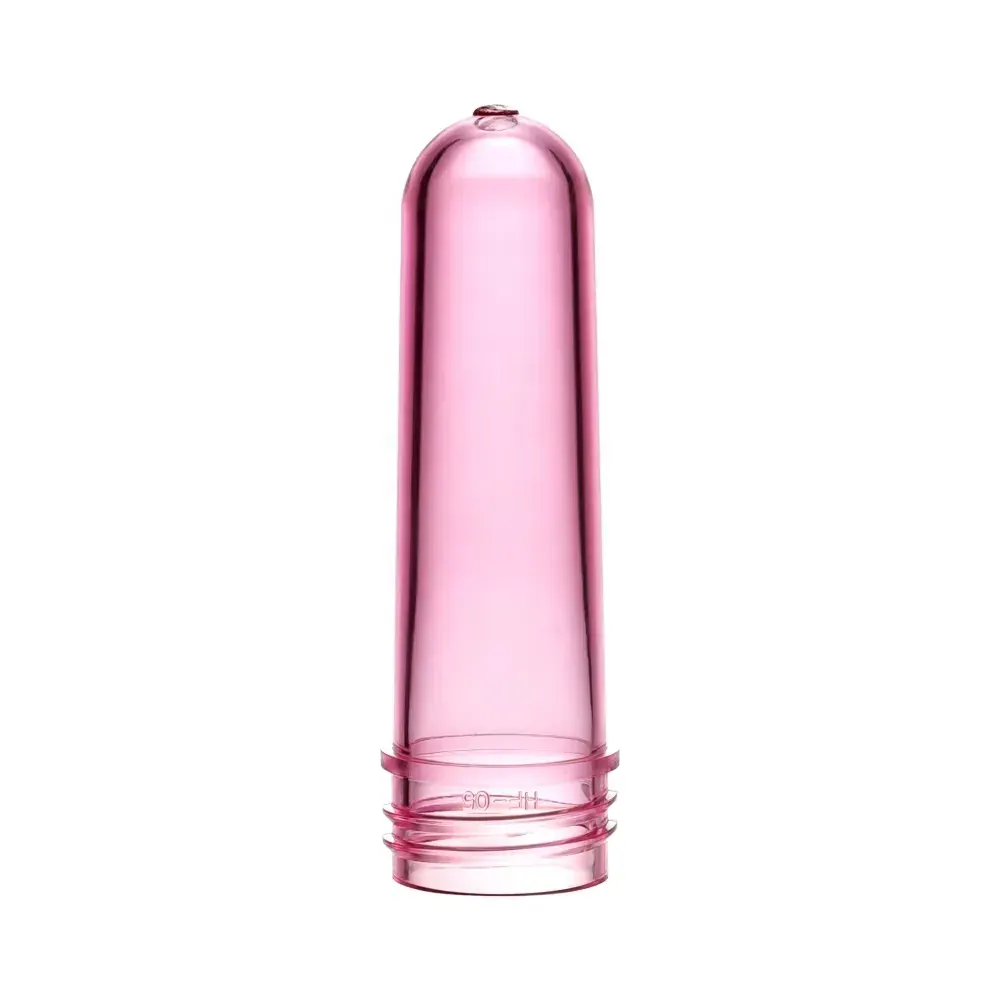
The photograph shows a real colored cosmetic PET preform. The approved color, resin, bottle and pump or closure system define the production and appearance standard.
Visual
Color, clarity and gate
Closure
Pump, sprayer or cap fit
Program
SKU volume and changeovers
Material
Formula compatibility defined
Application fit
A strong application match exists when visible quality, closure variety or smaller SKU programs are central to the decision.
The buyer can state relevant clarity, color, contamination, gate and visible-surface expectations for the approved package.
Neck, cap, pump or dispenser drawings and samples can be reviewed together.
The production plan includes color, weight, neck or product changes and the buyer needs to balance flexibility with cavity and changeover burden.
Part program
This application review connects the buyer's container, preform, closure, production and equipment information to a focused mold proposal. Approved drawings and samples finalize the geometry, interfaces and acceptance basis.
View imageFilled product
Product formula and the agreed packaging-compatibility responsibility
Bottle
Approved shape, capacity, visual sample and decoration boundary
Preform
Approved drawing, weight, resin, color or clarity target
Dispensing system
Pump, sprayer, cap or closure drawing and physical sample
Visual standard
Approved color, clarity, gate and appearance sample under stated lighting
SKU plan
Volume by SKU, color change, neck variants and changeover pattern
Equipment
Injection and blowing machines plus any downstream assembly constraint
Product-specific priorities
These priorities connect the part, cavity choice, machine fit and acceptance method to one application-specific proposal.
01
Translate premium, clear or amber expectations into a physical or documented visual standard with agreed lighting and viewing conditions.
02
Define resin, masterbatch, additive and cleaning or changeover expectations when the same platform serves multiple colors or SKUs.
03
The actual component sample and neck drawing should control fit, sealing, dip-tube clearance and downstream assembly.
04
A lower cavity count or dedicated insert strategy may be more valuable when volumes are divided among colors, necks or frequent changeovers.
Mold, cavity and machine
Select cavities from SKU-level demand, changeover losses, approved preform weight and the exact machine. The strongest cavity choice balances production capacity with color and product changeover efficiency.
Use approved sample references and name the relevant visible conditions, such as gate appearance, contamination, haze, color consistency or surface marks. Translate cosmetic quality into a clear sample viewing, identification and approval method for the actual resin and color program.
A pump, sprayer or cosmetic cap can introduce specific thread, seal, tamper and support-ring details. Provide controlled drawings or samples and record downstream assembly equipment. The complete neck specification captures the dispensing interface beyond its nominal diameter.
Estimate production by SKU, changeover frequency, color-cleaning needs and stock policy. A smaller or more flexible mold direction can be commercially stronger than maximum cavity count when individual product volumes are low or frequent changes create significant downtime.
Select cavities from SKU-level demand, changeover losses, approved preform weight and the exact machine. The strongest cavity choice balances production capacity with color and product changeover efficiency.
Compare Cavity OptionsShot and plasticizing for each approved preform and resin
Color-change and material-handling procedure
Mold, runner and cooling access for maintenance
Blowing and pump or closure assembly interfaces
| Decision factor | What to check | Why it changes the project |
|---|---|---|
| Package appearance | Color, clarity, visible defects, gate location and approved sample standard | Creates an objective visual discussion rather than the word premium. |
| Product compatibility | Filled formula, resin or additive approval and required package testing | Keeps material compatibility responsibility with verified project data. |
| Neck and dispenser | Cap, pump, sprayer or closure drawing, sealing and line interface | Ensures neck components match the actual dispensing system. |
| SKU plan | Weights, colors, necks, volumes, changeover frequency and common-component strategy | Supports a mold and cavity choice that balances product variety, peak volume and changeover efficiency. |
| Visual trial evidence | Approved samples, lighting or review method, cavity traceability and defect records | Turns subjective appearance expectations into an agreed acceptance path. |
Trial and acceptance
The sample plan follows the approved part and application. Traceable samples, recorded test conditions and agreed inspection methods turn life, cycle and quality goals into a clear acceptance path.
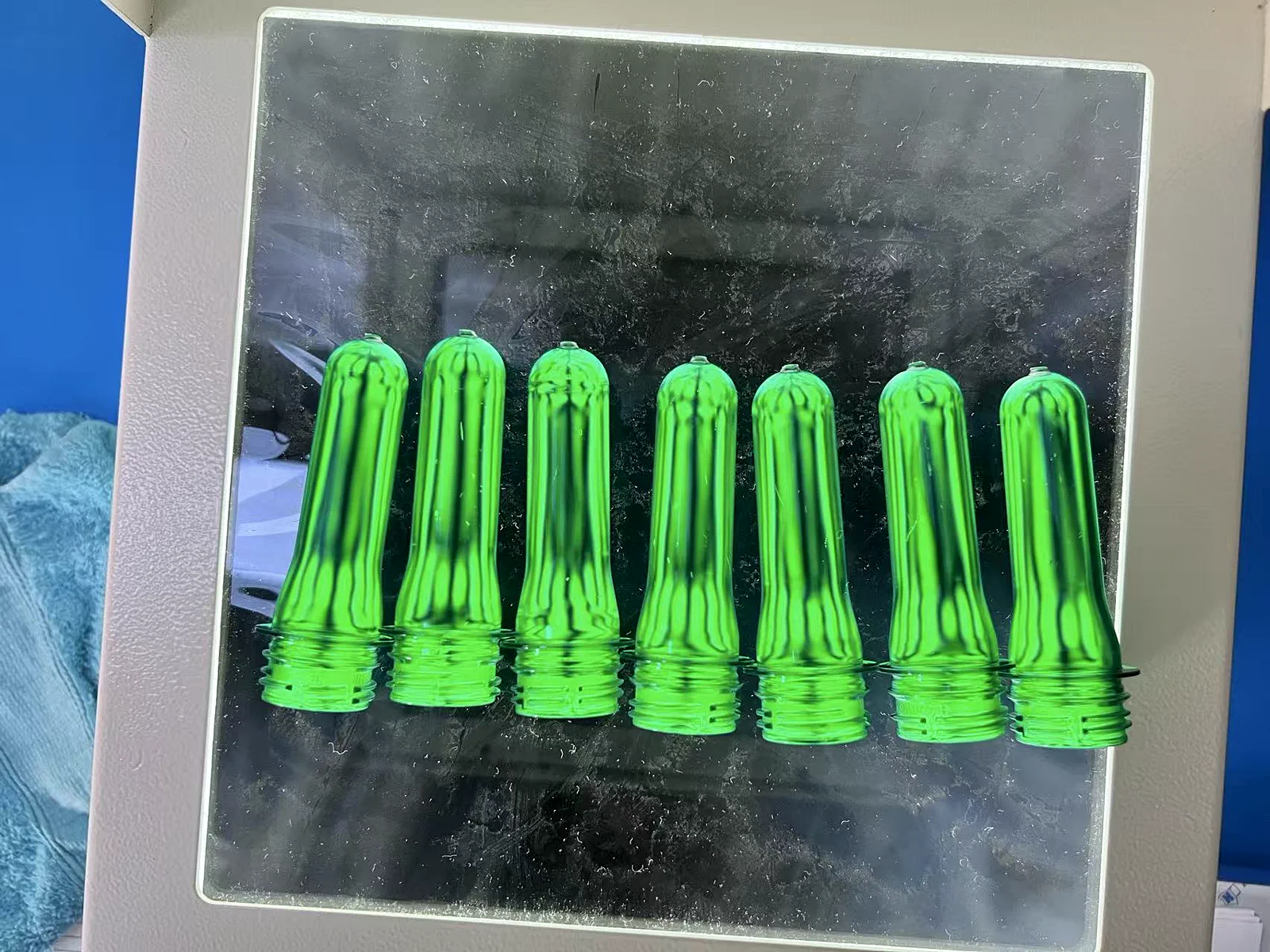
Compare cavity-identified samples with the approved visual standard under the agreed inspection condition.
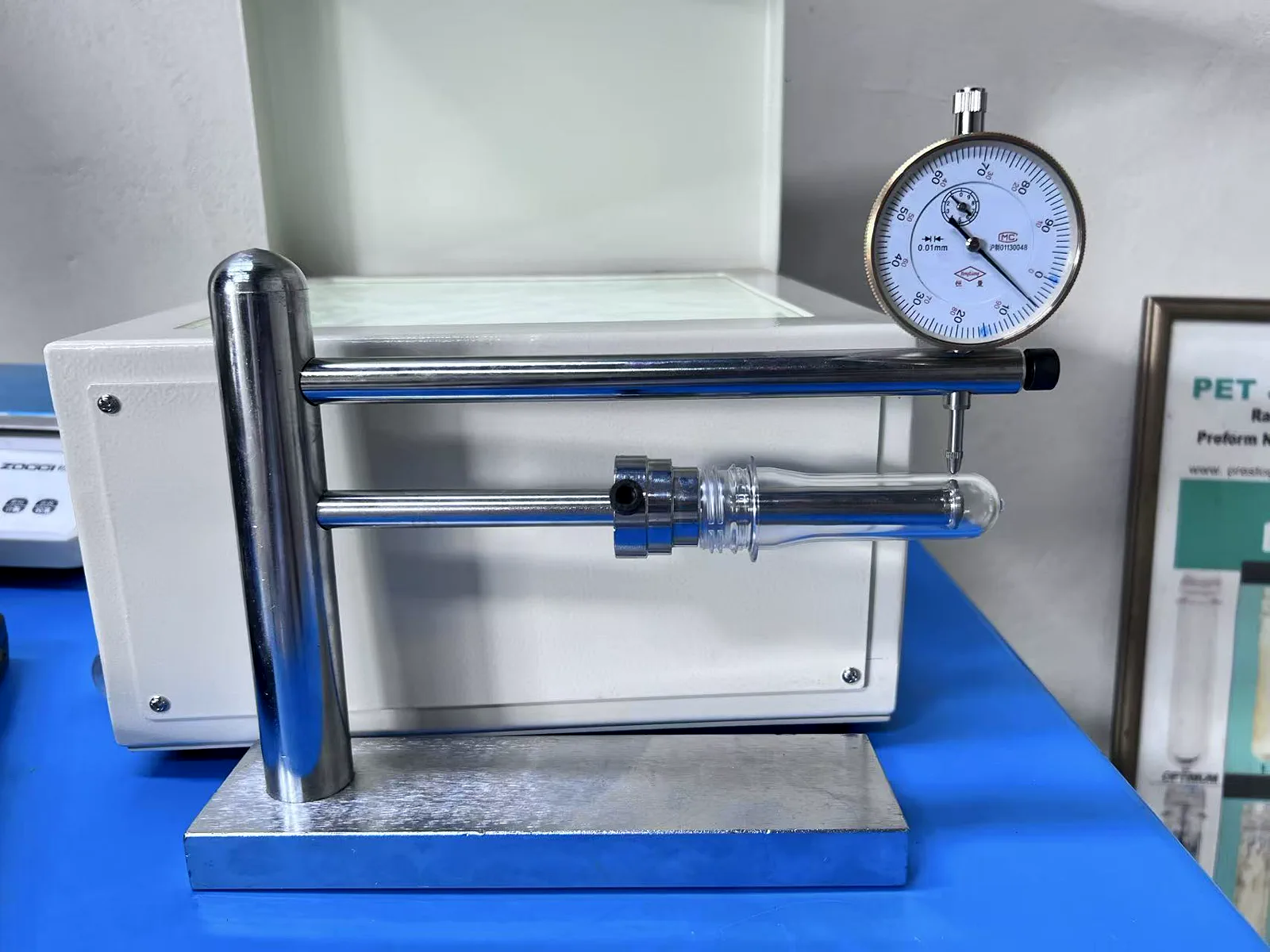
Check the actual pump, sprayer or closure component against the approved neck geometry.
Record gate, contamination, visible molding and surface observations for the agreed sample plan.
When multiple colors or SKUs are in scope, define cleaning, sample approval and production-release responsibility.
 View image
 View image
An approved sample and review method align the buyer and supplier on the same appearance standard.
Late closure changes can require component, drawing and trial revisions.
Changeovers and inventory can consume the theoretical output advantage.
Application RFQ
Send the cosmetic package, dispenser and visual acceptance context together. Include SKU volumes so cavity and flexibility can be evaluated commercially.
What happens next
Buyer questions
The answers define the decision method. Exact material, performance, cavity and acceptance values remain tied to the approved project.
Use approved resin, color and sample references, define relevant visible defect categories, identify cavities and agree the viewing, sampling and approval method.
The dispensing closure determines the detailed neck, sealing, support and tamper interfaces reflected in the neck and mold components.
Select it from SKU volume, part weight, changeovers, color plan, machine, appearance inspection and total economics.
Use source-confirmed cosmetic or daily-chemical preforms, relevant pumps or closures, finished bottles, approved appearance references and a clear validation responsibility.
Next decision
Core decision
PET Preform Mold for Bottle ProductionCore decision
PET Preform Mold ApplicationsApplication decision
PET Jar and Wide Mouth Preform MoldTechnical decision
PET Preform Mold Neck Finish OptionsCore decision
Hot Runner PET Preform MoldTechnical decision
PET Preform Mold PartsCore decision
PET Preform Mold Quotation