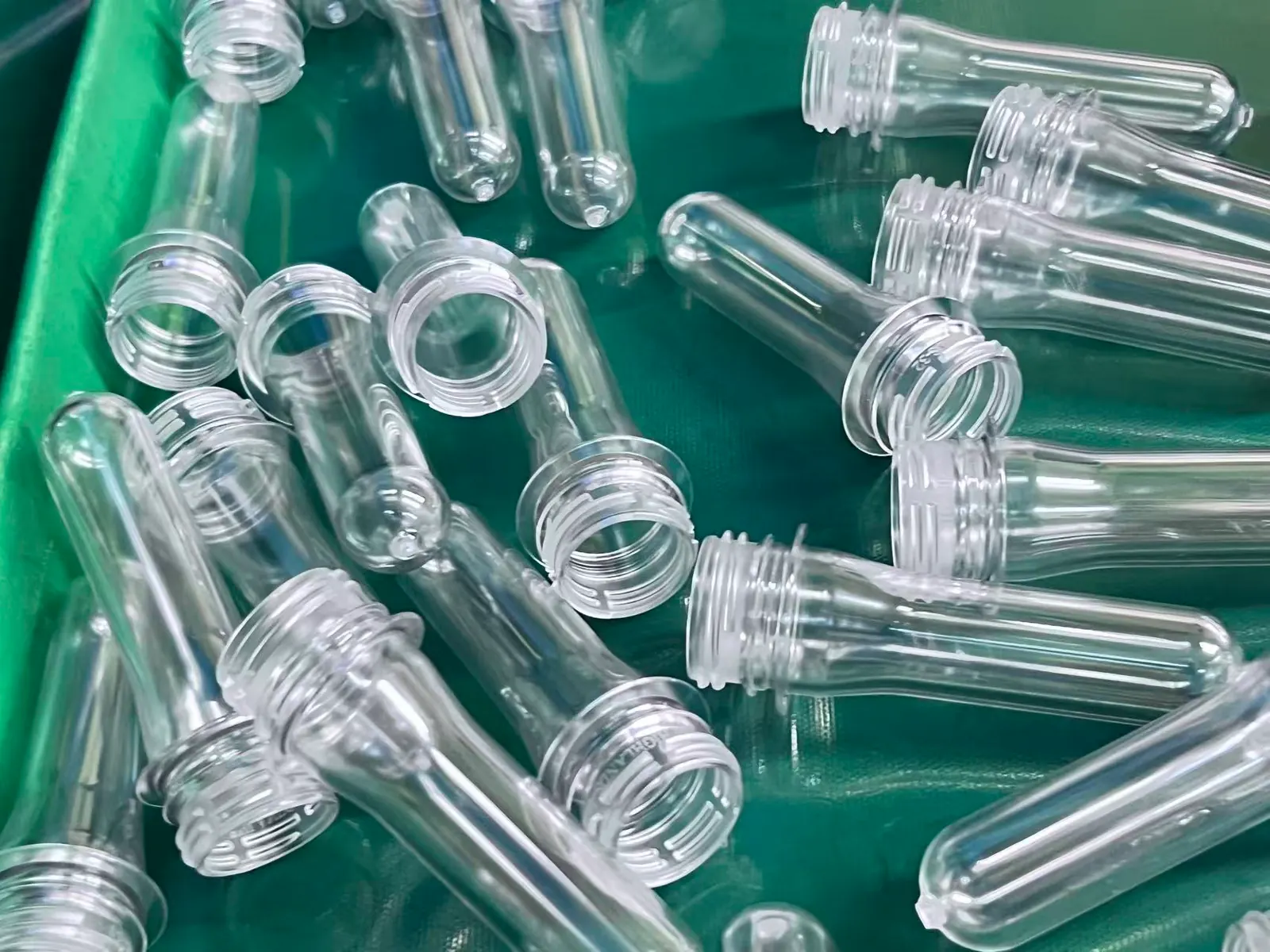
Still-water preform program
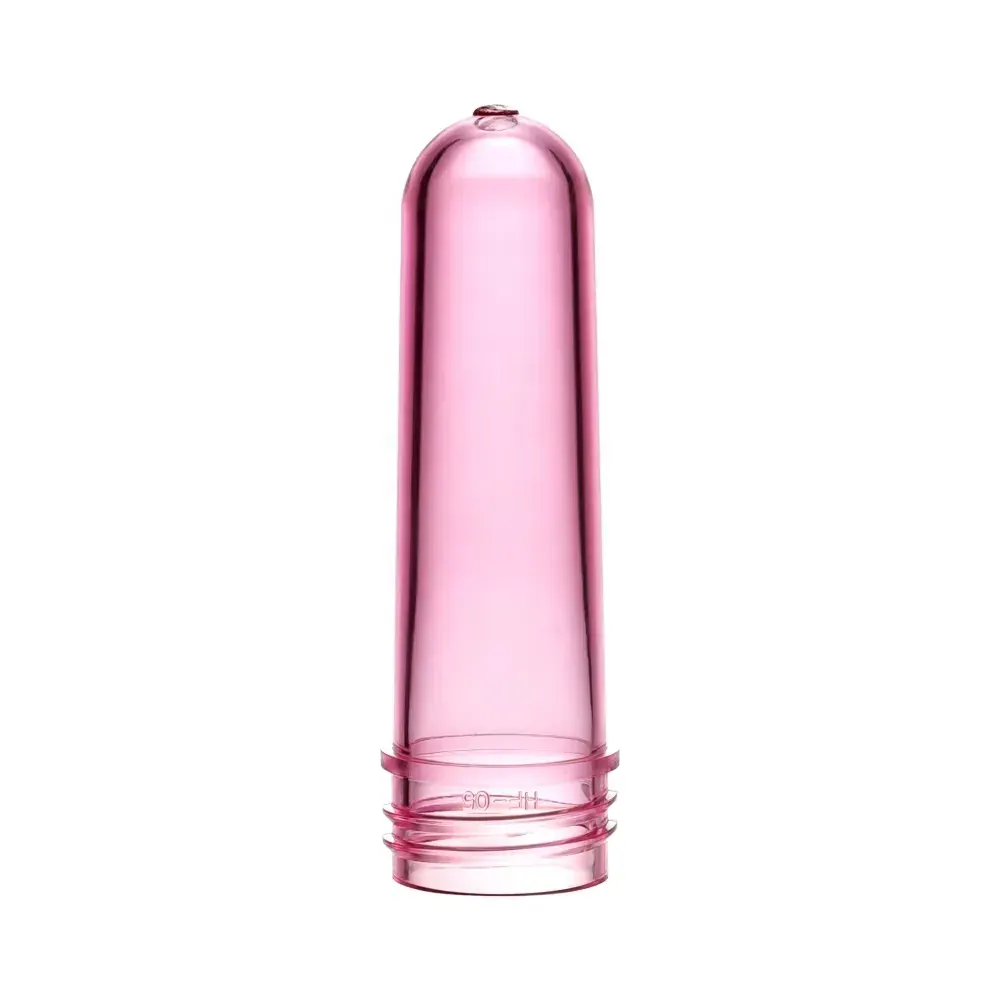
Water Bottle Preform Mold
Build the mold around the approved preform and required line output.
Part basis: Approved lightweight preform
Closure: Neck and cap reviewed together
Output: Cavity selected from useful demand
Bottle application selector
Choose the mold path from the complete bottle, preform, closure and filling program.
Water, beverage, oil, cosmetic, large-container and wide-mouth projects can change part mass, neck geometry, cavity realism, machine demand and acceptance evidence.
Choose the product path
Each page below owns a different buyer decision. Select the closest program, then use the project drawing and samples to replace any remaining category assumptions.
Start with the broad PET preform mold page when the bottle application is still open. For jars and large openings, continue directly to the PET jar preform mold review.
Still-water preform program
Build the mold around the approved preform and required line output.
Part basis: Approved lightweight preform
Closure: Neck and cap reviewed together
Output: Cavity selected from useful demand
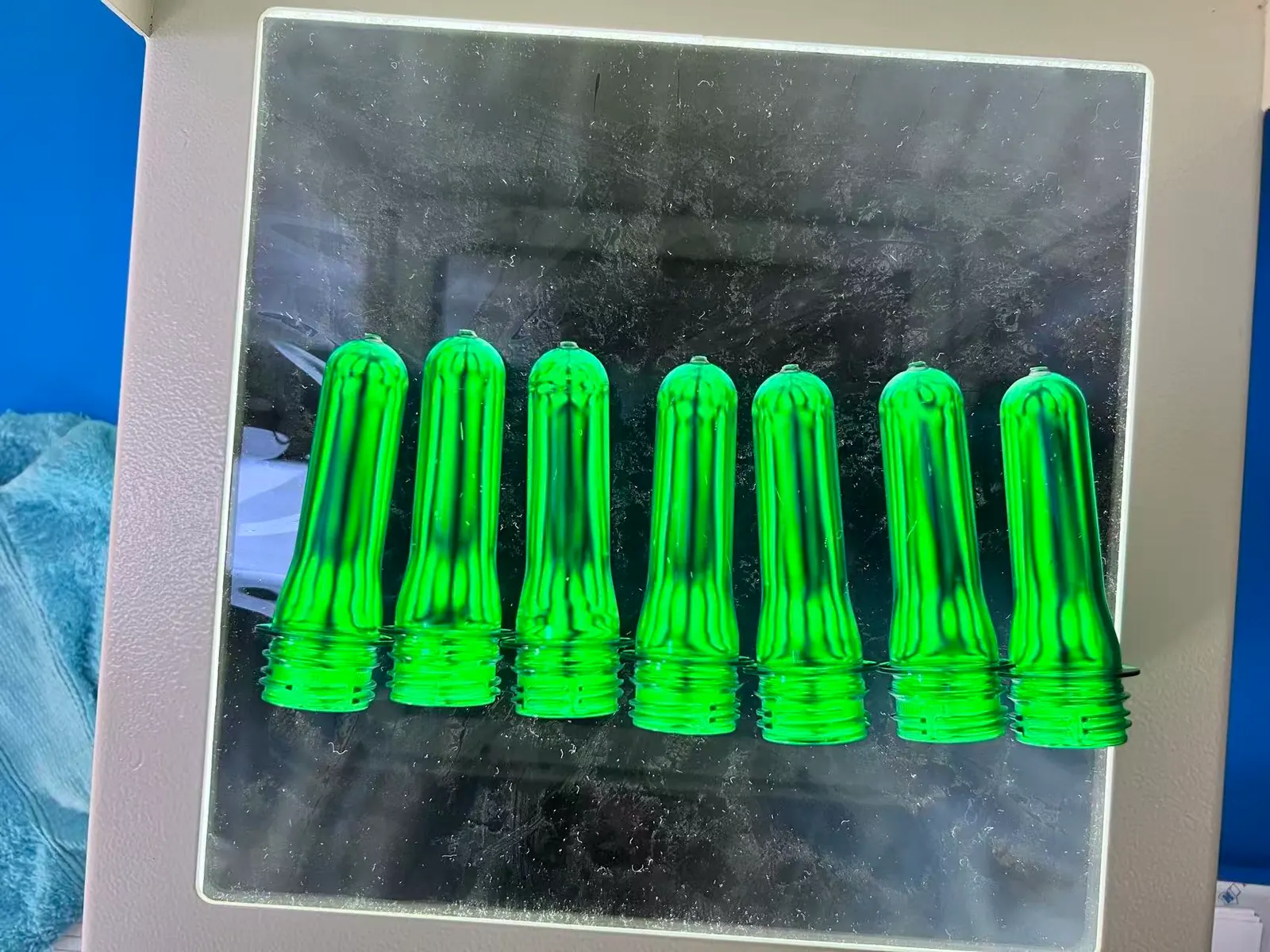
Beverage performance program
Define the drink and filling condition before treating the preform as a beverage part.
First input: Drink and filling condition
Bottle duty: Still, pressure or heat exposure
Closure: Neck and cap system
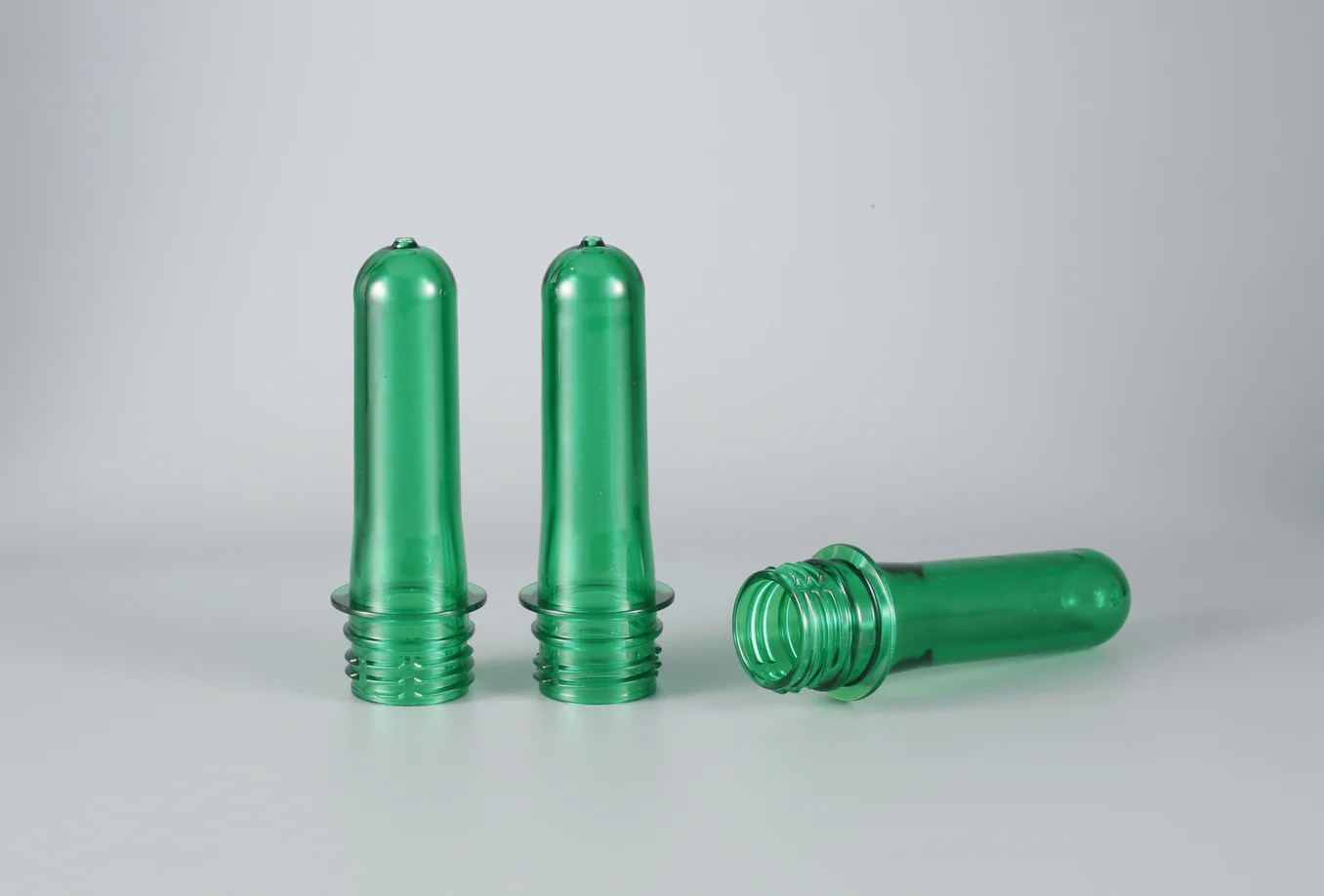
Carbonated beverage bottle program
Quote the complete pressure-bearing bottle and closure system.
Application: Carbonated soft drink
Neck system: PCO 1810, PCO 1881 or drawing
Output basis: Saleable preforms per hour
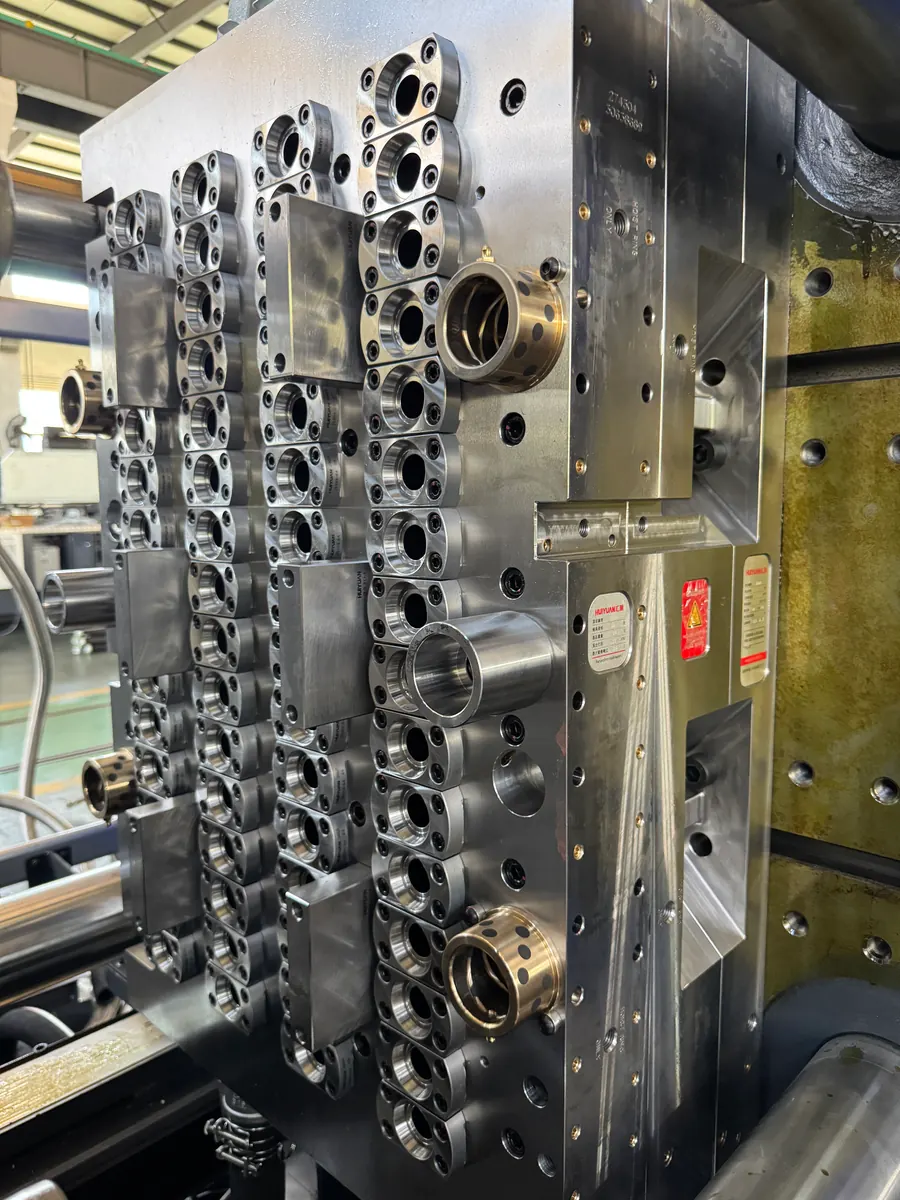
Edible-oil packaging program
Calculate the heavier preform, closure and bottle geometry before selecting cavities.
Part mass: Often heavier than water
Bottle form: Grip or handle if applicable
Closure: Leak and cap compatibility
Cosmetic and personal-care packaging
Treat appearance, color and pump or closure fit as acceptance inputs from the start.
Visual: Color, clarity and gate
Closure: Pump, sprayer or cap fit
Program: SKU volume and changeovers
Large-container preform program
Match the heavy part, exact injection unit and handling system before choosing a cavity count.
Part: Large and heavy preform
First check: Exact injection unit
Cavity: Kept open until calculation
Wide-mouth PET jar program
Freeze the jar opening and lid system before fixing the neck stack or cavity count.
Opening: Drawing-defined wide mouth
Closure: Lid and seal reviewed together
Layout: Neck geometry affects spacing
Application pages use real mold, preform and inspection photographs selected to match the buyer decision. Project drawings and samples define the final supplied configuration.
Application comparison
| Application | First decision | Mold and machine focus | Acceptance boundary |
|---|---|---|---|
| Water bottle | Lightweight target and useful line output | Cavity balance, cooling, neck and cap | Weight by cavity, neck, gate and bottle boundary |
| Beverage bottle | Choose water, CSD or juice from the fill condition | Route to the correct bottle and closure program | Application-specific responsibility and evidence |
| Carbonated beverage | CSD pressure basis and PCO closure package | Approved preform, cavity system and exact machine | Traceable preforms plus assigned bottle tests |
| Oil bottle | Heavier shot, grip or handle and closure | Realistic cavity count, cooling and machine recovery | Weight, closure, leak and transport responsibility |
| Cosmetic bottle | Appearance, color and dispensing closure | Surface condition, changeovers and neck precision | Visual standard, color, closure fit and decoration boundary |
| 5 gallon | Heavy part and exact injection platform | Shot, plasticizing, cooling, opening and handling | Heavy-preform trial and downstream bottle responsibility |
| Wide mouth / PET jar | Complete neck and lid geometry | Neck-stack spacing, mold envelope and service access | Preform, lid fit, sealing and jar validation boundary |
Common project inputs
Each application page narrows the questions and connects the approved bottle, preform, closure and equipment basis to the mold proposal.
Finished bottle drawing and filled-product condition
Approved preform drawing, weight, resin and color
Neck and closure drawing or controlled sample
Required saleable output and operating calendar
Exact injection and blowing machine information
Trial samples, bottle tests and approval responsibility
Application RFQ
Describe the bottle program first. The review then organizes the drawing, neck, output, machine and evidence details required for the next step.
Buyer questions
Application gives context to weight, neck and closure, filling conditions, appearance, bottle tests, production volume and the realistic cavity and machine direction.
They share core mold inputs, while the approved bottle and filling requirements create distinct application paths. Carbonated use adds its pressure-related bottle design and validation basis.
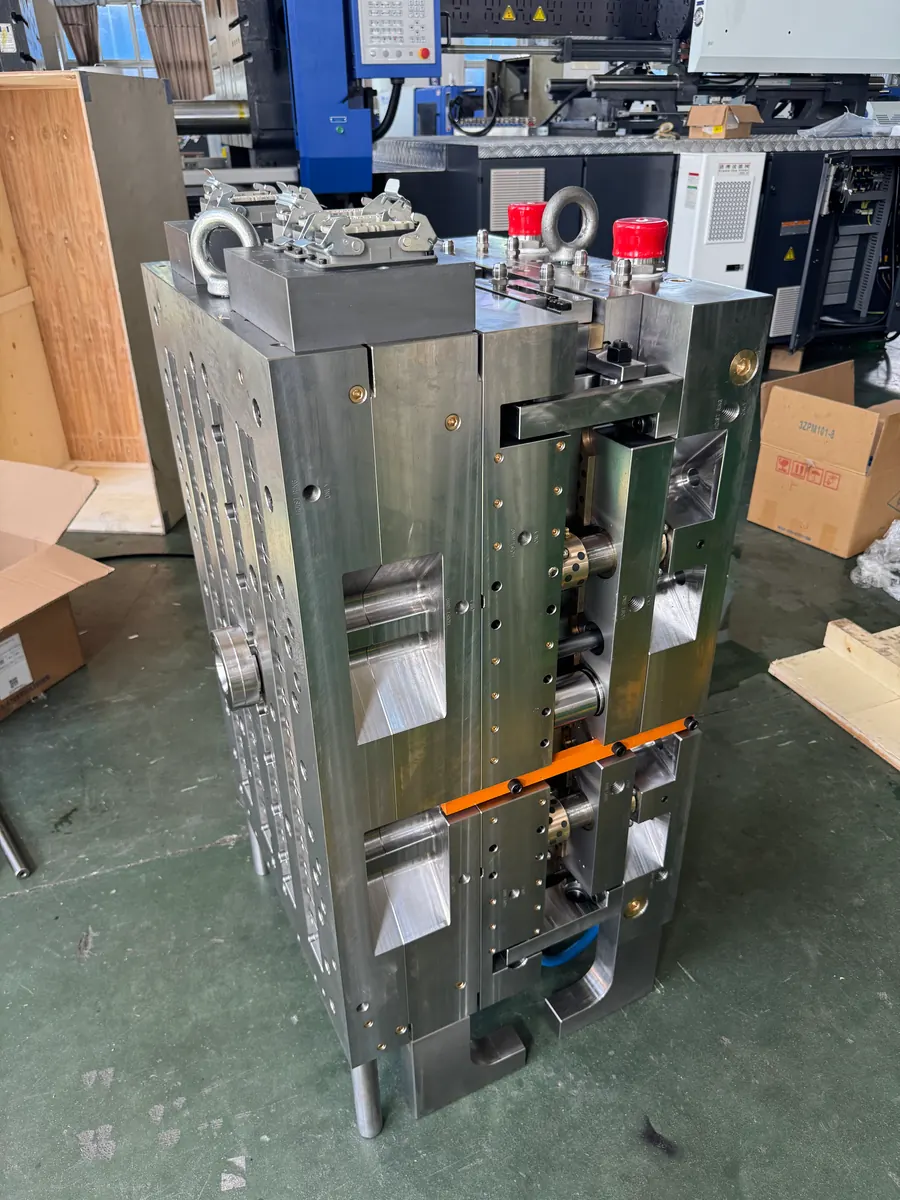
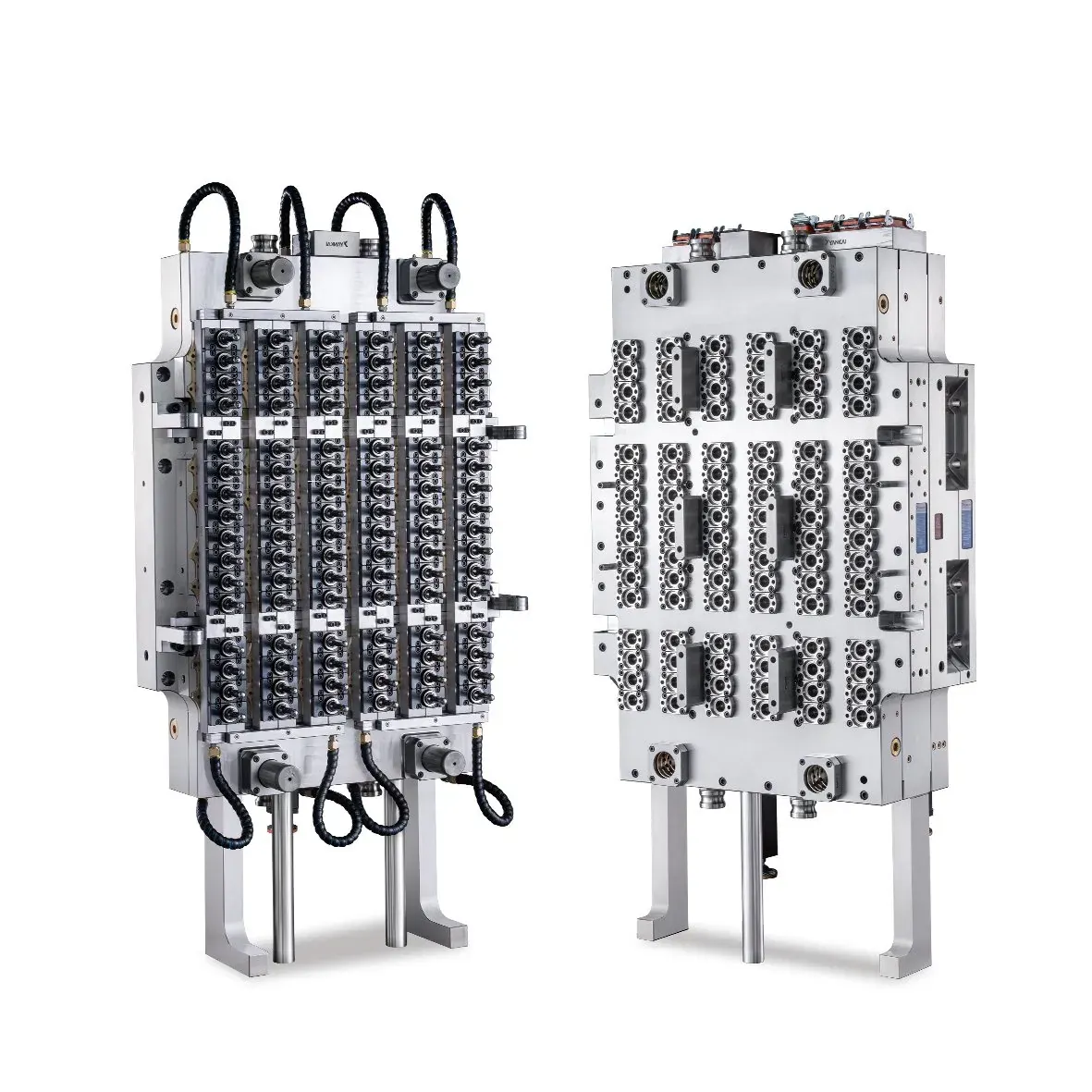
Request source-confirmed preform, closure and bottle samples relevant to the application, plus the drawing, trial basis and responsibility for downstream bottle validation. A generic mold photograph is only a configuration reference.
Use the application page when bottle use drives the open questions. Use the broad product page when the main decision is the complete mold configuration and quotation boundary.