01
Controlled neck source
Standard name, drawing source and revision are visible in the quotation.
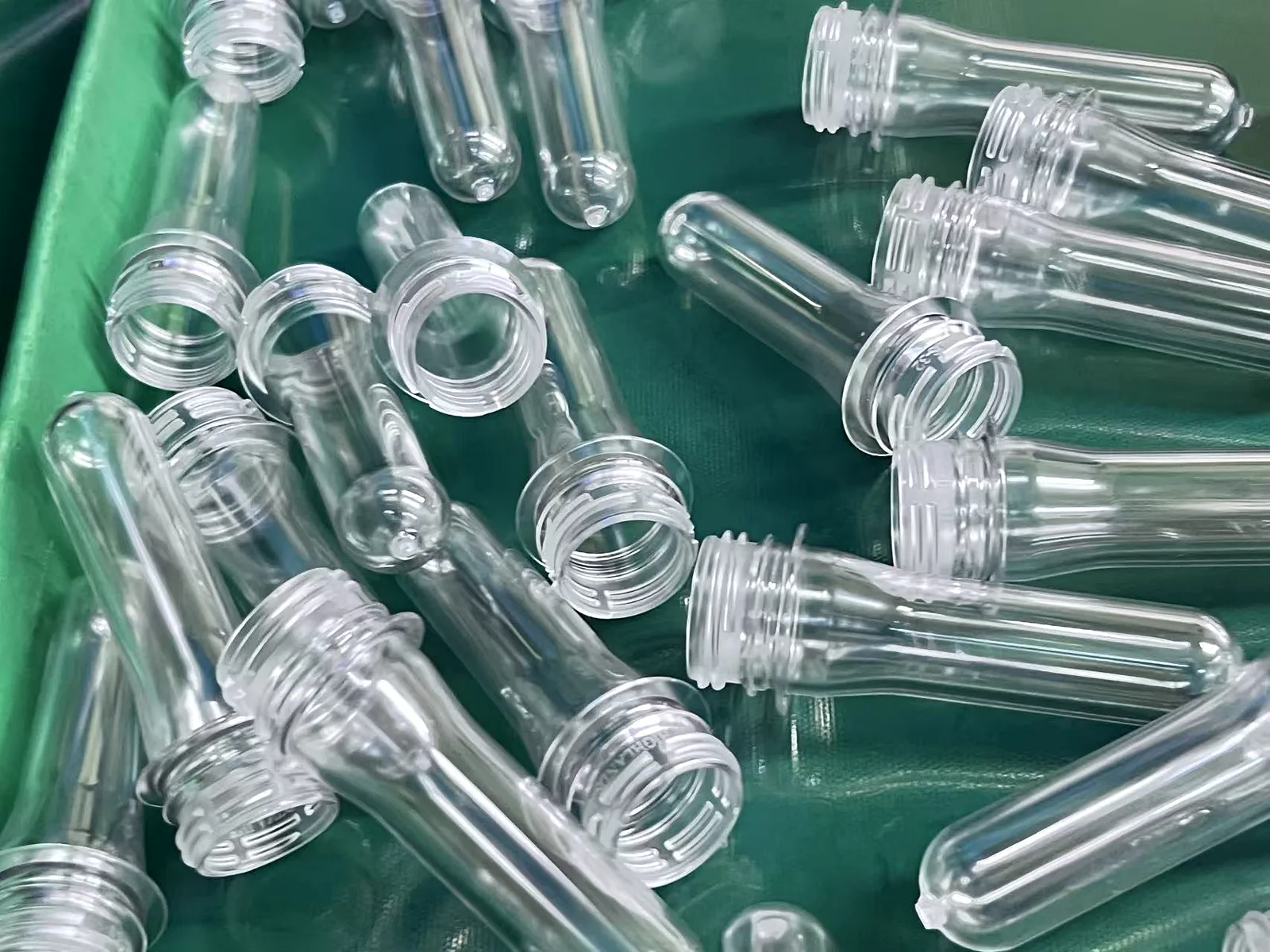
PET preform mold neck finish
Which PET preform neck finish connects the mold to the approved closure and filling line?
The neck finish connects the preform mold to the closure, blowing process and downstream packaging line. Names such as PCO1810, PCO1881, 30/25, 29/25, 38 mm or 26 mm quickly identify a family. The controlled neck and cap drawings then define thread, sealing surface, support ring, tamper interface, key dimensions, material and revision as one complete package.
PCO1810 / PCO1881
ISBT1881
3025 / 2925
30/25 / 29/25 / 38mm / Alaska27
Enough information to start
Technical decision table
Keep the check, its reason and the resulting project decision visible in the same review. This prevents one keyword or one headline specification from replacing the technical basis.
| Decision factor | What to check | Why it changes the project |
|---|---|---|
| Standard identity | Neck family, issuing source, controlled drawing and revision | Prevents a familiar label from hiding a different dimensional or interface version. |
| Closure match | Cap, pump or lid drawing, sample, thread, seal and tamper features | Confirms the molded neck can mate with the actual closure system. |
| Mold components | Core, neck ring, lock ring, support features and replaceable component scope | Connects neck geometry to the physical mold parts and commercial boundary. |
| Downstream line | Blowing, filling, capping and handling interfaces | Aligns the closure pair with the production equipment. |
| Acceptance | Approved samples, selected measurements, cap fit, sealing and responsibility | Creates an executable method for confirming the neck and closure package. |
Project definition
A neck-family name speeds communication, while the quotation and mold approval reference the controlled drawing and revision. Record who issued the specification and which dimensions, interfaces and tolerances govern the project.
Review thread engagement, sealing surface, tamper feature, support ring and any liner or dispensing interface using approved documents or samples. Include capping equipment and filled-product conditions where relevant so the specified neck and closure operate as one package.
Changing the neck after quotation can affect core and neck-ring geometry, hot-runner or gate considerations, part weight, mold layout, trial samples, spare parts and timing. The change process should identify revised components, cost, evidence and responsibility before work proceeds.
Proposal scope
01
Standard name, drawing source and revision are visible in the quotation.
02
Cap or dispenser documents and samples are linked to the neck definition.
03
Core, neck ring, lock ring and service-part scope are identified.
04
Cap fit, sealing, line compatibility, samples and approval responsibility are stated.
Evidence
Each image highlights a decision point in construction, component scope, service access or trial evidence. The project drawing, quotation and trial record then convert that review into an approved specification.
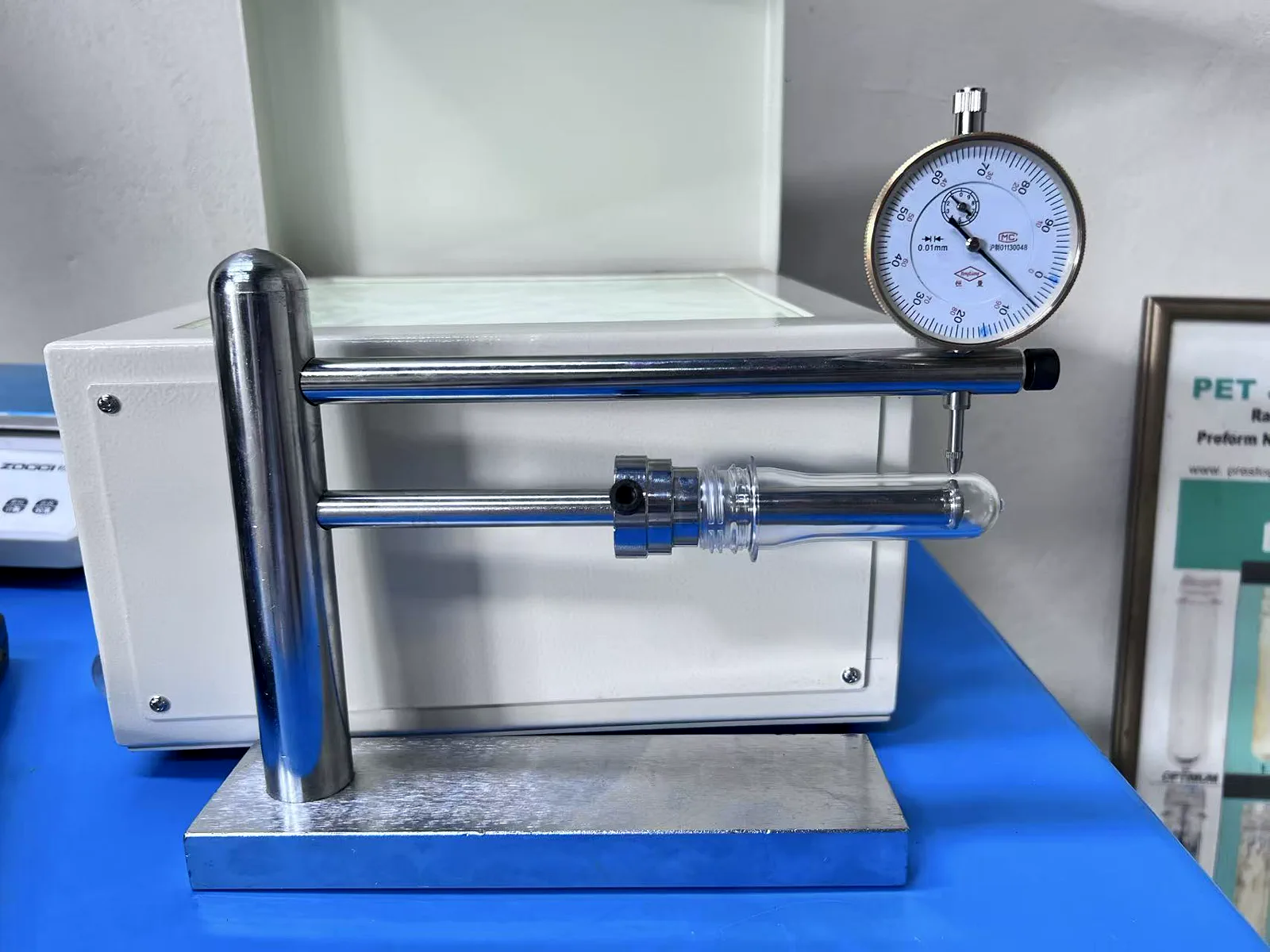
This photograph shows a preform being inspected with a measuring instrument. The controlled neck drawing, revision and sampling plan define the features and tolerances recorded during final checks.
These trial preforms make the molded neck and thread visible for comparison. Controlled drawings and the matching closure finalize the exact PCO1810, PCO1881, 30/25, 29/25, 38 mm or other neck identity.
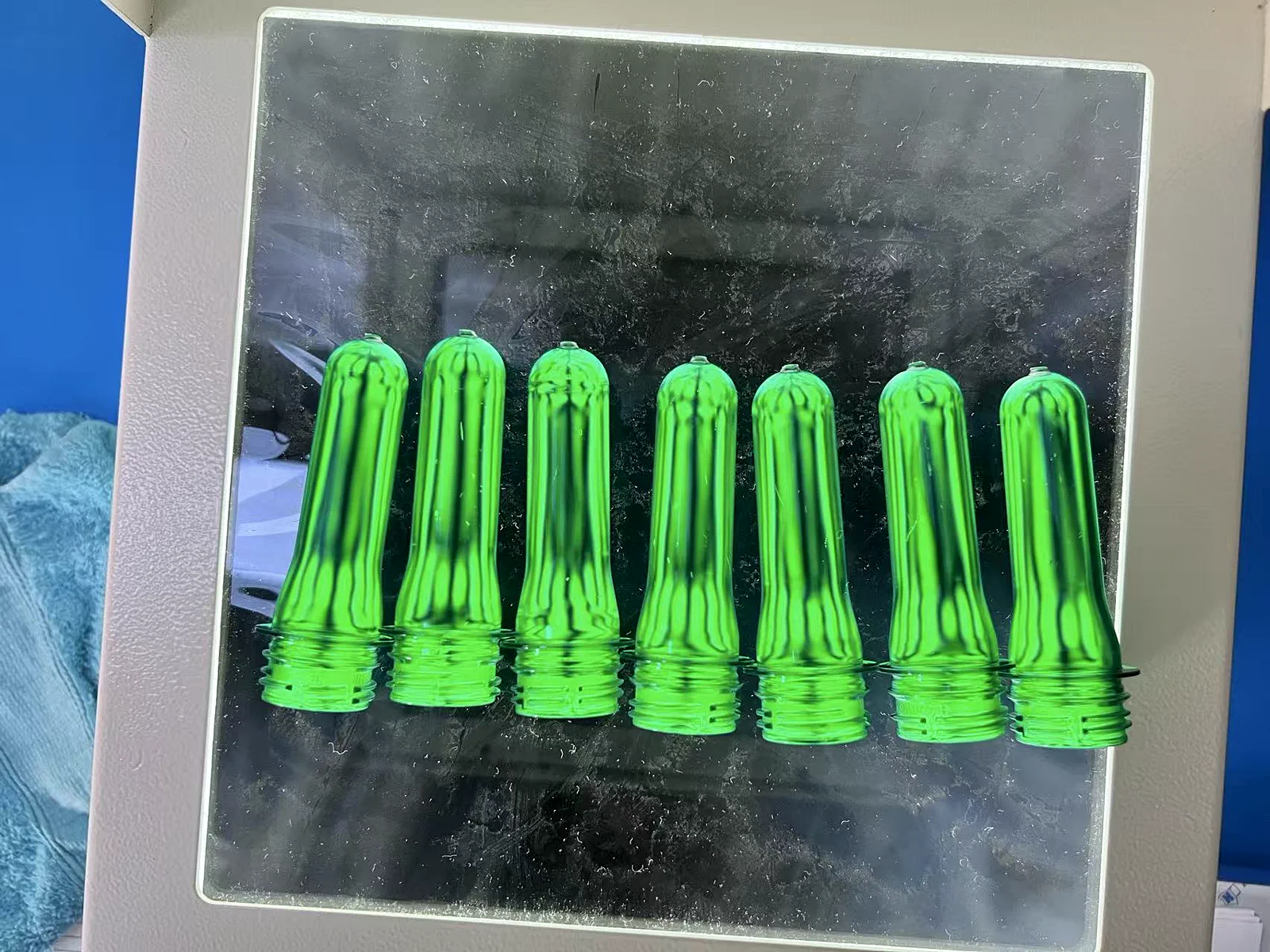
Trial preforms under polarized light for visual stress and consistency review.
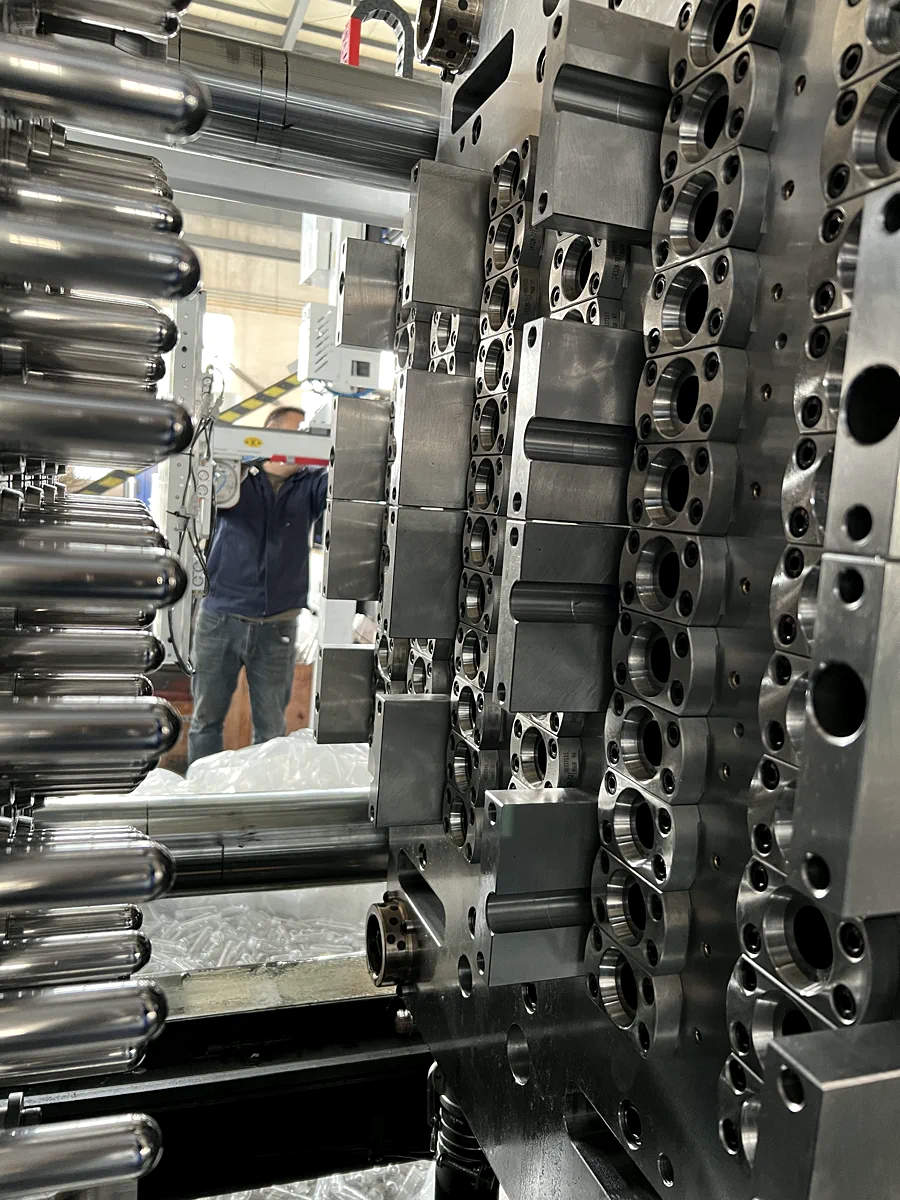
Open assembly detail showing access to the molding components.
Project controls
01
Different drawing sources or revisions can share similar language while using incompatible details.
02
Late closure information can force component, drawing, trial and commercial changes.
03
The current project document keeps buyers, closure data and mold design on the same revision.
Page-specific RFQ
Send the neck and closure as one controlled package. A standard name is helpful, but final review should use drawings or samples and the intended production line.
Buyer questions
Use the name to identify the correct controlled specification, then match the drawing source, revision, cap or closure, interfaces and project acceptance basis.
The thread, sealing, tamper and support interfaces function as a pair, so both components follow the same selected revision.
Core and neck-ring geometry, lock or support features, service parts, part weight, layout and trial scope may change. The exact impact depends on the old and new drawings.
Authoritative, controlled and licensed specifications give project work the correct dimensions, terminology and revision.
Next decision
Core decision
Application decision
Application decision
Application decision
Technical decision
Core decision