The exact machine is identified
Model, year or configuration and the current technical sheet are available rather than only a brand or tonnage label.
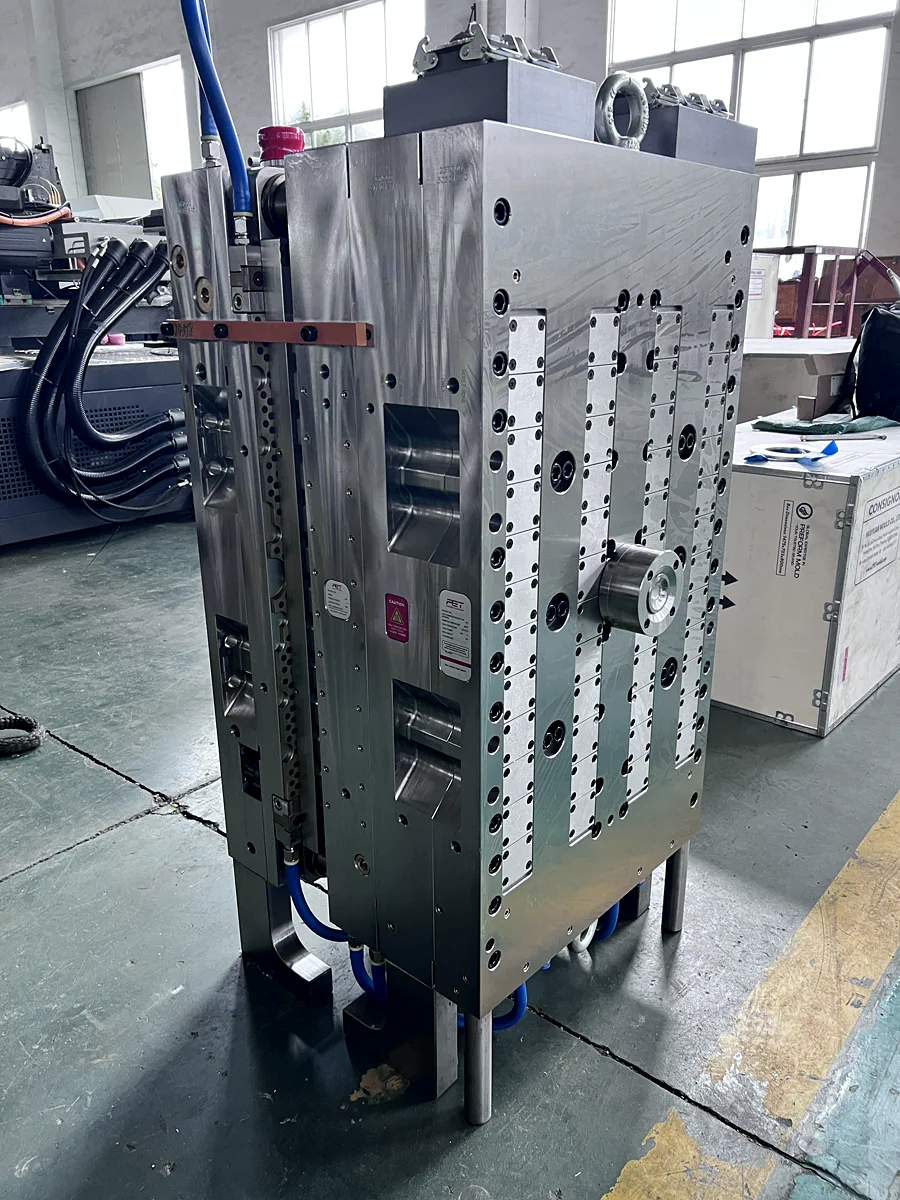
PET preform mold machine compatibility
Will the proposed PET preform mold physically fit and technically run on my exact injection machine?
PET preform mold machine compatibility combines the approved preform and cavity count, total shot and plasticizing demand, proposed mold dimensions, platen and tie-bar data, mold-height range, opening and take-out movement, mounting, hot-runner controller zones, electrical and actuation interfaces, cooling connections and plant utilities. The exact machine technical sheet turns these checks into a written mold-fit conclusion.
Machine model required
Tie-bar and platen check
Shot weight and mold height
Hot runner controller review
Project fit
Use this page before final cavity selection, order or installation whenever the machine already exists or a candidate platform is being compared.
Model, year or configuration and the current technical sheet are available rather than only a brand or tonnage label.
Cavity, part, total shot, dimensions, mold height, opening, controls, cooling and actuation requirements can be compared.
The buyer wants a written list of machine, mold, controller, utility and take-out responsibilities before order.
Start with a supported platform range, then connect the exact machine and mold data to the final fit statement.
Machines with similar tonnage can differ in shot, platen, tie bars, mold height, stroke, controls and utilities.
Changes to count, weight or neck can alter total shot, mold envelope, runner zones and cooling demand.
Enough information to start
Technical decision table
Keep the check, its reason and the resulting project decision visible in the same review. This prevents one keyword or one headline specification from replacing the technical basis.
| Decision factor | What to check | Why it changes the project |
|---|---|---|
| Injection capacity | Approved preform weight, cavity count, total shot, injection unit and plasticizing data | Confirms the machine can prepare and inject the required material under the project process basis. |
| Platen and tie bars | Proposed mold width and height, platen dimensions, tie-bar spacing and mounting pattern | Verifies that the mold can enter, mount and be supported physically. |
| Mold height and movement | Minimum and maximum mold height, opening stroke, daylight, ejection and take-out sequence | Confirms the machine can close, open and release preforms through the proposed operating movement. |
| Controls and power | Hot-runner zones, controller, connectors, voltage, alarms, valve-gate actuation and machine signals | Aligns the mechanically fitting mold with the electrical and control interfaces used for commissioning. |
| Cooling and plant utilities | Circuit demand, water conditions, connections, pneumatic or hydraulic supply and take-out equipment | Checks whether plant services support the process assumptions behind the mold proposal. |
Project definition
Start with preform weight, resin and cavity count to establish total shot and process demand. Working values support the first review, and each approved drawing, weight or cavity revision updates the final injection and thermal basis.
Compare proposed mold dimensions with tie-bar space, platen, mounting, mold-height range and machine access. Then review opening stroke, daylight, ejection, preform release and take-out so the complete operating sequence is covered from installation through production.
List each electrical, control, cooling, pneumatic, hydraulic and mechanical connection, with an owner and supplied component. State controller zones, cables, connectors, voltage and machine signals. This schedule lets the buyer identify adapters or plant work before the mold arrives.
Proposal scope
01
Fit references the model and technical sheet for the intended machine configuration.
02
Dimensions, total shot, height, opening, zones, utilities and take-out are stated.
03
Controller, connectors, cooling, actuation, mounting and buyer-supplied work have owners.
04
The compatibility result records the supported configuration, required adaptations and project assumptions.
Evidence
Each image highlights a decision point in construction, component scope, service access or trial evidence. The project drawing, quotation and trial record then convert that review into an approved specification.
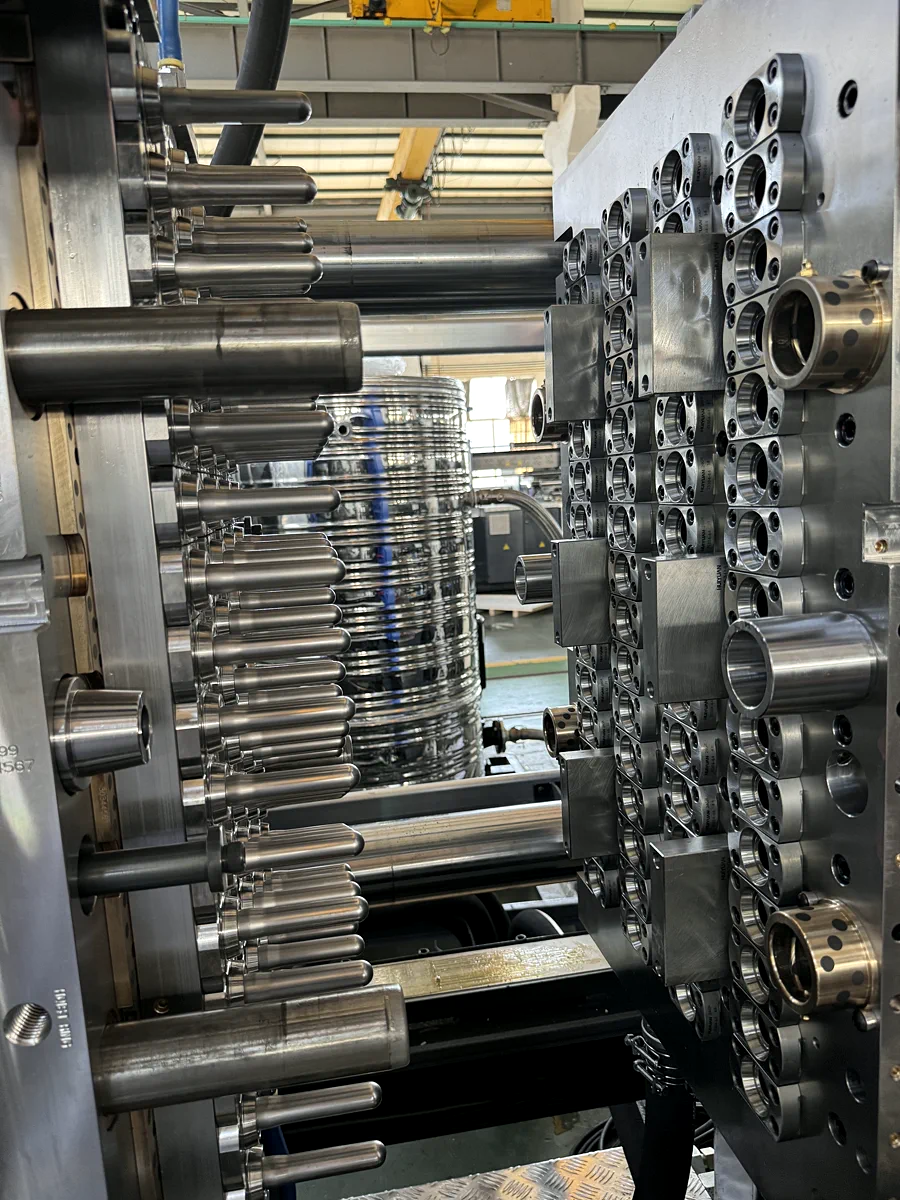
This photograph shows an open multi-cavity mold in machine context, highlighting envelope, opening, take-out and access checks. The exact machine technical sheet and proposed mold drawing complete the buyer's fit review.
The trial photograph illustrates commissioning across machine movement, cooling, control and handling interfaces. A written comparison links the buyer's exact machine to the proposed mold configuration.
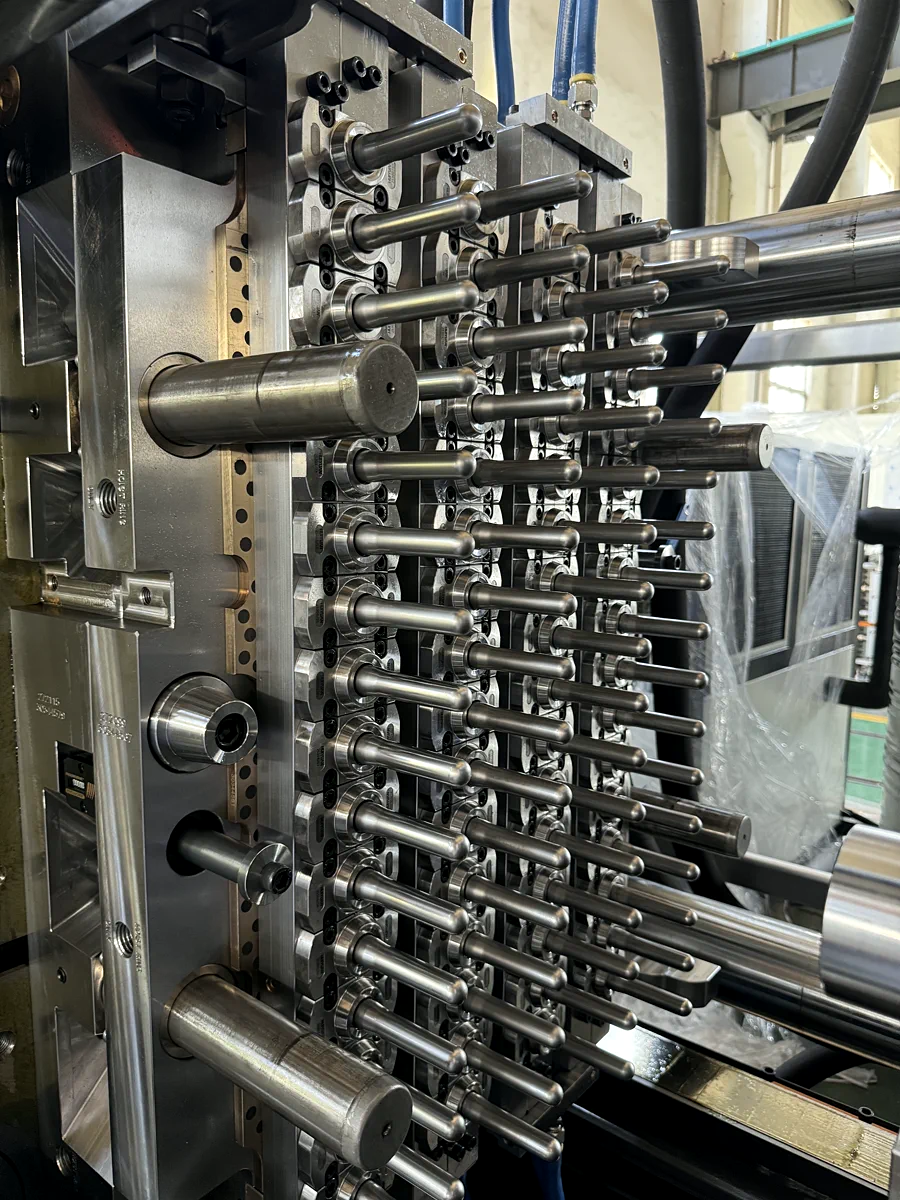
Core-side close-up for checking alignment, finish and assembly condition.
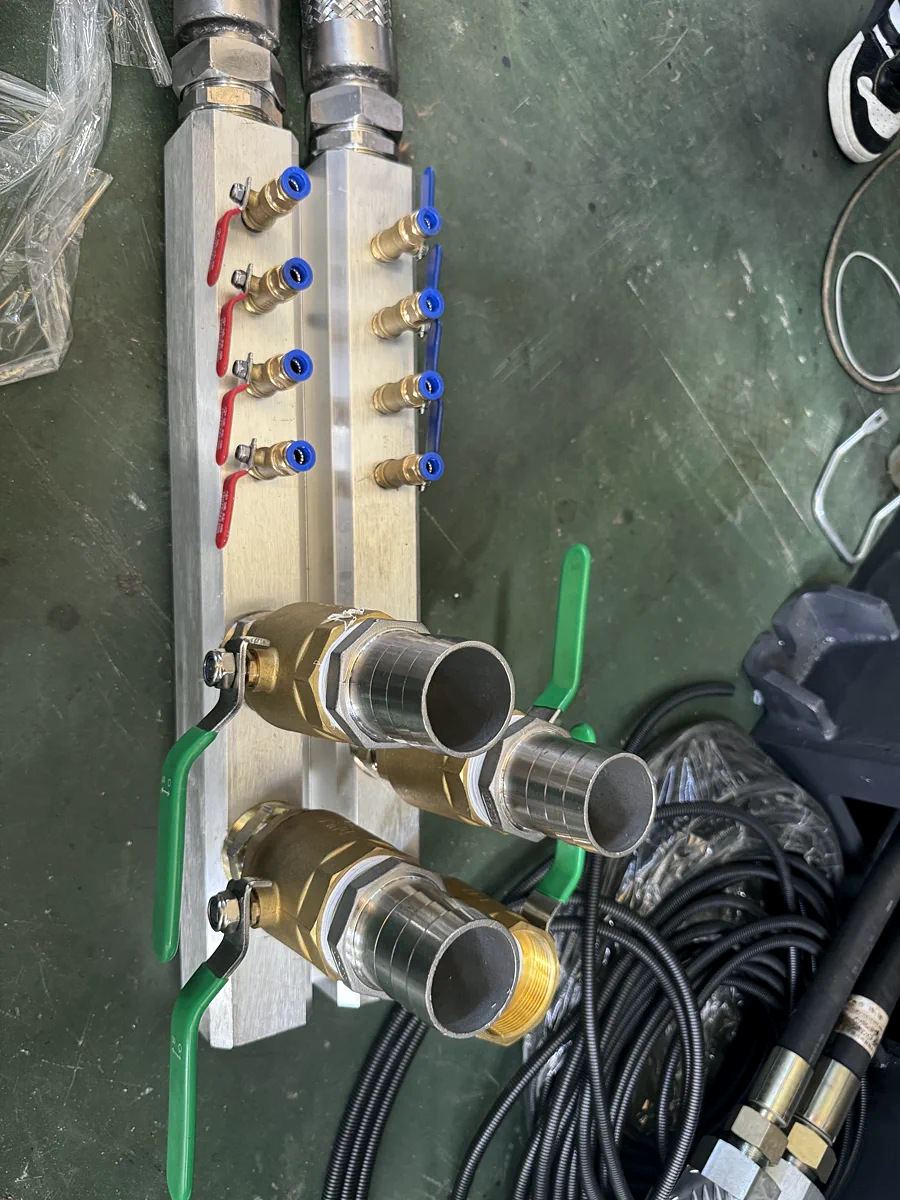
Connection-side detail for checking cable routing and maintenance access.
Project controls
01
The exact model and configuration identify the injection unit, envelope, controls and utilities used for the fit review.
02
Tie-bar space is reviewed together with shot, opening, control, cooling and take-out suitability.
03
Assign connectors, mounting, utilities and signals during the interface review so commissioning starts with the required adapters ready.
Page-specific RFQ
Send the machine technical sheet and the current preform/cavity basis. The review returns a written fit checklist, required adaptations and documented project assumptions.
Buyer questions
Review injection and plasticizing, platen and tie bars, mold-height range, opening movement, controls, power, cooling, actuation, mounting and take-out for the exact mold.
Send the current technical sheet for the exact model and configuration, plus nameplate or interface photographs where useful.
The review also covers total shot, controller zones, voltage, connectors, valve-gate actuation, cooling, take-out and machine signals.
The site focuses on PET preform molds. Machine information is used to match the proposed mold to the buyer's equipment and operating requirements.
Next decision
Core decision
Core decision
Cavity decision
Cavity decision
Application decision
Core decision